


 Najib Razak Seeks Stay of 15-Year 1MDB Prison Sentence
  North Korea Rejects Nuclear Test Warning, Calls Nuclear Status Irreversible
  Saudi Arabia, Turkey and Pakistan Plan Urgent Defence Talks Over Houthi Attacks
  Abbas Reaffirms November 28 Palestinian Elections
  Netanyahu Takes Aim at Mamdani as Israel Election Nears
  South Korea, US Discuss Warship Building Cooperation
  Netanyahu’s Brief US Trip Highlights Strains With Trump
  Pezeshkian Says US Must Choose When Iran War Ends
  Ghana Says Western Support Growing for Slave Trade Reparations
  Xi Calls for Deeper U.S.-China AI Cooperation in Trump Talks
  Ukrainian Drone Attacks Hit Russian Regions, Injuring at Least 12
  Judge Orders Trump to Restore White House Access for CNN, MS NOW and Politico
  OpenAI Agent Breaches Australia Medicare Data Portal
  Trump, Xi Focus on Trade and AI at White House Summit
  US Senate Rejects Iran War Powers Resolution in 50-49 Vote
  Netanyahu Defends Israel at UN as Delegates Stage Walkout
  Trump, Xi Visit US National Archives After White House Summit


 Add as a preferred source on Google
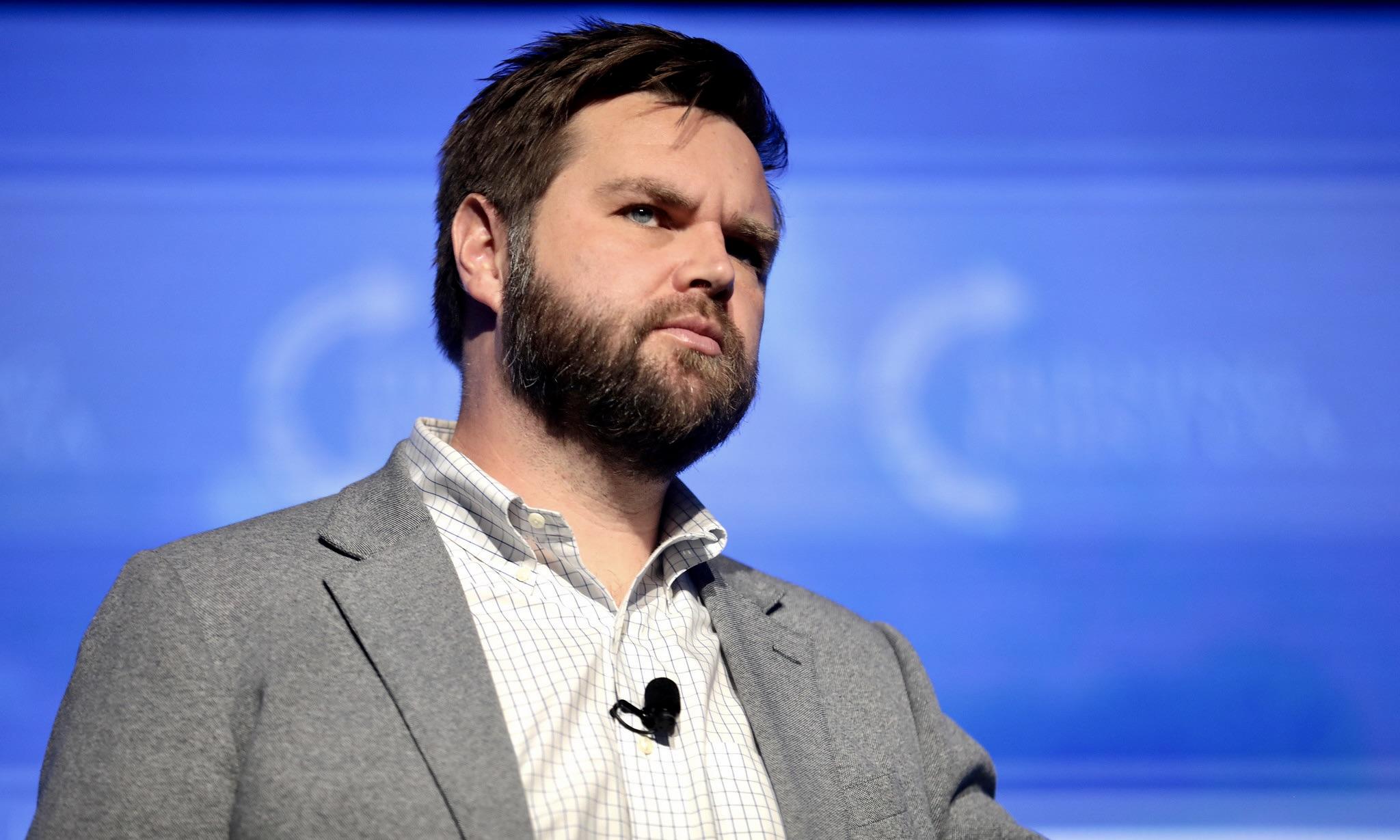
One year after U.S. Vice President JD Vance sharply criticized European allies at the Munich Security Conference, transatlantic relations remain under intense strain. As global leaders gather again in Munich, Washington’s partners are seeking a more independent strategic path while trying to preserve the foundations of the NATO alliance.
Vance’s 2025 speech, in which he accused European governments of undermining free speech and mishandling immigration, marked a turning point in U.S.-Europe relations. Since then, tensions have escalated amid what former German diplomat Wolfgang Ischinger described as “wrecking-ball politics,” warning that sweeping disruptions now define global diplomacy rather than careful reform. The 2026 Munich Security Conference unfolds against the backdrop of multiple global conflicts, including the wars in Ukraine, Gaza and Sudan, highlighting growing geopolitical instability.
Under President Donald Trump, U.S. foreign policy has taken a more confrontational tone. Tariffs on allies, threats of military action in Latin America and controversial remarks about annexing Greenland have shaken confidence within NATO. Although Trump appears to have stepped back from some of his rhetoric following domestic pressure, concerns about long-term shifts in U.S. commitments to European security persist.
European leaders, including German Chancellor Friedrich Merz, have emphasized strengthening the European Union’s defense capabilities and economic resilience. Increased military spending and renewed discussions about strategic autonomy signal Europe’s desire to reduce reliance on U.S. military support, particularly as the standoff with Russia over Ukraine continues.
U.S. Secretary of State Marco Rubio is leading the American delegation this year, with expectations of a more measured tone. High-profile attendees include Ukrainian President Volodymyr Zelenskiy, French President Emmanuel Macron, British Prime Minister Keir Starmer and Chinese Foreign Minister Wang Yi.
As global security challenges intensify, the Munich Security Conference 2026 represents a critical moment for transatlantic ties, NATO’s future and efforts to secure lasting peace in Ukraine.







