


 DNC Makes South Carolina First in 2028 Democratic Primaries
  Meloni Loses Ground Among Young Italian Voters Ahead of 2027 Election
  Putin Visits Disputed Kuril Island, Sparking Strong Protest From Japan
  Trump Orders U.S. Navy to Return to Steam Catapults for Aircraft Carriers
  Trump Imposes New Tariffs on Drone Imports Over US Security Concerns
  US Presses Netanyahu to Condemn West Bank Settler Siege
  Nigel Farage Faces Count Binface in Clacton Election Test
  Taiwan Flags AI-Assisted Cyberattacks Targeting Government Agencies
  Missile Threat Forced Trump to Secretly Switch Air Force One in Turkey
  Israeli Troops Enter Palestinian Homes as Settler Siege Grips West Bank Village
  Albanese Says AUKUS ‘Full Steam Ahead’ After Trump Call
  Iran Eyes New Development Bank Membership as BRICS Pushes Local Currency Trade
  U.S. Pressures Nations to Choose Sides in AI Race
  Canada-US Trade Talks Gain Momentum Ahead of Aug. 19 Tariff Deadline
  Jared Kushner May Visit Israel for Gaza Talks Next Week
  Colombia Earthquake Death Toll Hits 265 as President Announces Emergency Fund


 Add as a preferred source on Google
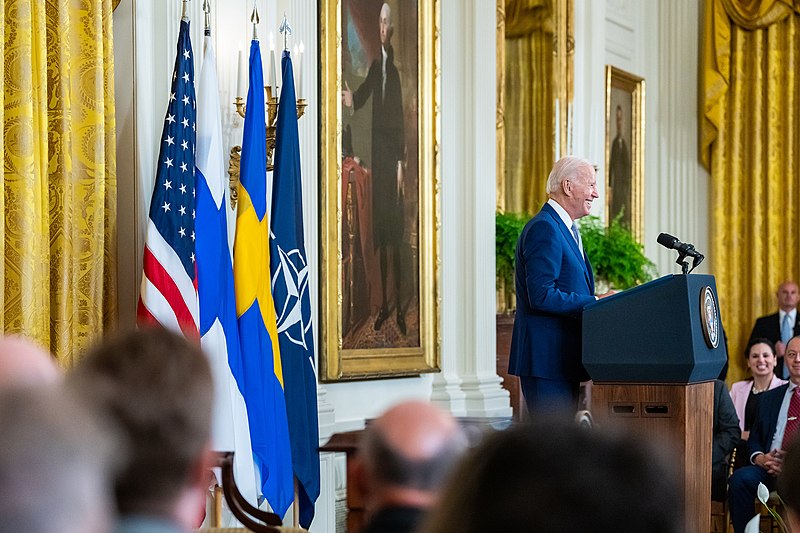
US President Joe Biden announced this week that he ordered the release of 15 million barrels of oil from the country’s strategic reserves. The announcement follows the decision by the Saudi Arabia-led group of oil-producing countries to cut oil production.
Biden said Wednesday that the releasing of 15 million barrels of oil would complete the 180 million barrels his administration approved back in March in the midst of global energy concerns following the war in Ukraine. The White House said the 15 million barrels would be delivered in December.
“With my announcement today, we’re going to continue to stabilize markets and decrease the prices at a time when the actions of other countries have caused such volatility,” Biden told reporters during a news conference.
As of Wednesday, around 400 million barrels of oil remain in the US strategic reserve. The White House said the government would restock the reserve when prices of oil are at or lower than $67 to $72 a barrel and raised the possibility of additional releases during the coming winter months in order to keep prices down.
The US leader reiterated his criticism of oil companies for profiting from the worldwide energy crisis.
“My message to the American energy companies is this: You should not be using your profits to buy back stock or for dividends. Not now, not while a war is raging. You should be using these record-breaking profits to increase production and refining,” said Biden.
Biden and the Democratic Party are looking to quell the issue of high gas prices ahead of the upcoming midterm elections in November. Another such issue is reproductive rights, following the public outrage that resulted from the Supreme Court’s overturning of the landmark Roe v. Wade ruling that legalized abortion all over the country.
The Pentagon announced Thursday that it would provide assistance for service members who are seeking abortions, including covering their travel expenses for those who live in states where the procedure is banned or heavily restricted.
The order also included privacy protections that would shield service members from repercussions of abortion-related decisions and set guidelines so that local commanders are not allowed to influence whether service members get to receive access to care.
Defense secretary Lloyd Austin said the order would be completed before the end of the year.







