


 South Korea, US Discuss Warship Building Cooperation
  European Stocks Fall as Bond Yields and Geopolitical Risks Weigh
  US, China Extend Trade Truce to Jan. 10 Ahead of Trump-Xi Summit
  Japanese Bank Stocks Surge as Bond Yields Fuel Rate Hike Bets
  Wall Street Falls as Treasury Yields Surge, Oil Rebounds on Iran Tensions
  Dollar Holds Near Two-Month High as Yen Approaches 160
  Asian Currencies Mixed as Dollar Holds Near Two-Month High
  Wall Street Ends Flat as Oil, Treasury Yields and Fed Jitters Rattle Markets
  Fed Unveils Stablecoin Rules Under GENIUS Act
  US Stock Futures Fall as Treasury Yields Surge Ahead of Trump-Xi Summit
  Asian Stocks Fall as Surging Bond Yields Rattle Markets
  Oil Prices Ease as Iran Tensions Clash With Diplomacy Hopes
  Japan Private-Sector Growth Slows as Domestic Demand Weakens
  U.S. Treasury Yields Surge as 30-Year Hits 22-Year High
  Gold Prices Fall as Treasury Yields Rise on Fed Rate Hike Bets
  Fed Unveils Stablecoin Rules Under GENIUS Act
  Gold Holds Near $4,275 as Rising Treasury Yields Fuel Fed Rate Hike Bets


 Add as a preferred source on Google
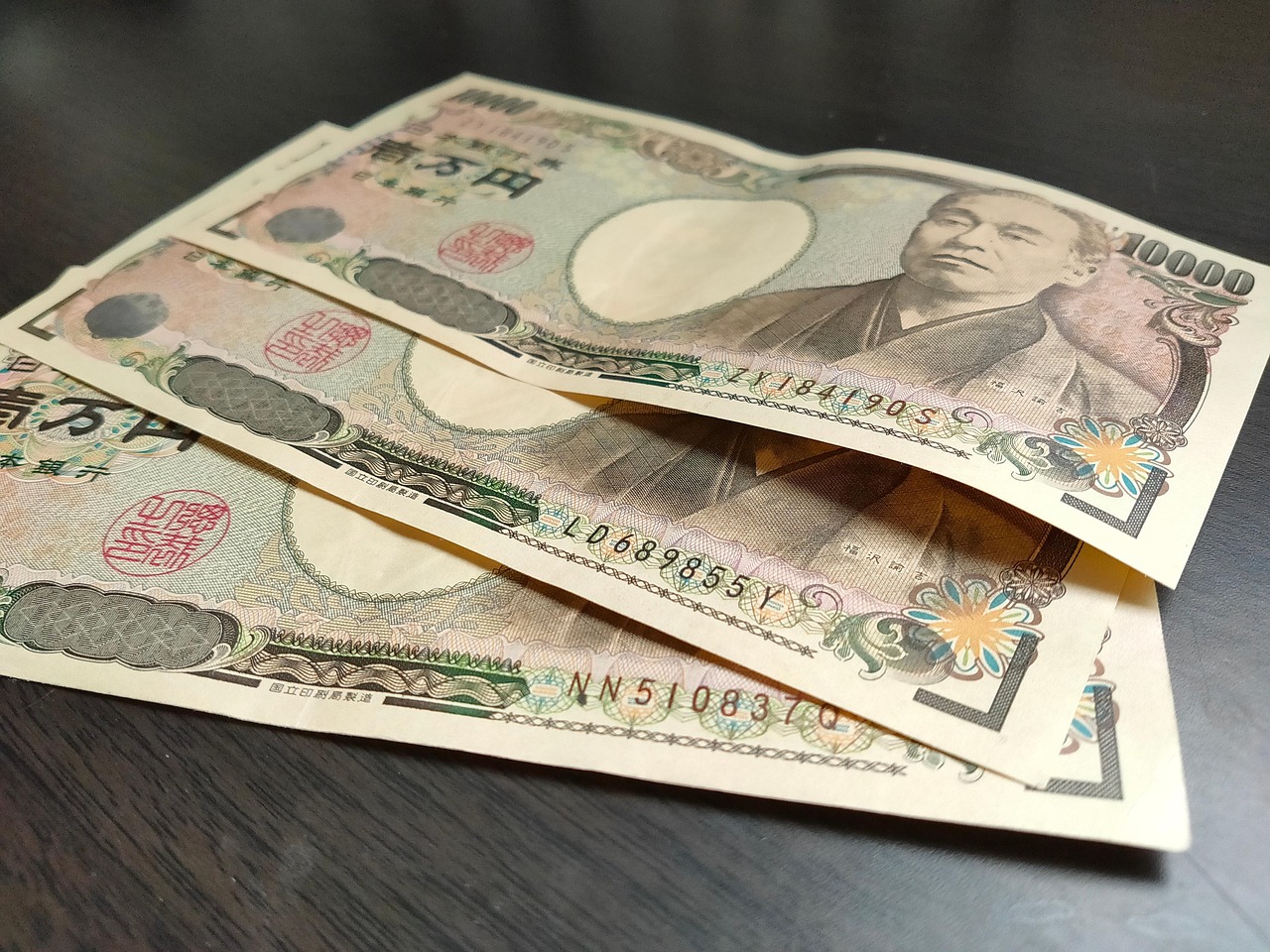
The Japanese yen extended its recent losing streak in early Asian trading on Monday after Prime Minister Sanae Takaichi secured a decisive victory in Sunday’s general election, reinforcing expectations for further fiscal stimulus. Currency markets reacted swiftly, with the yen weakening as investors assessed the implications of a strengthened government mandate and expanded spending outlook.
The yen fell as much as 0.3% to 157.72 per U.S. dollar, marking its seventh consecutive session of decline and touching its weakest level in two weeks. The move reflects growing concern that aggressive fiscal expansion under Takaichi’s leadership could weigh further on Japan’s currency, particularly as interest rate differentials with the United States remain wide.
Takaichi’s Liberal Democratic Party is projected to win up to 328 of the 465 seats in the lower house of parliament. Together with coalition partner Japan Innovation Party (Ishin), the ruling bloc has secured a two-thirds supermajority, giving it the power to override the upper chamber. This outcome significantly reduces political uncertainty and enhances the government’s ability to execute policy quickly.
According to market strategists, much of the downside risk for the yen tied to fiscal expansion had already been priced in before the election. However, attention has now shifted to how the new administration designs, communicates, and implements its fiscal plans, which will be critical in shaping currency market sentiment in the weeks ahead.
Elsewhere in the foreign exchange market, the U.S. dollar index was little changed at 97.683 as traders awaited a heavy slate of U.S. economic data, including retail sales, inflation figures, and a delayed jobs report. Expectations for Federal Reserve policy easing have edged higher, with Fed funds futures pricing a near 20% chance of a 25-basis-point rate cut at the March meeting.
The British pound slipped to $1.3598 amid political uncertainty following the resignation of Prime Minister Keir Starmer’s chief of staff. The U.S. dollar was flat against the offshore Chinese yuan at 6.93, while the Australian and New Zealand dollars posted modest gains. The euro traded sideways at $1.1819.
In digital assets, Bitcoin eased to around $70,224, while ether slipped to roughly $2,087, reflecting a cautious tone across broader financial markets.







