


 Haftar Helps Broker Release of American Hostage Held by ISIS Affiliate
  Jared Kushner May Visit Israel for Gaza Talks Next Week
  Trump Orders Major Overhaul of US Navy Shipbuilding
  Nigel Farage Faces Count Binface in Clacton Election Test
  U.S. Pressures Nations to Choose Sides in AI Race
  Morocco Arrests 111 in New Ceuta Migrant Crossing Attempt
  Missile Threat Forced Trump to Secretly Switch Air Force One in Turkey
  Strait of Hormuz Shipping Near Standstill After New Vessel Attacks
  Canada-US Trade Talks Gain Momentum Ahead of Aug. 19 Tariff Deadline
  North Korea Slams US-South Korea Drills, Vows Stronger Nuclear Deterrence
  US Admiral Visits USS Abraham Lincoln as Carrier Prepares to End Deployment
  Israel Warned US of Alleged Iran Plot to Assassinate Trump
  Putin Visits Japan-Claimed Iturup Island, Drawing Strong Protest From Tokyo
  US Presses Netanyahu to Condemn West Bank Settler Siege
  Iran Eyes New Development Bank Membership as BRICS Pushes Local Currency Trade
  Israeli Troops Enter Qusra Homes as West Bank Settler Siege Continues
  Trump Imposes New Tariffs on Drone Imports Over US Security Concerns


 Add as a preferred source on Google
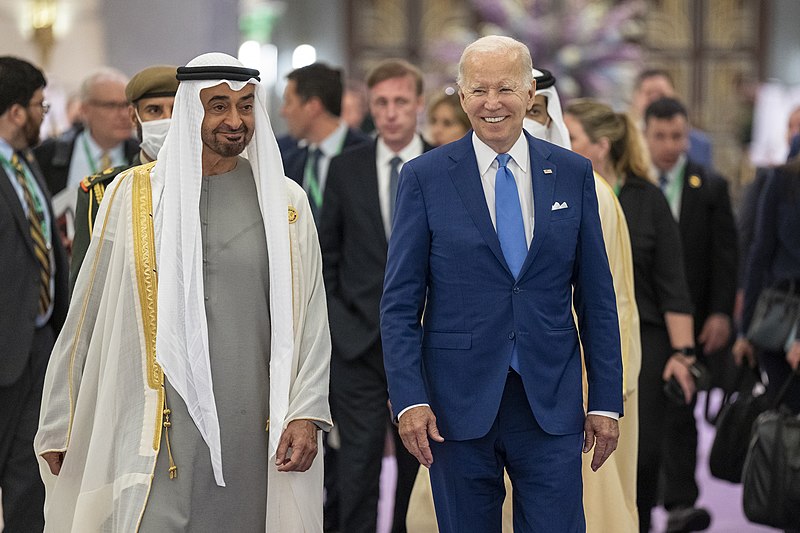
A senior United States official said President Joe Biden does not have plans to meet with Saudi Arabia’s de facto ruler, Crown Prince Mohammed bin Salman in the upcoming G20 Summit in Indonesia. The absence of a meeting with the crown prince follows the recent OPEC+ decision to cut oil production.
White House National Security Adviser Jake Sullivan said Sunday that Biden would act “methodically” in responding to Saudi Arabia over the plans to cut oil production by two million barrels per day. Among the options Washington has is to make changes to US security assistance, but Sullivan told CNN that no changes to the US-Saudi Arabia relationship are imminent as the US leader re-evaluates relations.
“The president isn’t going to act precipitously,” said Sullivan. “He is going to act methodically, strategically, and he’s going to take his time to consult with members of both parties and also have an opportunity for Congress to return so that he can sit with them in person and work through the options.”
Biden previously warned Saudi Arabia that there would be consequences to the decision to cut two million barrels of oil per day, a decision by OPEC+ that was in favor of Russia. The move by the Saudi-led group of oil-producing countries undermines the West’s plans to impose a price cap on Russian oil in response to the war in Ukraine. The move to cut oil production would also cause oil prices to rise.
Washington said Gulf leaders were aligned with Russia at the expense of their Western allies. Russia lauded OPEC+’s decision.
In response, the kingdom rejected the accusations by Washington, saying that the decision by OPEC+ was not politically motivated in nature.
“Saudi Arabia has viewed the statements…which have described the decision as the kingdom taking sides in international conflicts and that it was politically motivated against the United States,” said the Saudi foreign ministry in a statement Thursday last week.
The kingdom maintained that the decision by OPEC+ was genuinely “made on economic considerations,” and the economic advice was to resist calls to delay production cuts.
The Saudi government clarified through its consultation with the Biden administration that all economic assessments showed that postponing the decision to cut oil production by a month would lead to negative consequences, said the ministry.







