


 Chinese Universities with PLA Ties Found Purchasing Restricted U.S. AI Chips Through Super Micro Servers
  Nomura Upgrades PDD Holdings to Buy, Calls Stock Too Cheap to Ignore
  CTOC Adds 3,000 Doctors, 500 Hospitals Ahead of Liquidity Push
  RBC Capital: European Medtech Firms Show Minimal Middle East and Energy Risk Exposure
  Norma Group Posts Revenue Decline in 2025, Eyes Modest Recovery in 2026
  Bank of America's $72.5M Epstein Settlement: What You Need to Know
  Luxury Car Sales in the Middle East Take a Hit Amid Iran War
  Novartis to Acquire Biotech Firm Excellergy in $2 Billion Deal
  BlackRock CEO Larry Fink Earns $37.7 Million in 2025 Amid Record Growth
  SMIC Allegedly Supplies Chipmaking Tools to Iran's Military, U.S. Officials Warn
  SoftwareONE Posts 22.5% Revenue Surge in 2025 on Crayon Acquisition
  Cathay Pacific Holds Firm on Flight Capacity Amid Middle East Conflict and Rising Fuel Costs
  Brazil Meat Exports Weather Iran War Disruptions With Rerouted Shipments
  Apple Turns 50: From Garage Startup to AI Crossroads
  KPMG UK Cuts 440 Audit Jobs Amid Low Attrition and Cooling Professional Services Demand
  Star Entertainment Secures $390M Refinancing Deal to Stabilize Operations
  Cybersecurity Stocks Tumble After Anthropic's Claude Mythos AI Leak Sparks Market Fears


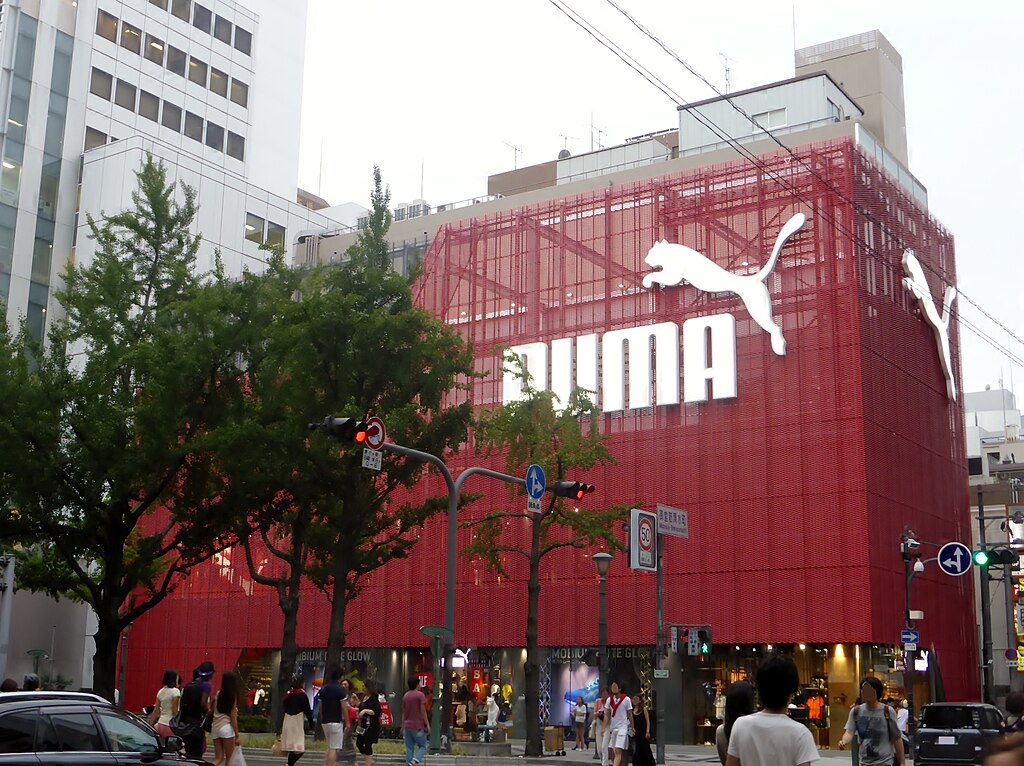
China’s leading sportswear company Anta Sports is accelerating its global ambitions through acquisitions, highlighted by its recent $1.8 billion purchase of a 29% stake in Germany’s Puma. The deal underscores Anta’s long-term strategy to build a diversified, international sportswear portfolio that spans multiple price points, categories, and regions.
Founded in Fujian province, Anta is known domestically for offering reliable, value-driven sports apparel priced significantly lower than competitors like Nike. Over the past decade, the company has transformed from a mass-market Chinese brand into a global sportswear conglomerate. By 2025, Anta commanded around 23% of China’s sportswear market, overtaking both Nike and Adidas, and reached a market valuation of approximately $28 billion, ranking it among the world’s top three sportswear companies.
Chairman and founder Ding Shizong has consistently emphasized that his goal is not to create “the Nike of China,” but rather “the Anta of the world.” That vision has been driven by a steady acquisition strategy. Anta’s brand portfolio now includes Fila in China and parts of Southeast Asia, premium outdoor labels such as Descente, Kolon Sport, and Jack Wolfskin, women’s activewear brand MAIA Active, and global sports equipment names under Amer Sports.
Anta’s 2018 acquisition of Amer Sports for $6.29 billion proved pivotal. Brands like Arc’teryx, Salomon, and Wilson have since experienced rapid growth, particularly in China, supported by Anta’s expertise in local retail expansion and direct-to-consumer strategies. Arc’teryx alone operates more than 70 stores in Greater China, contributing to annual regional growth exceeding 40%.
The Puma investment fills a strategic gap in Anta’s portfolio by adding a globally recognized, mass-market brand with strong presence in Europe and the United States. Puma currently generates only a small portion of its revenue from China, a market analysts believe has been underdeveloped. With Anta’s operational playbook, Puma is expected to benefit from increased investment, improved retail experiences, and stronger brand positioning in China.
As Anta’s domestic market approaches saturation, the company is expanding aggressively overseas, particularly in Southeast Asia and the United States. While Anta’s own brand faces challenges gaining Western recognition, partnerships like Puma provide a faster route to global scale, reinforcing Anta’s ambition to become the world’s largest sportswear group.







