


 Haftar Helps Broker Release of American Hostage Held by ISIS Affiliate
  Taiwan Flags AI-Assisted Cyberattacks Targeting Government Agencies
  DNC Makes South Carolina First in 2028 Democratic Primaries
  Israeli Troops Enter Palestinian Homes as Settler Siege Grips West Bank Village
  Missile Threat Forced Trump to Secretly Switch Air Force One in Turkey
  AMLO’s Son Says U.S. Revoked His Visa
  Israeli Troops Enter Qusra Homes as West Bank Settler Siege Continues
  Iran Eyes New Development Bank Membership as BRICS Pushes Local Currency Trade
  North Korea Slams US-South Korea Drills, Vows Stronger Nuclear Deterrence
  US Admiral Visits USS Abraham Lincoln as Carrier Prepares to End Deployment
  Israel Warned US of Alleged Iran Plot to Assassinate Trump
  Jared Kushner May Visit Israel for Gaza Talks Next Week
  US Presses Netanyahu to Condemn West Bank Settler Siege
  US Pressures Netanyahu to Condemn West Bank Settler Violence
  Trump Orders U.S. Navy to Return to Steam Catapults for Aircraft Carriers
  Meloni Loses Ground Among Young Italian Voters Ahead of 2027 Election
  Trump Imposes New US Tariffs on Drone Imports Over National Security Concerns


 Add as a preferred source on Google
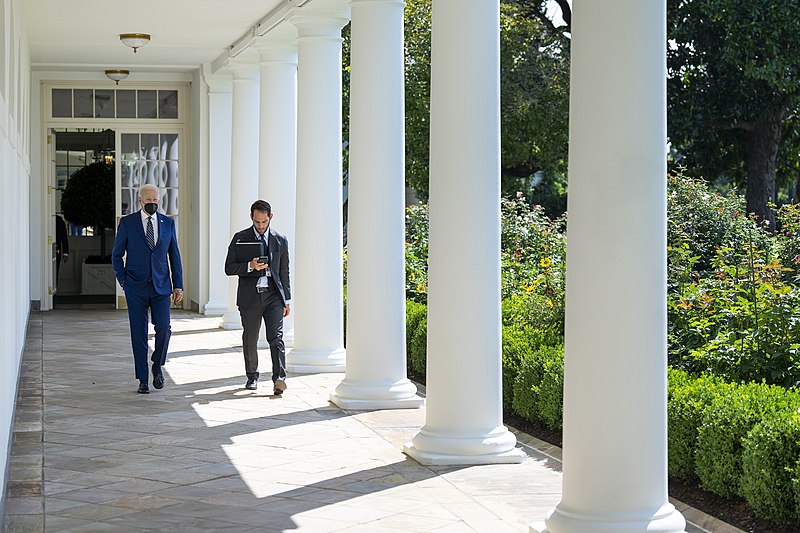
US President Joe Biden has pledged to take action following the announcement by the Saudi Arabia -led OPEC+ and Russia to cut oil production despite Washington’s objections to such a move. This follows the call by a Senator to freeze all cooperation with the kingdom.
In an interview on CNN, Biden was pressed on the issue that the OPEC group would cut oil production by two million barrels a day, ignoring the pressure from Washington. The US leader said that there would be repercussions for the move by the group of oil-producing countries but did not disclose what the consequences would be.
“There’s going to be some consequences for what they’ve done with Russia,” said Biden. “I’m not going to get into what I’d consider and what I have in mind. But there will be, there will be consequences.”
Saudi Arabia said the decision to cut oil production by two million barrels per day was to stabilize the oil market instead of raising oil prices in the midst of interest hikes by central banks and the possibility of a global recession.
However, those who have criticized the move said it would only drive prices up and generate more revenue for Russia to continue funding its war on Ukraine amid sanctions on Moscow by the West.
The move was also seen by some as a diplomatic blow to Biden and his administration as the United States gears up for its midterm elections in November.
Saudi Arabia’s foreign minister Prince Faisal bin Farhan defended the move Tuesday, saying that it was genuinely out of economic reasons and was unanimously agreed upon by the countries that are part of OPEC+.
The oil production cuts have led the Biden administration to review US-Saudi Arabia relations especially as lawmakers have grown to be more critical of the kingdom after the announcement. US State Department spokesperson Ned Price said Tuesday that Washington is reviewing US-Saudi relations in consultation with lawmakers and allies abroad.
Price added that Biden previously talked about the need to “recalibrate” relations with Saudi Arabia to better serve the US.
“Our guiding principle will be to see to it that we have a relationship that serves our interests. This is not a bilateral relationship that has always served our interests,” said Price.







