


 Honduras Court Drops Charges Against Ex-President Juan Orlando Hernandez
  US Backs Musk in Fight Against EU’s €120 Million X Fine
  North Korea Warns South Korea Over US-Led Defense Role
  Najib Razak Seeks Stay of 15-Year 1MDB Prison Sentence
  Netanyahu’s Brief US Trip Highlights Strains With Trump
  SEC Seeks ISS Client Voting Records in Proxy Adviser Probe
  Trump Asks Supreme Court to Restore Third-Country Deportations
  France Defends Netanyahu Airspace Clearance Despite ICC Warrant
  LVMH-Hermès Dispute Deepens Over Secret 2002 Share Deal
  Nvidia-Groq AI Chip Deal Faces U.S. Antitrust Probe
  Trump, Xi Visit US National Archives After White House Summit
  CNN, MS NOW and Politico Sue Trump Over White House Media Ban
  DOJ Will Investigate AI-Related Crimes, Attorney General Blanche Says
  Trump’s Arlington Arch Project Faces New Court Restrictions
  Ecuador Court Convicts Ex-President Lenin Moreno in Bribery Case
  Russian Missile and Drone Attack on Kyiv Kills Two, Damages Maternity Hospital
  US Senate Rejects Iran War Powers Resolution in 50-49 Vote


 Add as a preferred source on Google
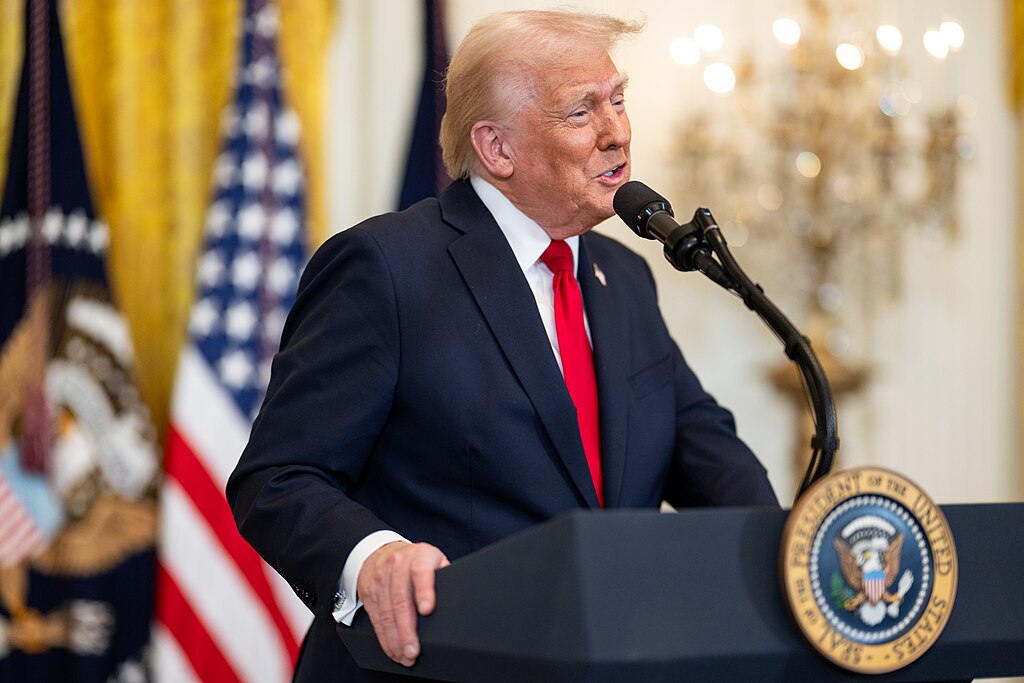
A U.S. appeals court has ruled that President Donald Trump had the authority to dismiss Democratic members of two major federal labor boards, marking a significant win for efforts to expand presidential control over traditionally independent agencies. In a 2-1 decision, the U.S. Court of Appeals for the District of Columbia Circuit found that federal laws shielding members of the National Labor Relations Board (NLRB) and the Merit Systems Protection Board (MSPB) from removal except for cause were unconstitutional.
Judge Gregory Katsas, joined by Judge Justin Walker—both Trump appointees—wrote that because these boards wield “substantial executive power,” they must remain accountable to the president. Judge Florence Pan dissented, arguing that Congress intentionally created independent agencies to keep politics out of critical oversight functions, warning that the ruling could undermine the legality of many similar agencies.
The decision reverses earlier district court rulings that reinstated Cathy Harris to the MSPB and Gwynne Wilcox to the NLRB, both of whom Trump removed without the legally required cause. The Supreme Court had previously paused those rulings and is set to hear a related case involving the president’s power to fire a Federal Trade Commission member—an outcome that could influence future limits on executive authority.
The White House welcomed the appeals court’s decision, calling it a major victory for presidential oversight. Critics, however, warn that dismantling protections for board members could give the president unprecedented control over federal regulation in areas such as labor, trade, antitrust, and consumer safety.
The removal of Harris and Wilcox temporarily stalled both labor boards, already strained by vacancies, but the Senate recently confirmed a Trump nominee to restore the MSPB’s quorum. Additional NLRB nominees are awaiting approval. Legal analysts continue to monitor the rapidly evolving situation, noting its potentially far-reaching implications for the structure and independence of the federal bureaucracy.







