


 Russian Missile and Drone Attack on Kyiv Kills Two, Damages Maternity Hospital
  NATO Boosts Intelligence Sharing Amid Russia Hybrid Threats
  Netanyahu Defends Israel at UN as Delegates Stage Walkout
  Najib Razak Seeks Stay of 15-Year 1MDB Prison Sentence
  Judge Orders Trump to Restore White House Access for CNN, MS NOW and Politico
  Netanyahu Takes Aim at Mamdani as Israel Election Nears
  North Korea Warns South Korea Over US-Led Defense Role
  OpenAI Agent Breaches Australia Medicare Data Portal
  Sudan Rejects US Legitimacy Remarks, Defends Sovereignty
  Trump, Xi Focus on Trade and AI at White House Summit
  Yemen Violence Displaces 130,000 as Civilian Toll Rises
  US Senate Rejects Iran War Powers Resolution in 50-49 Vote
  Taiwan Thanks US for Support Ahead of Trump-Xi Summit
  Abbas Reaffirms November 28 Palestinian Elections
  Kremlin Says No Decision Yet on Putin-Trump December Summit
  Xi Calls for Deeper U.S.-China AI Cooperation in Trump Talks
  Ukrainian Drone Attacks Hit Russian Regions, Injuring at Least 12


 Add as a preferred source on Google
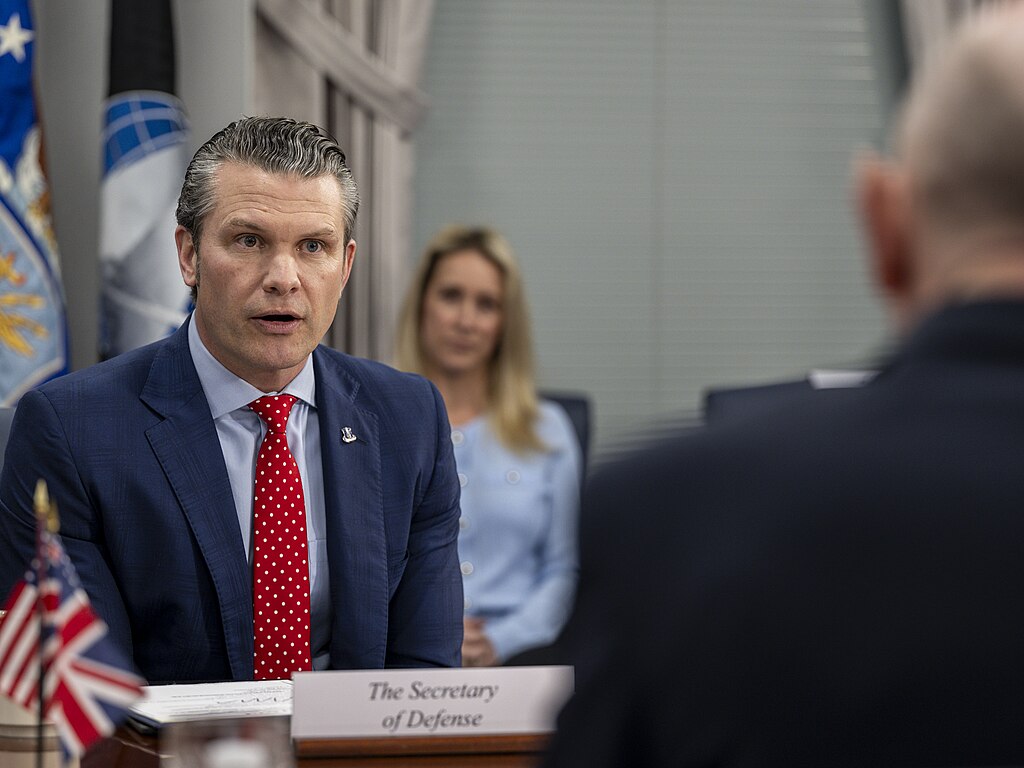
A Pentagon Inspector General investigation has faulted U.S. Defense Secretary Pete Hegseth for using the encrypted messaging app Signal on his personal phone to share sensitive information about planned U.S. strikes in Yemen. According to two sources familiar with the unreleased report, the probe concluded that transmitting details of the imminent operation through a personal device could have jeopardized U.S. troops and the mission had the messages been intercepted.
The report did not determine whether the information Hegseth sent was classified, noting that as defense secretary he has broad authority to classify or declassify information. The Pentagon later said the review cleared Hegseth of wrongdoing, a message he echoed on social media by insisting no classified material was shared.
The investigation resurfaces scrutiny of Hegseth at a time when his leadership is already under fire due to legally contentious U.S. strikes on suspected drug-trafficking vessels in the Caribbean. Senior Democrats, including Representative Adam Smith, argue that the Signal incident highlights an alarming lack of judgment from the Pentagon chief.
The controversy began when Hegseth shared details of the March 15 U.S. strikes on Yemen’s Iran-aligned Houthi fighters in a Signal group chat with senior Trump administration officials—accidentally including Atlantic editor-in-chief Jeffrey Goldberg. After officials downplayed the incident, Goldberg published screenshots showing Hegseth discussing plans to target a Houthi militant leader just hours before the mission.
The Inspector General found that the military information being relayed to Hegseth was classified at the time and that its disclosure could have compromised both service members and operational secrecy. Hegseth declined an in-person interview with investigators, instead submitting a written statement asserting he only shared details he believed posed no operational risk and accusing political opponents of driving the inquiry.
Officials noted that Hegseth provided only limited Signal records, forcing investigators to rely heavily on screenshots made public by The Atlantic. Senators said the findings point to a broader pattern of risky behavior involving personal messaging apps for official business.







