


 Pezeshkian Says US Must Choose When Iran War Ends
  Trump, Xi Visit US National Archives After White House Summit
  Russian Missile and Drone Attack on Kyiv Kills Two, Damages Maternity Hospital
  Trump Asks Supreme Court to Restore Third-Country Deportations
  Ukrainian Drone Attacks Hit Russian Regions, Injuring at Least 12
  North Korea Warns South Korea Over US-Led Defense Role
  Taiwan Thanks US for Support Ahead of Trump-Xi Summit
  EU Defence Build-Up Too Slow for 2030 Russia Readiness Goal
  What ‘Taiwan Independence’ Means as Xi Presses Trump on US Policy
  Yemen Violence Displaces 130,000 as Civilian Toll Rises
  US Senate Rejects Iran War Powers Resolution in 50-49 Vote
  South Korea, US Discuss Warship Building Cooperation
  Ghana Says Western Support Growing for Slave Trade Reparations
  Netanyahu Defends Israel at UN as Delegates Stage Walkout
  Mexico-US Trade Talks Delayed to October as Tariff Negotiations Continue
  Kremlin Says No Decision Yet on Putin-Trump December Summit
  Abbas Reaffirms November 28 Palestinian Elections


 Add as a preferred source on Google
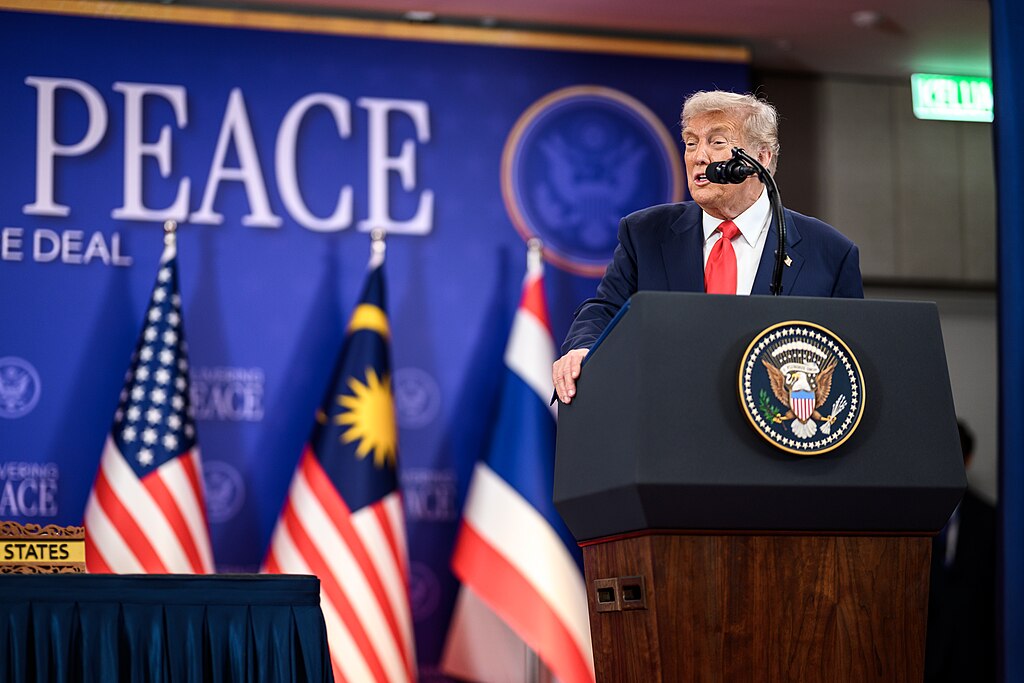
Fighting intensified across eastern Democratic Republic of Congo on Friday, just a day after U.S. President Donald Trump met with Congolese President Felix Tshisekedi and Rwandan President Paul Kagame in Washington. The leaders reaffirmed commitments to a U.S.-brokered agreement aimed at stabilizing the mineral-rich region and encouraging Western investment. Trump framed the deal as a major step toward ending decades of violence, emphasizing his administration’s role in mediating global conflicts.
Despite diplomatic efforts, clashes on the ground continued. The Rwandan-backed AFC/M23 rebel group—responsible for seizing major cities in eastern Congo earlier this year and not party to the Washington agreement—accused government forces of launching widespread attacks. The group claimed that shelling from Burundi struck villages in North and South Kivu for more than three days, killing civilians and damaging homes, schools, and health centers. Burundi, a Congolese ally, was also accused of coordinating drone and artillery strikes, though officials were unavailable for comment.
Congo’s military rejected allegations of targeting civilians, instead accusing Rwanda and M23 fighters of violating ceasefire commitments. The army reported neutralizing a drone that allegedly entered Congolese airspace from Rwanda. Conflicting reports emerged on casualties, with M23 claiming 23 deaths and the Congolese army reporting 11 civilian fatalities.
Analysts say U.S. diplomacy temporarily slowed escalation but failed to address core grievances between Congo and Rwanda, leading to continued displacement and humanitarian strain. Videos shared online showed families fleeing near Luvungi, although Reuters could not verify them.
Local officials reported ongoing clashes in South Kivu, with civilians caught in bombardments and forced to flee. The U.N. warned that intensified fighting since December 2 has left many wounded civilians unable to access medical care due to blocked roads. UNICEF expressed alarm after attacks on schools reportedly killed at least seven children, noting that 2025 has brought the worst violence the region has seen in years.







