


 Trump, Xi Focus on Trade and AI at White House Summit
  Pezeshkian Says US Must Choose When Iran War Ends
  Russian Missile and Drone Attack on Kyiv Kills Two, Damages Maternity Hospital
  ICE Agent Arrested in Minneapolis Over Venezuelan Man Shooting
  Ghana Says Western Support Growing for Slave Trade Reparations
  Paramount Skydance Faces $30 Million Film Penalty in Warner Bros. Deal
  DOJ Will Investigate AI-Related Crimes, Attorney General Blanche Says
  Judge Orders Trump to Restore White House Access for CNN, MS NOW and Politico
  Brazil Court Suspends Sigma Lithium Mine Operations
  Sara Duterte Posts Bail Over Grave Threats Case
  France Defends Netanyahu Airspace Clearance Despite ICC Warrant
  Netanyahu’s Brief US Trip Highlights Strains With Trump
  Trump Administration Prepares Sanctions Against Entire ICC
  Netanyahu Takes Aim at Mamdani as Israel Election Nears
  Najib Razak Seeks Stay of 15-Year 1MDB Prison Sentence
  US Court Approves airBaltic Chapter 11 Restructuring
  Taiwan Thanks US for Support Ahead of Trump-Xi Summit


 Add as a preferred source on Google
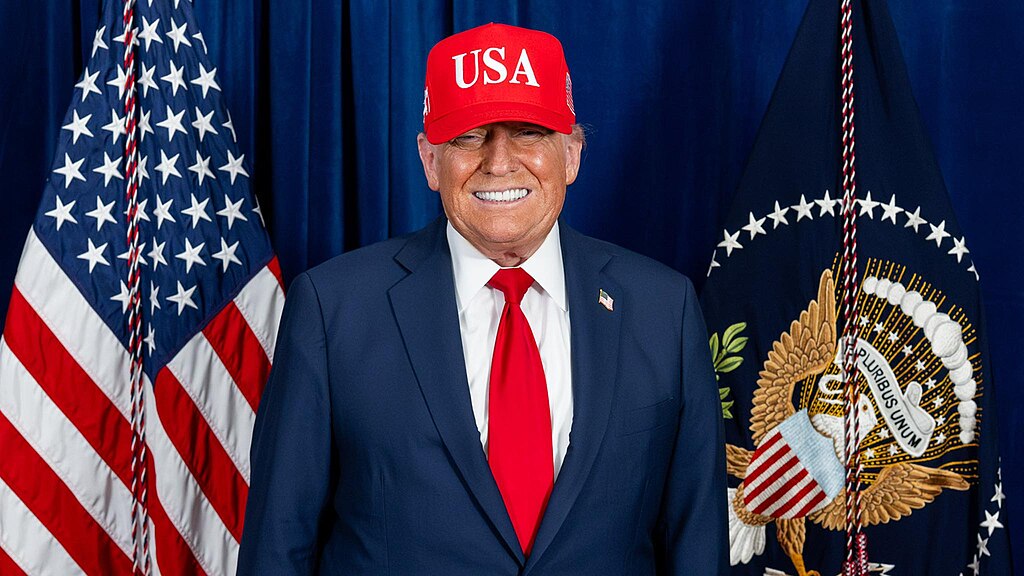
The U.S. Supreme Court has agreed to examine the legality of President Donald Trump’s directive aimed at restricting birthright citizenship, a move that could redefine a long-standing interpretation of the 14th Amendment. The decision to hear the case follows a Justice Department appeal challenging a lower court ruling that blocked Trump’s order, which instructed federal agencies not to recognize citizenship for children born in the United States unless at least one parent is a U.S. citizen or lawful permanent resident.
The lower court concluded that the directive violated both the 14th Amendment and federal law, prompting a class-action lawsuit from affected families. The Supreme Court is expected to hear arguments this term, with a ruling anticipated by June. The executive order, signed on Trump’s first day of his second term, reflects his continued efforts to tighten both legal and illegal immigration—policies that have repeatedly sparked national debate and accusations of discrimination.
For more than a century, the 14th Amendment has been widely interpreted to guarantee citizenship to nearly all babies born on U.S. soil. However, the Trump administration contends that this protection should not extend to children of undocumented immigrants or individuals in the country temporarily, such as students or workers on visas. Supporters of the policy argue it addresses issues like illegal immigration and so-called “birth tourism,” while critics maintain that no president has the authority to alter constitutional guarantees.
Challengers emphasize that the Supreme Court settled the matter in the 1898 Wong Kim Ark case, affirming that children born in the U.S. to non-citizen parents are citizens. They also cite federal laws that codify this longstanding interpretation. The Supreme Court’s decision to take up the case before lower appeals courts weighed in underscores its national importance.
This ruling could significantly impact immigration law, federal authority, and the future of birthright citizenship in America.







