


 NATO Boosts Intelligence Sharing Amid Russia Hybrid Threats
  Xi Calls for Deeper U.S.-China AI Cooperation in Trump Talks
  North Korea Warns South Korea Over US-Led Defense Role
  Trump, Xi Visit US National Archives After White House Summit
  France Defends Netanyahu Airspace Clearance Despite ICC Warrant
  Sudan Rejects US Legitimacy Remarks, Defends Sovereignty
  Mexico-US Trade Talks Delayed to October as Tariff Negotiations Continue
  Kremlin Says No Decision Yet on Putin-Trump December Summit
  Ukrainian Drone Attacks Hit Russian Regions, Injuring at Least 12
  Abbas Reaffirms November 28 Palestinian Elections
  Trump Asks Supreme Court to Restore Third-Country Deportations
  Judge Orders Trump to Restore White House Access for CNN, MS NOW and Politico
  Taiwan Thanks US for Support Ahead of Trump-Xi Summit
  North Korea Rejects Nuclear Test Warning, Calls Nuclear Status Irreversible
  Trump, Xi Focus on Trade and AI at White House Summit
  US Backs Musk in Fight Against EU’s €120 Million X Fine
  Netanyahu Defends Israel at UN as Delegates Stage Walkout


 Add as a preferred source on Google
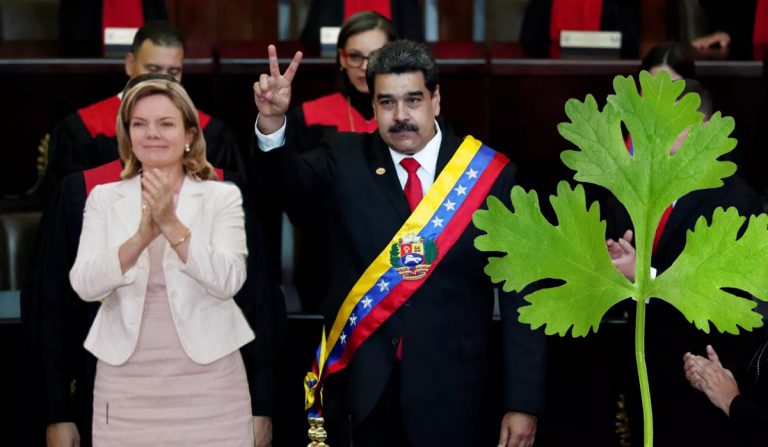
U.S. pressure on Venezuela has triggered discreet outreach from figures inside the Cuban government, according to two sources familiar with the sensitive communications. The individuals, who requested anonymity, said that “elements within the Cuban regime” recently contacted U.S. officials to discuss what the region might look like without Venezuelan President Nicolás Maduro in power. They declined to identify who initiated the contact or provide further details but confirmed that conversations have taken place.
The revelation comes despite Cuba’s public condemnation of Washington’s posture toward Venezuela. On November 25, Havana issued a forceful statement accusing the United States of pursuing a violent overthrow of Maduro’s government. Cuban Foreign Minister Bruno Rodríguez warned that growing U.S. military activity in the region—including the deployment of the Gerald Ford aircraft carrier strike group, additional warships, a nuclear submarine, and F-35 fighter jets—represented an “exaggerated and aggressive” threat. He argued that removing Maduro by force would violate international law and the U.N. Charter, calling such action “dangerous and irresponsible.”
Meanwhile, Reuters previously reported that Maduro held a confidential call with President Donald Trump, during which the Venezuelan leader allegedly expressed willingness to step down if granted full legal amnesty. According to sources, Maduro sought guarantees such as the lifting of U.S. sanctions and the dismissal of a high-profile case before the International Criminal Court.
This conversation occurred against a backdrop of mounting U.S. pressure, which has included targeting alleged drug-smuggling operations, labeling the Cartel de los Soles as a foreign terrorist organization, and repeatedly signaling possible military action. As geopolitical tensions escalate, both the quiet overtures from Cuban officials and Maduro’s reported conditions for departure highlight growing uncertainty over Venezuela’s political future and the shifting dynamics shaping Latin America’s stability.







