


 Putin Visits Disputed Kuril Island, Sparking Strong Protest From Japan
  Morocco Arrests 111 in New Ceuta Migrant Crossing Attempt
  Missile Threat Forced Trump to Secretly Switch Air Force One in Turkey
  Albanese Says AUKUS ‘Full Steam Ahead’ After Trump Call
  DNC Makes South Carolina First in 2028 Democratic Primaries
  Jared Kushner May Visit Israel for Gaza Talks Next Week
  US, Colombia Weigh Joint Strikes on Armed Groups in Expanded Anti-Drug Campaign
  Haftar Helps Broker Release of American Hostage Held by ISIS Affiliate
  US Presses Netanyahu to Condemn West Bank Settler Siege
  Israeli Troops Enter Qusra Homes as West Bank Settler Siege Continues
  Colombia Earthquake Death Toll Hits 265 as President Announces Emergency Fund
  U.S. Pressures Nations to Choose Sides in AI Race
  Trump Orders Major Overhaul of US Navy Shipbuilding
  Trump Imposes New Tariffs on Drone Imports Over US Security Concerns
  Trump Imposes New US Tariffs on Drone Imports Over National Security Concerns
  US Pressures Netanyahu to Condemn West Bank Settler Violence
  Strait of Hormuz Shipping Near Standstill After New Vessel Attacks


 Add as a preferred source on Google
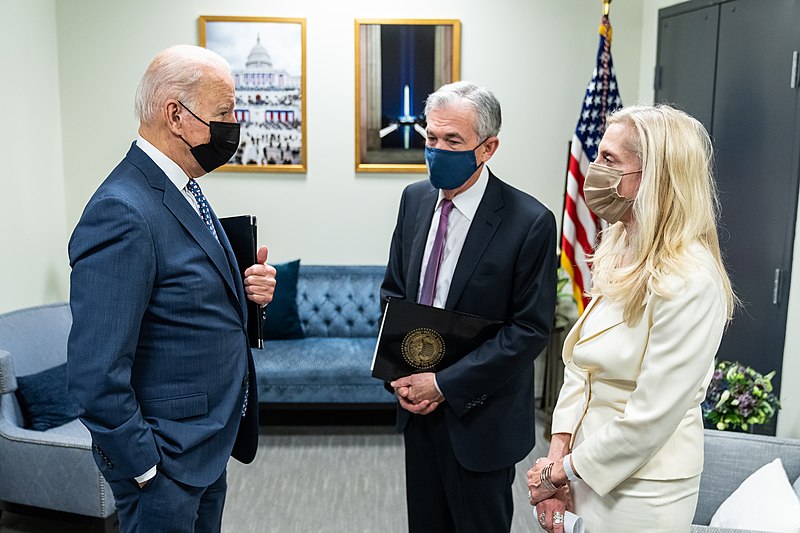
Progressives are citing comments by the US Federal Reserve’s Vice Chair, Lael Brainard, regarding a factor that is fueling inflation in the country. Brainard acknowledged that corporate price hikes have contributed to inflation while also saying that monetary tightening was the way to counter the issue.
Speaking at the meeting of the National Association for Business Economics in Chicago, Brainard mainly attributed inflation as being driven by the COVID-19 pandemic as well as the ongoing war in Ukraine. However, Brainard also cited that “there is ample room for margin recompression to help reduce goods inflation” in the retail economy.
While suggesting that corporate profiteering has played a role in driving inflation, Brainard said monetary tightening was the best way to counter the issue.
“It will take time for the cumulative effect of tighter monetary policy to work through the economy broadly and to bring inflation down,” said Brainard.
“In light of elevated global economic and financial uncertainty, moving forward deliberately and in a data-dependent manner will enable us to learn how economic activity, employment, and inflation are adjusting to cumulative tightening in order to inform our assessments of the path of policy rate.”
The Progressive podcast Pitchfork Economics warned that if the Federal Reserve continues to move forward with “outdated, harmful solutions,” then the country would be forced into a longer and deeper recession with far-reaching consequences.
The members of the Federal Reserve’s Board of Governors are expected to raise interest rates by 0.75 percent for the fourth time when they meet in November.
Inflation is expected to be a key issue in the upcoming midterm elections this year, which would determine which party controls one or both chambers of Congress.
Meanwhile, banks in the United States are donating less money to federal candidates for the upcoming midterm elections in November and increasing the proportion being given to Democrats as they rethink their political contributions, according to an analysis of data by Reuters.
The data, compiled by the Center for Responsive Politics along with over half a dozen lobbyists and industry officials, showed that the political action committees of banks have given around $7.4 million to federal candidates, 43 percent down on the 2020 elections and 39 percent down the average election spending in the previous decade.
Despite getting fewer donations from banks overall, Democrats increased their proportion by 40 percent in the upcoming race in November, the highest proportion since the 2020 elections.







