


 Netanyahu’s Brief US Trip Highlights Strains With Trump
  Trump, Xi Visit US National Archives After White House Summit
  US Backs Musk in Fight Against EU’s €120 Million X Fine
  Pezeshkian Says US Must Choose When Iran War Ends
  North Korea Warns South Korea Over US-Led Defense Role
  South Korea, US Discuss Warship Building Cooperation
  EU Defence Build-Up Too Slow for 2030 Russia Readiness Goal
  Saudi Arabia, Turkey and Pakistan Plan Urgent Defence Talks Over Houthi Attacks
  Taiwan Thanks US for Support Ahead of Trump-Xi Summit
  OpenAI Agent Breaches Australia Medicare Data Portal
  Netanyahu Takes Aim at Mamdani as Israel Election Nears
  US Senate Rejects Iran War Powers Resolution in 50-49 Vote
  France Defends Netanyahu Airspace Clearance Despite ICC Warrant
  Ghana Says Western Support Growing for Slave Trade Reparations
  North Korea Rejects Nuclear Test Warning, Calls Nuclear Status Irreversible
  Netanyahu Defends Israel at UN as Delegates Stage Walkout
  Sudan Rejects US Legitimacy Remarks, Defends Sovereignty


 Add as a preferred source on Google
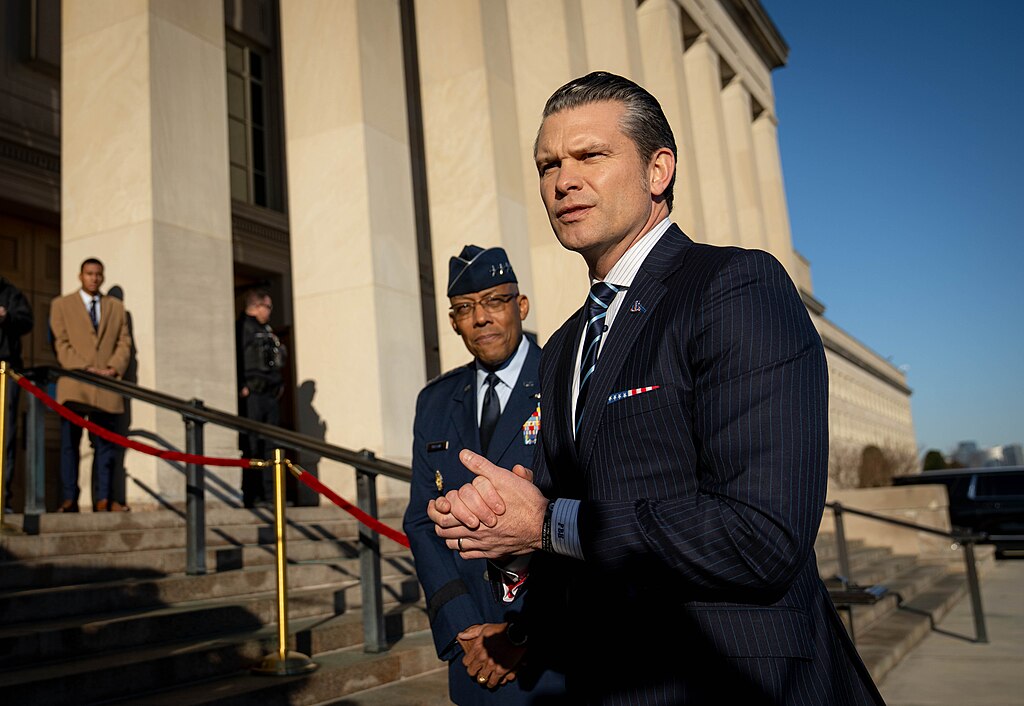
U.S. Defense Secretary Pete Hegseth stated Thursday that there is no intelligence confirming Iran moved its highly enriched uranium ahead of recent U.S. airstrikes on Iranian nuclear facilities. The strikes, conducted Sunday using over a dozen 30,000-pound bunker-buster bombs, targeted key sites like Fordow, prompting global scrutiny over their effectiveness.
President Donald Trump declared Iran’s nuclear program "obliterated," while Hegseth dismissed reports that uranium had been relocated, citing no evidence of movement. Trump reinforced this, claiming satellite images showing vehicles were linked to construction, not uranium transport.
However, analysts and satellite imagery from Maxar Technologies indicated unusual activity at Fordow, including long vehicle lines before the strike. A senior Iranian source told Reuters that most 60% enriched uranium had been transferred to a hidden location. European intelligence later assessed Iran’s uranium stockpile remained largely intact, as it wasn’t fully stored at Fordow.
Despite a leaked Defense Intelligence Agency report suggesting limited impact, Hegseth labeled the strike "historically successful" and said newer intelligence shows years of setbacks for Iran’s program. CIA Director John Ratcliffe supported this claim in briefings to U.S. senators.
Senators Tom Cotton and Mark Warner confirmed the mission damaged Iran’s nuclear infrastructure but acknowledged uranium remained untouched. Warner emphasized that full verification requires on-ground inspections.
General Dan Caine, chairman of the Joint Chiefs of Staff, avoided political commentary, stating he faced no pressure to alter assessments. Meanwhile, Iranian Supreme Leader Ayatollah Ali Khamenei promised retaliation and denied defeat after the brief conflict.
Hegseth criticized media bias at the Pentagon briefing, drawing praise from Trump, who called it one of the most professional press conferences ever. The House will receive a classified briefing next, as debate continues over requiring congressional approval for future strikes.







