


 Pezeshkian Says US Must Choose When Iran War Ends
  US Backs Musk in Fight Against EU’s €120 Million X Fine
  OpenAI Agent Breaches Australia Medicare Data Portal
  Ghana Says Western Support Growing for Slave Trade Reparations
  Judge Orders Trump to Restore White House Access for CNN, MS NOW and Politico
  South Korea, US Discuss Warship Building Cooperation
  Russian Missile and Drone Attack on Kyiv Kills Two, Damages Maternity Hospital
  EU Defence Build-Up Too Slow for 2030 Russia Readiness Goal
  Gaza Faces Evacuation Crisis as War-Damaged Buildings Risk Collapse
  Netanyahu Defends Israel at UN as Delegates Stage Walkout
  US Invites Putin to Miami G20, Opening Door to Trump Summit
  Trump, Xi Focus on Trade and AI at White House Summit
  Taiwan Thanks US for Support Ahead of Trump-Xi Summit
  US, China Extend Trade Truce to Jan. 10 Ahead of Trump-Xi Summit
  NATO Boosts Intelligence Sharing Amid Russia Hybrid Threats
  Kremlin Says No Decision Yet on Putin-Trump December Summit
  Yemen Violence Displaces 130,000 as Civilian Toll Rises


 Add as a preferred source on Google
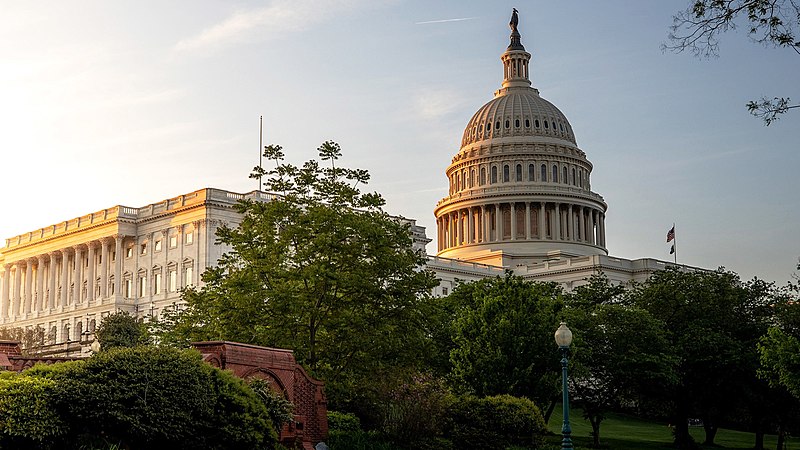
The United States Congressional Budget Office warned that the Treasury Department may end up exhausting all its funds from July to September unless the debt ceiling is lifted. The CBO has also said that the annual budget deficits could average between $2-3 trillion between 2024 and 2033.
The CBO issued its report along with an annual budget outlook on Wednesday, warning that unless the debt ceiling is raised, the government could reach a historic default by July. By that time, the revenue going into the Treasury may fall short of expectations. With the pace of the incoming revenue and the current state of the country’s economy, it may prove difficult for government officials to determine the exact date when the Treasury may start to default on debt payments without congressional action.
“If the debt limit is not raised or suspended before the extraordinary measures are exhausted, the government would be unable to pay its obligations fully,” said the CBO report. “As a result, the government would have to delay making payments for some activities, default on its debt obligations, or both.”
In a separate forecast, the CBO said the annual US budget deficits between 2024 and 2033 will average $2 trillion, close to pandemic-era records by the end of the decade. The CBO also estimated an unemployment rate of 4.7 percent this year in contrast to the current 3.4 percent. CBO director Phillip Swagel cited higher interest rates that have especially affected the housing industry along with slowing business investment as reasons for the rise in rates.
President Joe Biden doubled down on calling out congressional Republicans over the GOP’s plans to cut federal programs such as Social Security and Medicare. Biden in remarks at Maryland, called out House Republicans, who have demanded deep cuts in federal spending while their own plans would only add $3 trillion to the national debt.
Biden vowed to veto attempts by Republicans to gut federal programs and that his administration’s plans to cut the deficit by an additional $2 trillion on top of the $1.7 trillion reduction already made while maintaining his pledge not to raise taxes on anyone earning less than $400,000 a year.







