


 Pezeshkian Says US Must Choose When Iran War Ends
  Taiwan Thanks US for Support Ahead of Trump-Xi Summit
  France Defends Netanyahu Airspace Clearance Despite ICC Warrant
  Ghana Says Western Support Growing for Slave Trade Reparations
  Europe Warns Russia Is Escalating Hybrid Attacks Across NATO
  Yemen Violence Displaces 130,000 as Civilian Toll Rises
  Judge Orders Trump to Restore White House Access for CNN, MS NOW and Politico
  South Korea, US Discuss Warship Building Cooperation
  US Invites Putin to Miami G20, Opening Door to Trump Summit
  EU Defence Build-Up Too Slow for 2030 Russia Readiness Goal
  US, China Extend Trade Truce to Jan. 10 Ahead of Trump-Xi Summit
  Netanyahu’s Brief US Trip Highlights Strains With Trump
  North Korea Warns South Korea Over US-Led Defense Role
  Trump, Xi Focus on Trade and AI at White House Summit
  Netanyahu Defends Israel at UN as Delegates Stage Walkout
  OpenAI Agent Breaches Australia Medicare Data Portal
  Netanyahu Takes Aim at Mamdani as Israel Election Nears


 Add as a preferred source on Google
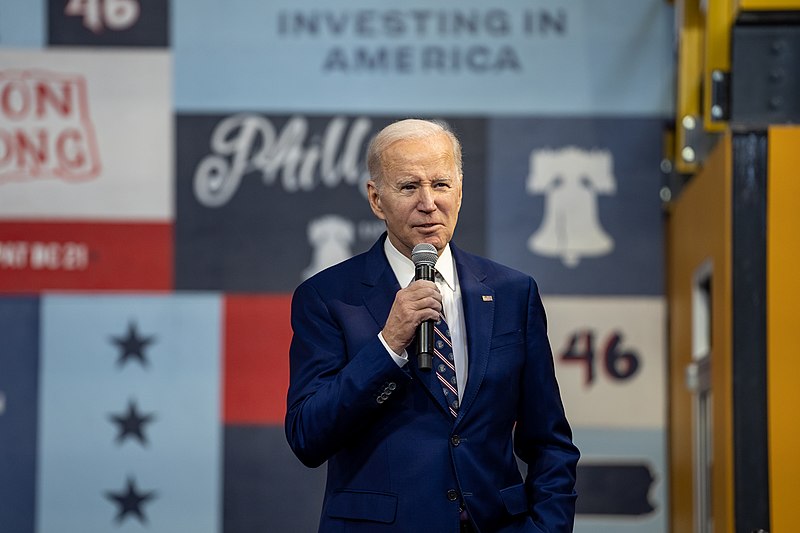
United States President Joe Biden expressed solidarity with Muslims around the world in his message for the community in celebration of Ramadan. Biden mentioned the Uyghur Muslim minorities in China and the Rohingya minorities in Myanmar in his message.
On Thursday, Biden released a statement through the White House celebrating the religious month of Ramadan. The US leader highlighted the Uyghur Muslim minorities in China’s Xinjiang province, which the US government said was being subject to genocide by Chinese authorities.
“Together with our partners, the United States stands in solidarity with Muslims who continue to face oppression, including Uyghurs in the People’s Republic of China, Rohingya in Burma, and other Muslim communities facing persecution around the world,” said the US leader, referring to China’s formal name and Myanmar’s former name of Burma.
“During this sacred time of reflection, the United States also reaffirms our support to the Muslim communities suffering hardships and devastation,” said Biden, referring to the earthquake victims in Syria and Turkey and the flood victims in Pakistan. “Today especially, we remember the universal human right to practice, pray, and preach our faiths peacefully and openly.”
The highlighting of the Uyghur minority in China also comes at a time of strained relations between Washington and Beijing over several issues. Rights groups have said Uyghur Muslims were subjected to mass detainment in forced labor camps and are banned from practicing their culture. China denies the repression of the minority and said the measures in Xinjiang were responses to terrorism threats.
On the same day, a congressional committee on China held its second hearing surrounding the alleged genocide against Uyghurs by Chinese authorities. The Republican chair of the panel, Rep. Mike Gallagher, told reporters ahead of the hearing that the situation in Xinjiang “should serve as a warning for what the world would look like under CCP leadership,” referring to the ruling Chinese Communist Party.
The panel heard testimonies from Uyghur woman Gulbahar Haitiwaji who recalled her experience in what she said were years spent in camps where she experienced abuse and forced patriotic education. The committee also heard from ethnic Uzbek Qelbinur Sidik, who was assigned as a teacher in such a camp in Xinjiang, who recalled prison-like conditions where those detained were tortured and interrogated.







