


 North Korea May Deploy 120 Missiles to Russia
  Russian Strikes on Ukraine Kill Six, Wound Dozens in Balakliia and Sumy
  Trump Administration Weighs Executive Order on Vaccines and Autism Research
  Rubio, UK’s Miliband Stress Stronger European Security Role in Washington Talks
  Germany Warns of Daily Hybrid Warfare Threats
  ICE to Complete Nationwide Body Camera Rollout by End of August
  New Zealand MMP Electoral System Faces Fresh Referendum Debate
  Trump Orders Probe Into Pentagon Munitions Stockpile Leaks After Iran Conflict
  Senate Majority Leader John Thune Moves to Advance Crypto Clarity Act
  Bezalel Smotrich Faces Election Battle as Israel’s Far-Right Vote Fractures
  Abdul El-Sayed Wins Michigan Democratic Senate Primary, Sets Up Key Midterm Showdown
  Russia Intensifies Drone and Bomb Attacks on Ukraine’s Zaporizhzhia, Deepening Civilian Fear
  SEC Moves to Dismiss Insider Trading Case Against Trump-Pardoned Terren Peizer
  US Expects Iran-Oman Hormuz Shipping Deal Soon
  Ukraine Agrees to Protect Kazakhstan Oil Exports via Black Sea
  Trump Unveils $3 Billion U.S. Critical Minerals Push


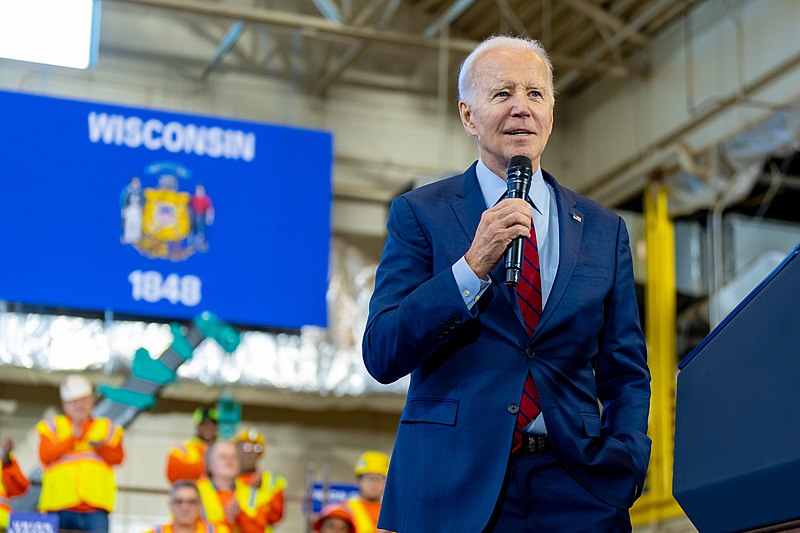
The Biden administration is set to unveil an overhaul of its arms sales policy this week. The new policy will have an increased focus on human rights.
Three state department officials familiar with the matter told Reuters that the Biden administration will be unveiling on Thursday an overhaul of its arms exports policy. The revamped policy, also called the Conventional Arms Transfer policy, will now put more emphasis on human rights.
The CAT policy covers the review of security assistance, government-to-government weapons transfers, and licensed commercial sales of US-made military equipment and services that are overseen by the State Department, the Defense Department, and the Commerce Department. This would also include firearms that are available in the United States.
Such policies are scrutinized by defense firms and activists for insight into the administration’s stance in balancing the commercial interests of exporters such as Lockheed Martin Co. and Raytheon Technologies against the country’s commitment to human rights. The CAT policy would address the possibility that arms from the US could be used to commit human rights violations, according to the officials.
In the CAT policy, new weapons transfers will not be approved if the State Department determines that the arms will “more likely than not” be used to commit or facilitate genocide, crimes against humanity, breaches of the Geneva Conventions, or violations of international law. Previous CAT policy said arms transfers would not be authorized only when Washington had “actual knowledge” that the arms would be used in committing such actions.
The officials did not say which countries the new CAT policy may affect.
Meanwhile, the Biden administration announced that it would be choosing 11 organizations across the country to administer $550 million in grants to disadvantaged communities to reduce legacy pollution and gaining access to clean energy.
The Environmental Protection Agency will be funding the organizations, which include non-profit groups, tribal nations, and universities that will become grantmakers for the new Environmental Justice Thriving Communities Grantmaking program that aims to invest in community-led projects in areas that have long suffered air and water pollution.
The funds are part of a $3 billion provision for environmental justice grants that are authorized by Congress through the Inflation Reduction Act.







