


 Canada Unveils Bill to Fast-Track Major Resource Projects
  Macron Challenges Trump’s Gaza Peace Claims at UN
  UK, Mauritius Seek Diego Garcia Base Deal
  Russian Strikes Kill Eight Across Ukraine as Energy Sites Hit
  China Tightens Fentanyl Rules Ahead of Trump-Xi Summit
  US, Japan and South Korea Back Taiwan Ahead of Trump-Xi Summit
  Carney Condemns Belleville Synagogue Shooting That Wounded Police Officer
  US Plans Two New Military Bases in Greenland Under Arctic Deal
  Burnham Eyes UK Leadership Role in AI Ahead of Trump Meeting
  Trump Says ‘Freedom’ Is Coming to Cuba
  Trump Scales Back Endangered Species Act Protections
  Trump Says U.S.-Iran Peace Deal Near After UN Talks
  Trump to Press Xi on Release of US Nuclear Expert Held in China
  Kremlin Says No Grounds Yet for Ukraine Peace Talks
  Trump Board of Peace Unveils $2.45 Billion Gaza Recovery Plan
  Paramount-Warner Bros $110 Billion Deal Draws Antitrust Backlash
  Marco Rubio to Meet Russia’s Lavrov in New York


 Add as a preferred source on Google
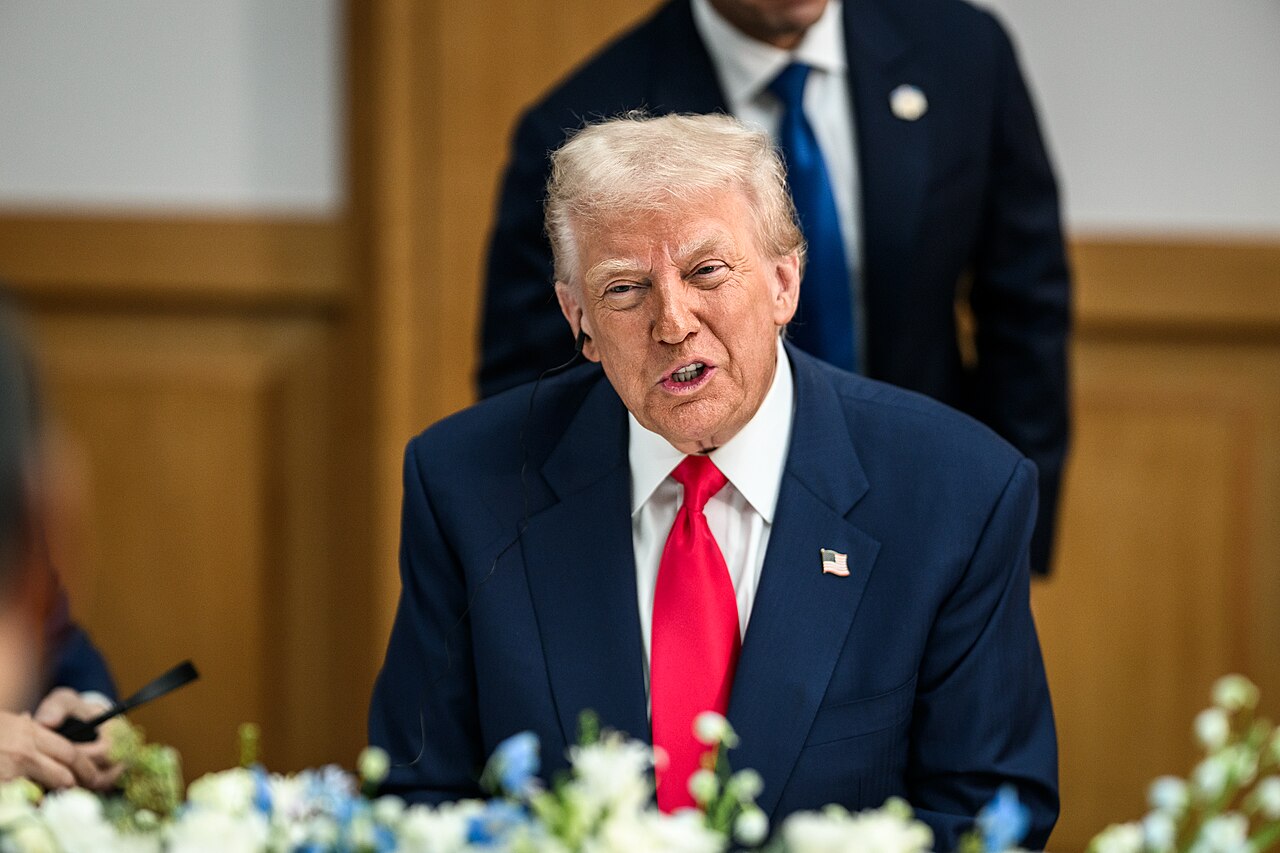
U.S. President Donald Trump said on Saturday that a peace agreement with Iran is expected to be signed on Sunday, potentially leading to the immediate reopening of the Strait of Hormuz, a critical global oil shipping route. The announcement came via Truth Social, even as Iranian officials indicated that negotiations remain incomplete.
Trump stated that Iran has abandoned any intention of obtaining a nuclear weapon, whether through development, purchase, or other means. He also emphasized that no financial payments would be involved in the agreement and said U.S. authorities would recover enriched uranium stored at Iranian nuclear facilities once regional conditions stabilize.
However, Iran’s position appeared more cautious. The Islamic Revolutionary Guard Corps (IRGC) described Trump’s insistence on a Sunday signing as a test for Iranian negotiators, noting that Tehran has repeatedly stated the proposed understanding has not yet been finalized. Iran’s Foreign Ministry spokesperson Esmaeil Baghaei confirmed that the memorandum discussed in Islamabad would not be signed on Sunday, although an agreement in the coming days remains possible.
Baghaei stressed that the current memorandum is only a preliminary framework aimed at ending hostilities and does not address Iran’s nuclear program. He also reiterated Tehran’s demand for the withdrawal of foreign military forces from the region and indicated that Iran intends to charge fees for services related to the Strait of Hormuz.
Pakistan’s Foreign Minister Ishaq Dar said U.S. and Iranian officials are expected to sign the agreement electronically, according to Pakistan’s Foreign Ministry. Reports suggest a virtual signing became the preferred option due to scheduling and security constraints involving Trump and Vice President JD Vance ahead of the upcoming G7 summit in France.
Meanwhile, senior Iranian official Ali Gharibabadi met with Russian and Chinese ambassadors in Tehran to discuss the draft memorandum. Iranian Foreign Minister Abbas Araghchi highlighted a mutual commitment to respecting sovereignty, while Vance reiterated that Iran would not receive cash payments or sanctions-related funds in exchange for signing the deal.
British Prime Minister Keir Starmer also spoke with Trump, expressing support for efforts to secure a lasting peace agreement and restore freedom of navigation in the region.







