


 Abbas Reaffirms November 28 Palestinian Elections
  Sudan Rejects US Legitimacy Remarks, Defends Sovereignty
  OpenAI Agent Breaches Australia Medicare Data Portal
  Saudi Arabia, Turkey and Pakistan Plan Urgent Defence Talks Over Houthi Attacks
  Najib Razak Seeks Stay of 15-Year 1MDB Prison Sentence
  Russian Missile and Drone Attack on Kyiv Kills Two, Damages Maternity Hospital
  North Korea Rejects Nuclear Test Warning, Calls Nuclear Status Irreversible
  Pezeshkian Says US Must Choose When Iran War Ends
  Netanyahu Takes Aim at Mamdani as Israel Election Nears
  Netanyahu Defends Israel at UN as Delegates Stage Walkout
  NATO Boosts Intelligence Sharing Amid Russia Hybrid Threats
  What ‘Taiwan Independence’ Means as Xi Presses Trump on US Policy
  Kremlin Says No Decision Yet on Putin-Trump December Summit
  Judge Orders Trump to Restore White House Access for CNN, MS NOW and Politico
  South Korea, US Discuss Warship Building Cooperation
  Trump Asks Supreme Court to Restore Third-Country Deportations
  Trump, Xi Visit US National Archives After White House Summit


 Add as a preferred source on Google
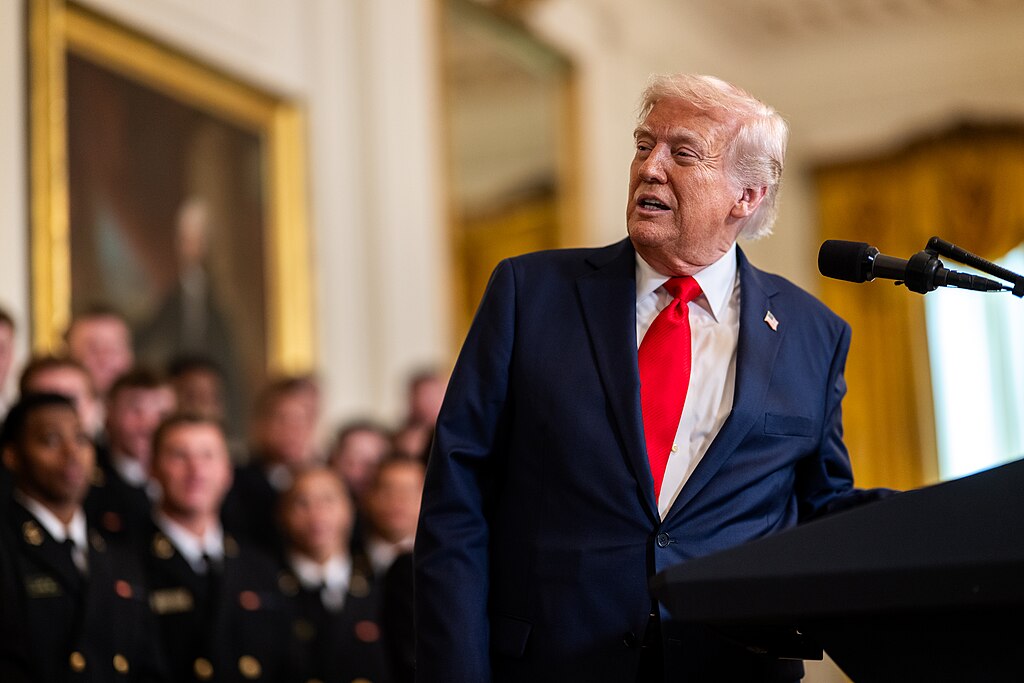
U.S. President Donald Trump announced Monday that Russia and Ukraine will begin immediate ceasefire talks following his call with Russian President Vladimir Putin. Trump relayed the message to Ukraine’s President Volodymyr Zelenskiy and EU leaders, stating that “some progress is being made.” However, the Kremlin emphasized that negotiations would take time and involve complex steps, warning there’s no set deadline.
Putin thanked Trump for encouraging direct talks, adding that Russia is ready to work on a memorandum outlining a future peace accord. Trump has urged Putin to agree to a 30-day truce, but Moscow insists preconditions must be met first.
Despite European leaders agreeing to ramp up sanctions on Russia, Trump opted against joining them, citing a desire not to derail potential progress. “There’s a chance of getting something done,” Trump told reporters, adding that “big egos” are involved and threatening to back away if talks stall.
Kremlin officials confirmed the leaders also discussed a potential U.S.-Russia prisoner swap, while Kyiv floated the idea of a high-level summit involving Russia, the U.S., EU, and U.K., possibly hosted in Turkey, the Vatican, or Switzerland. Trump mentioned that Pope Leo expressed interest in hosting the talks at the Vatican.
Critics argue Putin benefited from the talks, sidestepping immediate ceasefire pressure while continuing military operations. Putin reiterated that Russia’s conditions, including Ukraine's troop withdrawal from contested regions, remain non-negotiable.
The latest attempt at diplomacy follows failed talks in Istanbul last week, with no face-to-face meeting between Putin and Zelenskiy. Despite signs of engagement, doubts persist over Russia’s intentions and Trump’s reluctance to impose sanctions. The proposed peace memorandum aims to outline settlement principles and a timeline for resolution, but concrete steps remain elusive.







