


 Zelenskiy Warns Russia Preparing Major Attack on Ukraine
  Zelenskiy Meets CIA Chief John Ratcliffe at Ireland’s Shannon Airport
  Burnham Eyes UK Leadership Role in AI Ahead of Trump Meeting
  US Plans Two New Military Bases in Greenland Under Arctic Deal
  Scott Bessent Eyed as Trump’s New AI Czar
  Vietnam, US Trade Deal Could Be Signed Soon, To Lam Says
  Taiwan Vows to Advance US Arms Sales Ahead of Trump-Xi Meeting
  Carney Condemns Belleville Synagogue Shooting That Wounded Police Officer
  Kremlin Says No Grounds Yet for Ukraine Peace Talks
  CNN, MS NOW and Politico Sue Trump Over White House Media Ban
  Trump Meets Venezuela’s Delcy Rodriguez at UN Assembly
  Macron, Trump Discuss Ukraine-Russia Energy Strike Moratorium
  China Tightens Fentanyl Rules Ahead of Trump-Xi Summit
  Trump Administration Prepares Sanctions Against Entire ICC
  Canada Unveils Bill to Fast-Track Major Resource Projects
  Trump Says ‘Freedom’ Is Coming to Cuba
  Lula Meets Mamdani in New York as Elections Approach


 Add as a preferred source on Google
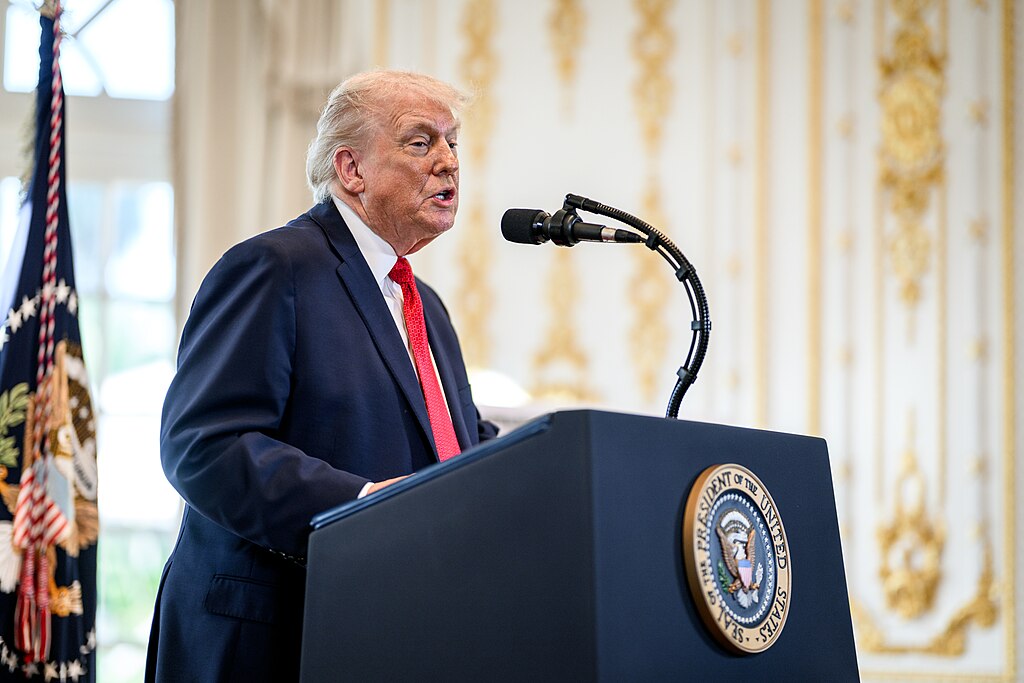
U.S. President Donald Trump stated on Monday evening that the United States is nearing victory in its conflict with Iran, adding that global oil prices could decline significantly once the war comes to an end.
During a virtual rally, Trump said the U.S. had severely weakened Iran’s military capabilities and leadership structure. He expressed confidence that the conflict was approaching its final stage and predicted an official declaration of victory in the near future.
“I think we are winning that battle, but you’re really going to win it over the next two weeks when we declare total victory,” Trump told supporters. He also suggested that a successful outcome would lead to lower energy costs, saying oil prices could “come tumbling down” soon.
Trump’s remarks followed a reported agreement between Iran and Israel to halt recent hostilities after pressure from the U.S. administration. The development contributed to easing concerns in global energy markets, although oil prices remain higher compared to the beginning of the year.
Despite the president’s optimism, the broader conflict involving the U.S., Israel, and Iran has continued for several months. The war entered its fourth consecutive month in June, even as Trump has repeatedly stated that an end to the fighting was close.
Iranian officials have largely dismissed claims that a peace agreement is imminent. Tehran has also shown reluctance toward indirect negotiations with Washington, raising questions about the prospects for a lasting resolution.
Recent tensions between Iran and Israel have been linked to Israel’s military operations in Lebanon. Iran has consistently opposed those actions and has insisted that Lebanon be included in any comprehensive regional peace agreement.
Trump has frequently argued that U.S. military operations have significantly damaged Iran’s missile systems and defense infrastructure. However, Iran continues to launch attacks on various targets across the Middle East. The country has also maintained restrictions affecting the Strait of Hormuz, a strategically important route for global oil shipments.
As geopolitical tensions remain high, investors are closely monitoring developments in the Iran conflict, U.S. foreign policy, and oil market trends. Any progress toward peace could have major implications for energy prices, regional stability, and global financial markets throughout 2026.







