


 Saudi Arabia, Turkey and Pakistan Plan Urgent Defence Talks Over Houthi Attacks
  Trump, Xi Visit US National Archives After White House Summit
  Taiwan Thanks US for Support Ahead of Trump-Xi Summit
  Yemen Violence Displaces 130,000 as Civilian Toll Rises
  Trump, Xi Focus on Trade and AI at White House Summit
  Pezeshkian Says US Must Choose When Iran War Ends
  Trump Asks Supreme Court to Restore Third-Country Deportations
  Ghana Says Western Support Growing for Slave Trade Reparations
  Mexico-US Trade Talks Delayed to October as Tariff Negotiations Continue
  US Backs Musk in Fight Against EU’s €120 Million X Fine
  OpenAI Agent Breaches Australia Medicare Data Portal
  Netanyahu Takes Aim at Mamdani as Israel Election Nears
  North Korea Warns South Korea Over US-Led Defense Role
  Xi Calls for Deeper U.S.-China AI Cooperation in Trump Talks
  What ‘Taiwan Independence’ Means as Xi Presses Trump on US Policy
  Abbas Reaffirms November 28 Palestinian Elections
  EU Defence Build-Up Too Slow for 2030 Russia Readiness Goal


 Add as a preferred source on Google
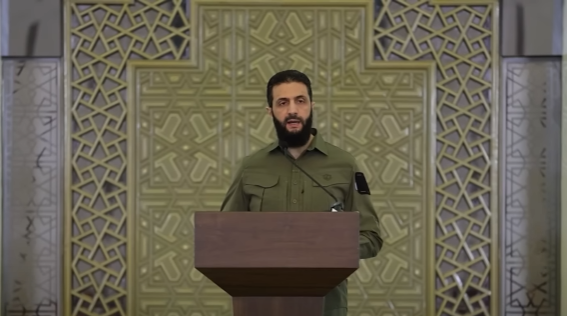
U.S. President Donald Trump said on Tuesday that he and Secretary of State Marco Rubio had resolved what he described as a “tremendous problem” related to Syria, signaling potential progress in long-running diplomatic efforts in the war-torn country. The comments were made during an interview on Fox News’ The Will Cain Show, but Trump did not provide concrete details about the nature of the agreement or the specific outcomes achieved.
Trump’s remarks came only hours after he held a phone conversation with Syrian President Ahmed al-Sharaa, a figure who has recently emerged as Washington’s preferred interlocutor in Syria. While the White House has yet to release an official readout of the call, the timing suggests that the discussion may have played a role in what Trump characterized as a major diplomatic achievement.
The United States has been intensifying diplomatic efforts to broker a durable ceasefire and political framework between the Syrian government and the Kurdish-led Syrian Democratic Forces (SDF). For years, the SDF served as Washington’s primary ally on the ground, particularly during the campaign against the Islamic State. However, relations have evolved as the U.S. reassesses its long-term strategy in Syria and seeks a broader political settlement.
Trump emphasized that the situation in Syria has been complex and deeply entrenched, pointing to years of conflict, shifting alliances, and regional tensions. By highlighting cooperation with Secretary of State Marco Rubio, the president appeared to frame the claimed breakthrough as part of a coordinated diplomatic push rather than a unilateral move.
Although specifics remain scarce, analysts suggest the “tremendous problem” could relate to easing tensions between the SDF and Damascus, security arrangements in northern Syria, or steps toward integrating Kurdish forces into a national political framework. Any progress on these fronts would mark a significant shift in U.S. policy and could reshape the balance of power in the region.
For now, Trump’s statement has sparked speculation and cautious optimism, as observers await further clarification from U.S. officials on what was actually agreed upon and how it might impact the future of Syria, U.S. foreign policy, and regional stability in the Middle East.







