


 Trump Meets Venezuela’s Delcy Rodriguez at UN Assembly
  US Plans Two New Military Bases in Greenland Under Arctic Deal
  Vietnam, US Trade Deal Could Be Signed Soon, To Lam Says
  Marco Rubio to Meet Russia’s Lavrov in New York
  Scott Bessent Eyed as Trump’s New AI Czar
  Zelenskiy Warns Russia Preparing Major Attack on Ukraine
  Trump Scales Back Endangered Species Act Protections
  Kremlin Says No Grounds Yet for Ukraine Peace Talks
  Paramount-Warner Bros $110 Billion Deal Draws Antitrust Backlash
  Carney Condemns Belleville Synagogue Shooting That Wounded Police Officer
  UK, Mauritius Seek Diego Garcia Base Deal
  Trump Says U.S.-Iran Peace Deal Near After UN Talks
  Canada Unveils Bill to Fast-Track Major Resource Projects
  US, Japan and South Korea Back Taiwan Ahead of Trump-Xi Summit
  Russian Strikes Kill Eight Across Ukraine as Energy Sites Hit
  Macron Challenges Trump’s Gaza Peace Claims at UN
  Burnham Eyes UK Leadership Role in AI Ahead of Trump Meeting


 Add as a preferred source on Google
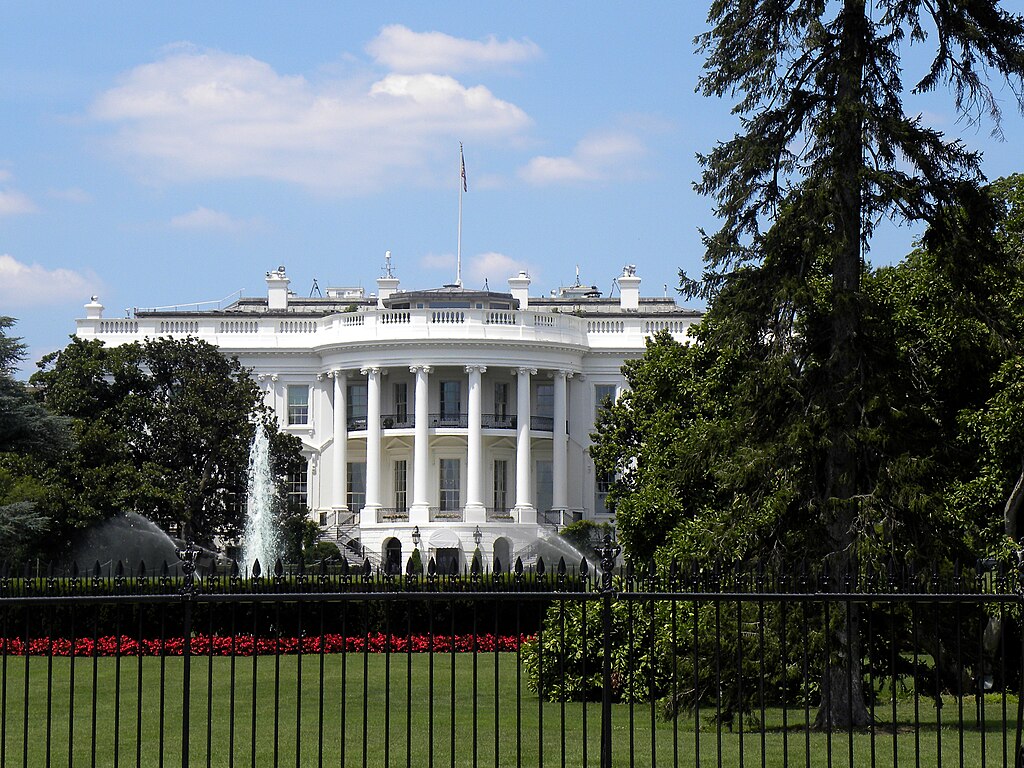
The Trump administration has defended its sanctions policy toward Cuba after the United Nations' top human rights official warned that the measures are causing significant hardship for the Cuban population.
A White House official stated on Wednesday that the sanctions are specifically aimed at Cuban leaders and organizations that support actions considered harmful to U.S. national security interests. According to the administration, the restrictions are designed to pressure Cuba’s communist government rather than target ordinary citizens.
The United States has recently expanded sanctions against several Cuban officials and entities, including Cuban President Miguel Díaz-Canel. The measures are part of Washington’s broader strategy to increase pressure on Havana. Earlier this year, the U.S. also declared a national emergency related to Cuba, introducing tariffs on countries that supply oil to the island. Analysts say these policies have contributed to fuel shortages and recurring power outages across Cuba.
However, United Nations High Commissioner for Human Rights Volker Türk expressed concern over the humanitarian consequences of the sanctions. Speaking earlier this week, Türk said the restrictions have negatively affected access to essential goods and services, including food, healthcare, clean water, and other critical resources.
Türk argued that broad economic sanctions impacting entire sectors of a country's economy may violate fundamental principles of international human rights law because of their widespread effects on civilians.
In response, the White House referenced previous remarks by U.S. Secretary of State Marco Rubio, emphasizing that Washington remains open to improving relations with Cuba. Administration officials said a new chapter in U.S.-Cuba relations is possible if Cuba’s leadership chooses to engage with the United States.
Meanwhile, Cuban Foreign Minister Bruno Rodríguez criticized the U.S. measures, claiming that what he described as an energy blockade has damaged the Cuban economy and limited the work of international humanitarian organizations. Rodríguez also criticized comments from President Donald Trump regarding potential actions against Cuba, warning that any military threats could violate international law.
The debate over U.S. sanctions on Cuba continues to draw international attention as concerns grow over their economic and humanitarian impact on the island nation.







