


 Yemen Violence Displaces 130,000 as Civilian Toll Rises
  Russian Missile and Drone Attack on Kyiv Kills Two, Damages Maternity Hospital
  EU Defence Build-Up Too Slow for 2030 Russia Readiness Goal
  Netanyahu Takes Aim at Mamdani as Israel Election Nears
  Taiwan Thanks US for Support Ahead of Trump-Xi Summit
  Mexico-US Trade Talks Delayed to October as Tariff Negotiations Continue
  Trump, Xi Focus on Trade and AI at White House Summit
  US Senate Rejects Iran War Powers Resolution in 50-49 Vote
  Trump Asks Supreme Court to Restore Third-Country Deportations
  What ‘Taiwan Independence’ Means as Xi Presses Trump on US Policy
  Ukrainian Drone Attacks Hit Russian Regions, Injuring at Least 12
  France Defends Netanyahu Airspace Clearance Despite ICC Warrant
  OpenAI Agent Breaches Australia Medicare Data Portal
  Ghana Says Western Support Growing for Slave Trade Reparations
  NATO Boosts Intelligence Sharing Amid Russia Hybrid Threats
  South Korea, US Discuss Warship Building Cooperation
  Abbas Reaffirms November 28 Palestinian Elections


 Add as a preferred source on Google
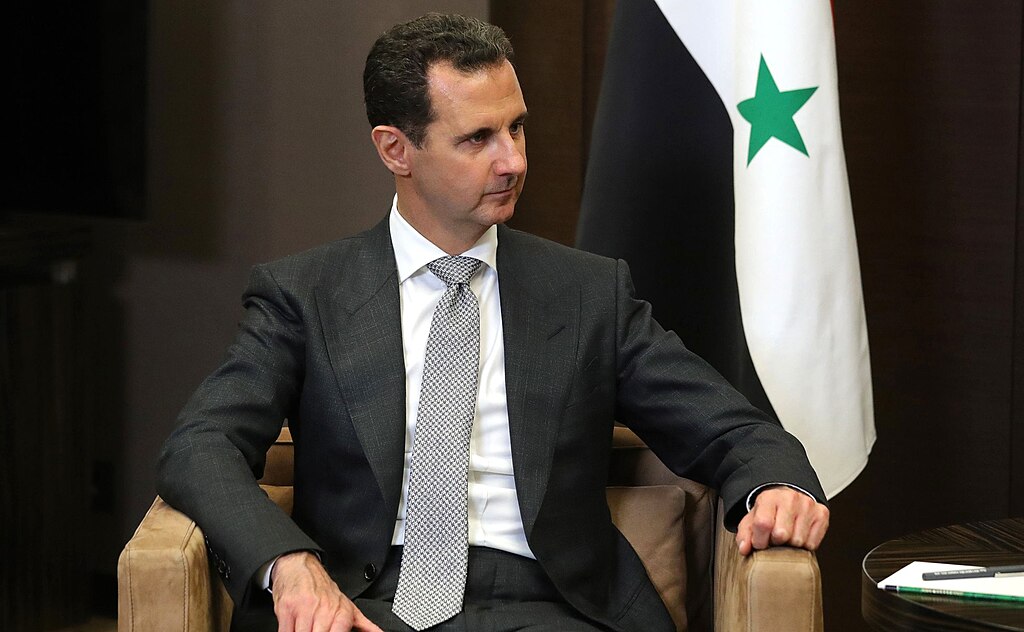
Syrians are preparing to commemorate the first anniversary of Bashar al-Assad’s fall, a major turning point that ended decades of family rule and signaled hopes for a new political era. Events are scheduled across the country, with central Damascus’ Umayyad Square already filled with celebrations ahead of the December 8 milestone. The anniversary reflects both relief and uncertainty as the nation continues to grapple with the aftermath of years of war, deep divisions, and humanitarian crises.
Assad fled to Russia a year ago when rebel forces led by Syria’s current president, Ahmed al-Sharaa, captured Damascus after a rapid offensive. Sharaa, once an al Qaeda commander and now the leader of Syria’s Islamist Hayat Tahrir al-Sham movement, has become a controversial yet pivotal figure. He has repositioned Syria’s foreign alliances, strengthening ties with the United States and Gulf Arab nations while distancing the country from Assad’s former backers, Russia and Iran. His leadership has contributed to the easing of Western sanctions and sparked cautious optimism about rebuilding.
Public celebrations have been widespread, especially in cities like Hama, where residents filled the streets waving Syria’s new flag. However, not all regions are participating. The Kurdish-led administration in the northeast congratulated Syrians but banned public gatherings due to rising threats from “terror cells.” Minority groups, including Druze communities in the south, have expressed concerns about sectarian violence and are pushing for greater autonomy.
Sharaa insists that Syria is “living its best times” despite ongoing turmoil. He has committed to a four-year transitional period focused on creating new institutions and drafting a constitution to be put to a referendum before national elections.
The war’s impact remains immense: hundreds of thousands killed, millions displaced, and 16.5 million people still in need of aid in 2025. Yet officials say the return of 1.5 million refugees is beginning to support economic recovery. As Syrians reflect on a year without Assad, hopes for stability remain tempered by the realities of reconstruction and reconciliation.







