


 Palantir's Maven AI Earns Pentagon "Program of Record" Status, Reshaping Military AI Strategy
  UK Consumer Confidence Weakens Amid Middle East Conflict and Rising Living Costs
  RBA Raises Cash Rate to 4.10% in Closest Vote Since Transparent Voting Began
  Suspicious Oil Market Trades Precede Trump's Iran Peace Post by 15 Minutes
  China Holds Benchmark Loan Prime Rate Steady for Tenth Consecutive Month
  Air Canada Express Crash at LaGuardia: Controller Distracted by Prior Emergency
  Asian Markets Rally as Oil Prices Tumble and Middle East Peace Hopes Emerge
  Global Central Banks Hold Rates Amid Iran War-Driven Energy Price Surge
  Australia's Inflation Eases in February but Core Pressures Persist
  Bank of Japan Governor Signals Gradual Progress Toward 2% Inflation Target
  Belarus Frees 250 Political Prisoners in Landmark U.S. Sanctions Deal
  RBA Set for Back-to-Back Rate Hikes, Westpac Forecasts
  Iran-Israel Missile Strikes Continue Amid Mixed Signals on U.S.-Iran Diplomacy
  Currency Markets Show Caution Amid U.S.-Iran Negotiations
  Bank of Japan Eyes April Rate Hike Despite Inflation Dip, ING Says


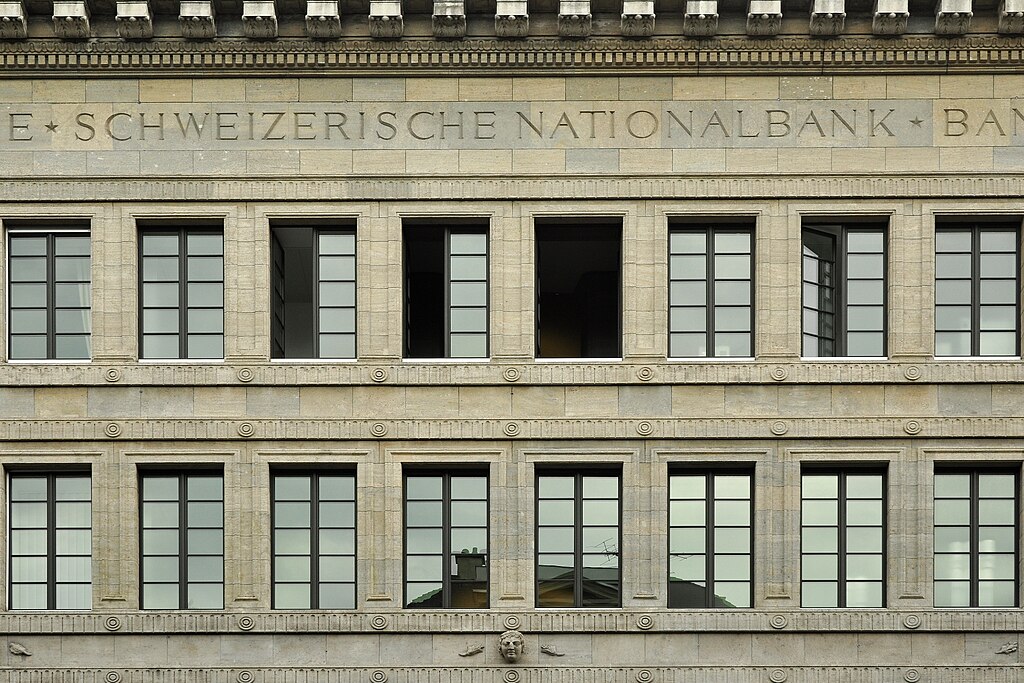
The Swiss National Bank (SNB) remains committed to using interest rates and currency interventions to maintain price stability, despite potential U.S. scrutiny. SNB Chairman Martin Schlegel reaffirmed this stance, emphasizing that the bank's primary monetary tool is interest rates, with foreign exchange interventions used only when necessary.
Switzerland was labeled a currency manipulator by the U.S. Treasury in 2020 for allegedly weakening the Swiss franc to gain a trade advantage. However, the country later had the designation removed in 2023 after defending its monetary policies. Schlegel clarified that the SNB's focus on interest rates over currency intervention is not a response to political pressure but aligns with its long-standing policy framework.
To prevent excessive franc appreciation and deflation, the SNB is open to reintroducing negative interest rates, a measure it used for nearly eight years until September 2022. While acknowledging that negative rates are unpopular with savers, Schlegel stressed they were effective in making the franc less attractive. However, he stated that the SNB would only implement them if absolutely necessary.
Countries labeled as currency manipulators risk penalties such as exclusion from U.S. government contracts, but the SNB remains firm in its approach. Schlegel reiterated that the bank’s mandate is to ensure price stability, using all available tools, including exchange rate interventions, to achieve this goal.
By maintaining a flexible yet decisive monetary policy, the SNB aims to stabilize inflation and manage currency fluctuations, reinforcing Switzerland’s economic resilience amid global financial pressures.













