


 Wall Street Ends Lower as AI Stocks Drag Markets, Fed Rate Outlook Shifts
  RBI Holds Interest Rates at 5.25%, Cuts India Growth Forecast Amid Rising Global Risks
  Wall Street Ends Mixed as Micron Surges, Apple Drops After Price Hikes
  BOJ Rate Hike Expected to Boost Yen, Impact USD/JPY and Nikkei
  Gold Prices Rise Above $4,000 as Inflation Data and Weaker Dollar Boost Demand
  Iran Attack in Strait of Hormuz Pushes Oil Prices Higher
  U.S. Dollar Reaches One-Year High as Tech Sell-Off and Fed Rate Hike Expectations Support Demand
  RBI Hits Pause as Geopolitical Storm Clouds Gather
  White House Seeks $87.6 Billion Emergency Funding for Iran War, Farmers, and Ebola Response
  China Keeps Loan Prime Rates Unchanged for 13th Straight Month as Policymakers Prioritize Credit Demand Recovery
  Goldman Sachs Sees Fed Holding Interest Rates Steady Until 2027
  Indonesia Passes New Central Bank Law, Raising Investor Concerns Over Policy Independence
  Oil Prices Drop as Strait of Hormuz Shipping Recovers
  South Korea’s KOSPI Jumps Over 5% as Samsung, SK Hynix Rally on Micron Earnings Boost
  Asian Currencies Trade Mixed as Yen Hovers Near 40-Year Low, Dollar Holds Firm on Fed Outlook
  Japan Signals Preference for Low Interest Rates as BOJ Policy Debate Intensifies
  Jerome Powell Warns Against Politicizing the Federal Reserve, Defends Democratic Institutions


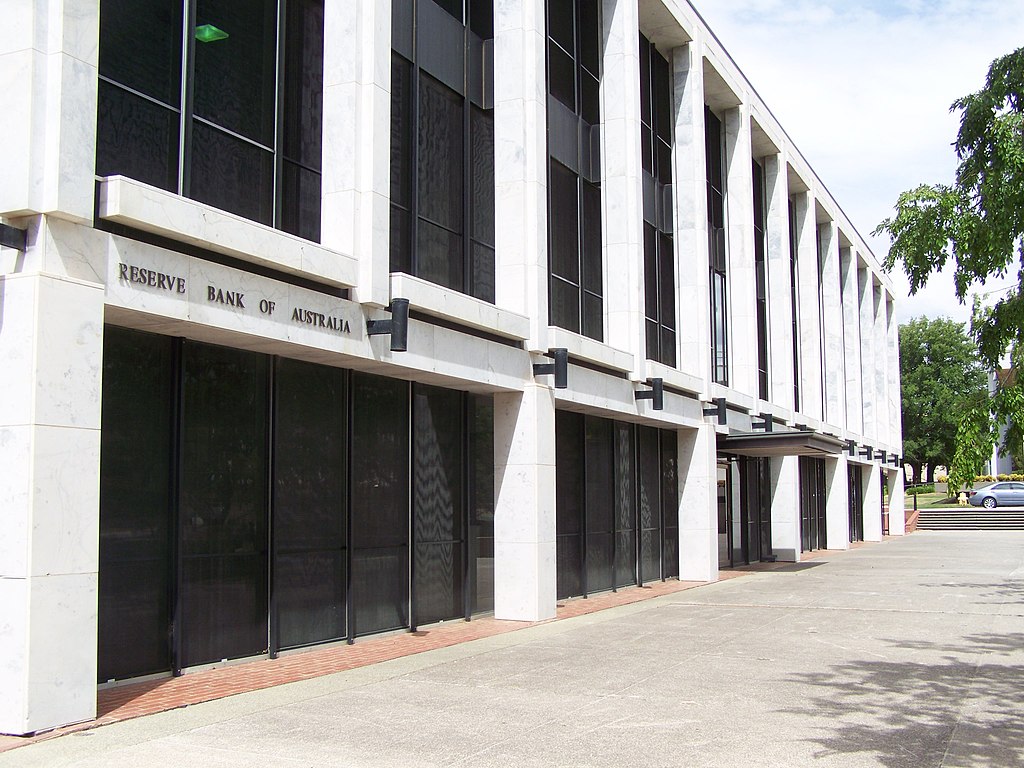
The Reserve Bank of Australia (RBA) is now expected to raise interest rates by 25 basis points at its February 3 policy meeting, according to a new forecast from ANZ, marking a shift in expectations after a brief easing cycle in 2025. If implemented, the move would lift the official cash rate to 3.85%, reflecting renewed concerns about inflation persistence and labor market tightness.
ANZ’s revised outlook is driven largely by stronger-than-expected inflation data. Australia’s fourth-quarter trimmed mean inflation rose to 3.35% year over year, exceeding the RBA’s November forecast of 3.2%. This upside surprise has reinforced concerns that underlying price pressures remain elevated, even as headline inflation shows signs of gradual moderation. The resilience of the labor market has also played a role in the forecast change, with Australia’s unemployment rate ending 2025 at 4.1%, a level that suggests limited spare capacity in the economy.
Despite the expectation of a rate hike, ANZ emphasized that the move would likely be a one-off “insurance” tightening rather than the start of a prolonged rate-hiking cycle. The bank believes the RBA will act cautiously, aiming to prevent inflation expectations from drifting higher without significantly derailing economic growth. According to ANZ, the anticipated rate increase is expected to weigh on key economic indicators, including housing auction clearance rates, consumer sentiment, and business conditions, pointing to a potential cooling in domestic demand.
ANZ’s analysis also suggests that most inflation indicators are expected to ease back into the RBA’s target range over 2026 and into 2027, even though inflation picked up during the second half of 2025. As economic activity softens following the February rate hike, the likelihood of further interest rate increases is expected to diminish, reducing the probability of additional tightening beyond the single move currently forecast.
Overall, the outlook highlights a delicate balancing act for the RBA as it seeks to contain inflation while managing risks to growth and household confidence in a slowing economic environment.







