


 Oil Prices Plunge Over 6% as Middle East Ceasefire Hopes Ease Supply Fears
  Trump Tariffs Show Minimal Economic Impact but Boost Federal Revenue, Study Finds
  Japan Eyes Oil Futures Intervention to Stabilize Yen Amid Middle East Crisis
  Gold Prices Surge on U.S.-Iran Ceasefire Reports
  China Holds Benchmark Loan Prime Rate Steady for Tenth Consecutive Month
  Gold Prices Climb as Middle East Ceasefire Talks Stir Market Optimism
  Paraguay Central Bank Holds Interest Rate at 5.5% Amid Slowing Growth
  WTO Reform Talks Begin in Cameroon Amid Global Trade Tensions
  Japan's Private Sector Growth Slows in March Amid Rising Costs and Middle East Uncertainty
  RBA Raises Cash Rate to 4.10% in Closest Vote Since Transparent Voting Began
  Asian Currencies Weaken as Dollar Rebounds Amid Middle East Uncertainty and Japan Inflation Data
  Bank of Japan Officials Signal Continued Interest Rate Hikes Amid Inflation Concerns
  Middle East War Rattles Global Markets as Oil Tops $100 and Dollar Surges
  Goldman Sachs Delays Bank of England Rate Cut Forecast Amid Middle East Inflation Risks
  Iran-Israel Missile Strikes Continue Amid Mixed Signals on U.S.-Iran Diplomacy


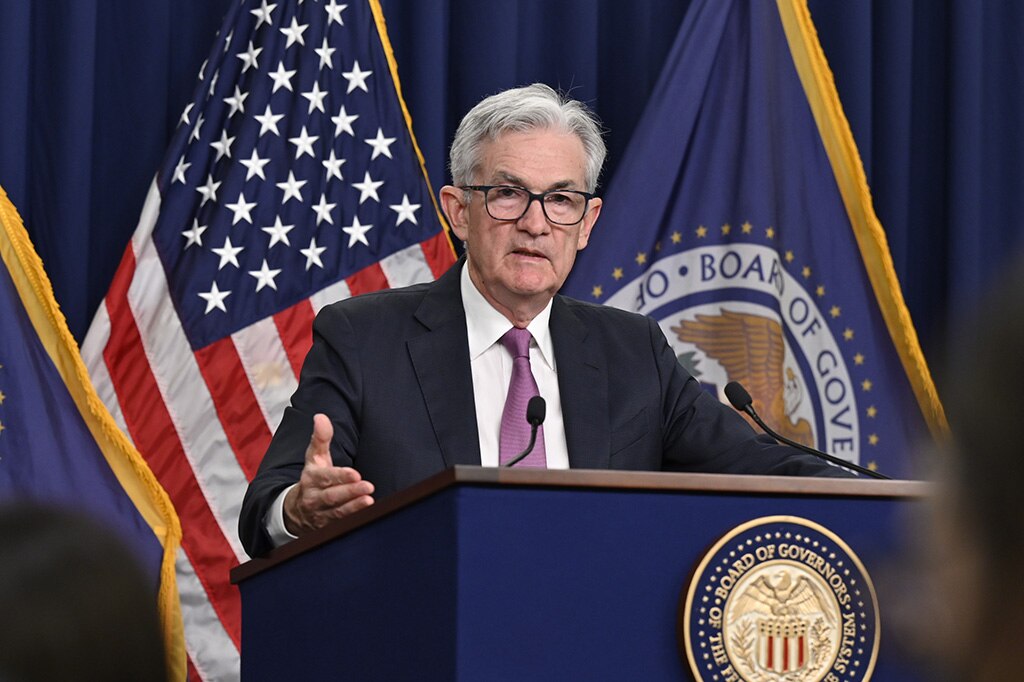
The Federal Reserve has confirmed that its closely watched policy meeting will proceed as scheduled, even as extreme winter weather forced the closure of many government offices across Washington D.C. In an official statement published on its website, the central bank said its rate-setting body, the Federal Open Market Committee (FOMC), will meet on Tuesday and Wednesday and will release all planned statements and economic updates without delay.
The announcement comes as the U.S. capital experienced dangerous levels of snow and sleet, leading to widespread road closures and disruptions. Several federal agencies temporarily shut down operations due to the severe conditions, which are part of a broader winter storm system that has impacted multiple regions across the country in recent weeks. Despite these challenges, the Federal Reserve emphasized its commitment to maintaining continuity in monetary policy decision-making.
The two-day FOMC meeting, which begins Tuesday, is being closely monitored by investors, economists, and market participants seeking clarity on the future path of U.S. interest rates. The Fed is widely expected to keep interest rates unchanged at 3.75% when its decision is announced on Wednesday. Holding rates steady would signal a cautious approach as policymakers continue to assess inflation trends, labor market conditions, and overall economic growth.
Financial markets remain sensitive to any signals from the Federal Reserve, particularly amid ongoing economic uncertainty and global volatility. Updates from the central bank often influence stock markets, bond yields, and the U.S. dollar, making this meeting especially significant. Analysts will also be watching the Fed’s accompanying statement for insights into how policymakers view recent economic data and whether future rate adjustments are likely.
For those tracking developments related to the Federal Reserve, interest rates, and the broader U.S. economy, staying informed is crucial. As winter storms continue to disrupt normal operations in parts of the country, the Fed’s decision to move forward highlights its focus on stability and transparency. Market participants can expect timely communication and policy guidance, regardless of challenging weather conditions affecting the nation’s capital.













