


 Judge Orders Trump to Restore White House Access for CNN, MS NOW and Politico
  Trump Meets Venezuela’s Delcy Rodriguez at UN Assembly
  Russian Envoy Dmitriev Heads to US for Ukraine Talks
  Lula and Flavio Bolsonaro Tied in Brazil Runoff Poll
  Canada Unveils Bill to Fast-Track Major Resource Projects
  Trump to Press Xi on Release of US Nuclear Expert Held in China
  Trump Board of Peace Unveils $2.45 Billion Gaza Recovery Plan
  US Invites Putin to Miami G20, Opening Door to Trump Summit
  Macron, Trump Discuss Ukraine-Russia Energy Strike Moratorium
  Venezuela Promises Elections as Delcy Rodriguez Pledges Democratic Transition
  Europe Warns Russia Is Escalating Hybrid Attacks Across NATO
  South Korea, US Discuss Warship Building Cooperation
  Zelenskiy Warns Russia Preparing Major Attack on Ukraine
  China Tightens Fentanyl Rules Ahead of Trump-Xi Summit
  Trump Says ‘Freedom’ Is Coming to Cuba
  Russian Strikes Kill Eight Across Ukraine as Energy Sites Hit
  Kremlin Says No Grounds Yet for Ukraine Peace Talks


 Add as a preferred source on Google
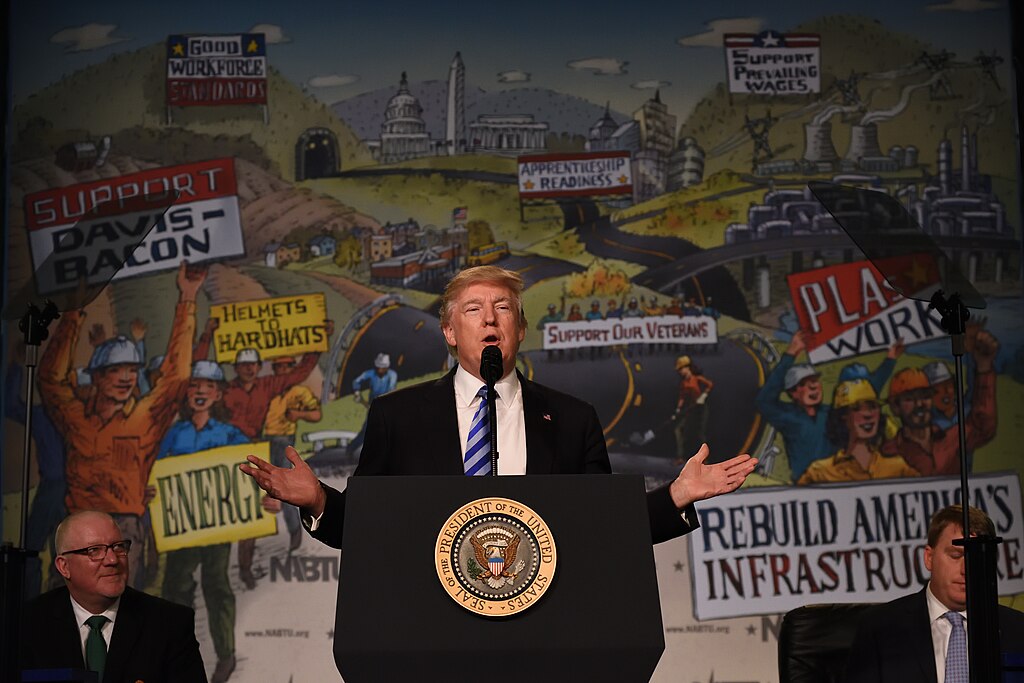
President-elect Donald Trump has articulated a comprehensive approach to cryptocurrency mining regulations set to take effect in 2025. His strategy emphasizes bolstering the domestic crypto industry while implementing measures to ensure financial stability and security.
Encouraging Domestic Cryptocurrency Mining
A cornerstone of Trump's policy is to position the United States as a global leader in Bitcoin mining. He aims to achieve this by offering incentives to domestic mining operations, including tax breaks and access to affordable energy resources. This initiative seeks to increase the nation's share of global Bitcoin production, thereby enhancing economic growth and technological innovation.
Establishing a Strategic Bitcoin Reserve
In a move to integrate digital assets into national financial strategies, Trump plans to create a strategic Bitcoin reserve. This reserve would involve the U.S. government accumulating a significant amount of Bitcoin over a specified period. The objective is to leverage these assets to strengthen the national economy and hedge against potential financial uncertainties.
Implementing Regulatory Oversight
While promoting the growth of the cryptocurrency sector, the administration intends to enforce regulations to address concerns related to fraud, national security, and financial stability. This includes imposing stricter Know Your Customer (KYC) and Anti-Money Laundering (AML) requirements on cryptocurrency exchanges and mandating federal registration for digital wallet providers. The goal is to create a secure environment for investors and prevent illicit activities within the crypto space.
Public Reactions
The proposed policies have elicited varied responses from the public:
-
@CryptoEnthusiast: "Encouraging domestic mining is a step forward, but regulatory clarity is crucial for sustainable growth."
-
@FinancialAnalyst: "A strategic Bitcoin reserve could stabilize the economy, but market volatility remains a concern."
-
@TechInvestor: "Incentives for mining operations may boost innovation, yet environmental impacts must be addressed."
-
@PolicyCritic: "Stricter regulations are necessary to prevent fraud, but they should not stifle industry advancement."
-
@EconomistView: "Integrating digital assets into national reserves is innovative, but requires careful risk assessment."
-
@LegalAdvisor: "Enhanced KYC and AML measures are vital for security, but implementation must balance privacy rights."
Conclusion
President-elect Trump's stance on cryptocurrency mining regulations reflects a dual approach: fostering industry growth through supportive policies and ensuring financial integrity via regulatory oversight. As these measures unfold, their impact on the U.S. crypto landscape will be closely monitored by stakeholders across the financial and technological sectors.







