


 Canadian Dollar Faces Pressure as Fed-BoC Policy Gap Widens
  Australia Unemployment Hits Five-Year High Despite Strong Jobs Growth
  Japanese Yen Rebounds as Trump Flags Currency Weakness
  US Comfortable With Canada Trade Standoff as Import Bans Loom
  US Stock Futures Fall as Treasury Yields Surge Ahead of Trump-Xi Summit
  Trump, Xi Focus on Trade and AI at White House Summit
  Dollar Holds Near Two-Month High as Yen Approaches 160
  Soybean Futures Slip as Traders Await Trump-Xi Trade Signals
  Asian Currencies Mixed as Dollar Holds Near Two-Month High
  Asian Stocks Fall as Bond Yields Surge Ahead of Trump-Xi Summit
  Oil Prices Fall on U.S.-Iran Hormuz Deal Hopes
  RBI Uses $10 Billion Currency Swaps to Drain Excess Rupee Liquidity
  Wall Street Ends Flat as Oil, Treasury Yields and Fed Jitters Rattle Markets
  Oil Prices Jump 3% as Houthi Attack Revives Supply Fears
  Gold Prices Fall as Treasury Yields Rise on Fed Rate Hike Bets
  U.S. Dollar Hits Two-Month High as Oil, Treasury Yields Surge


 Add as a preferred source on Google
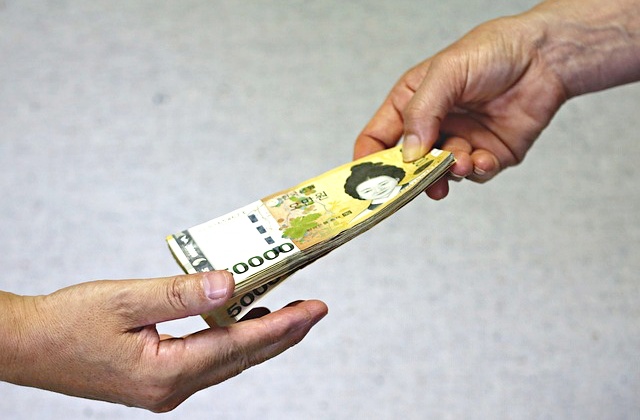
South Korea’s Finance Minister Koo Yun-cheol pledged on Wednesday to take action to stabilise the weakening won, but stopped short of outlining concrete policy measures. His comments come amid growing concern over the currency’s persistent softness and heightened volatility in global financial markets.
During a rare press conference dedicated to the currency market, Koo emphasised that officials were closely monitoring “speculative trading and herd-like behaviour” that may be intensifying downward pressure on the won. He added that the government would consider all available options to support stability but acknowledged structural demand for U.S. dollars continues to weigh on the domestic market.
Despite recent high-level discussions with the National Pension Service (NPS), major exporters, and domestic brokerages, Koo did not present immediate steps to counter rising dollar demand. This disappointed some market participants who had expected more concrete interventions. One local currency trader remarked that market attention had been “extremely high,” but the briefing “was bland.”
Following the press conference, the won retreated from earlier gains, trading 0.3% stronger at 1,465.5 per dollar as of 0420 GMT after reaching a session high of 1,457.0. Earlier this week, it touched its weakest level since early April at 1,479.4 per dollar, deepening concerns about currency stability.
Koo clarified that a new consultative body formed with the NPS is intended to develop long-term strategies balancing investment returns and market stability, rather than mobilising the pension fund for short-term currency support. He also stated that incentives for exporters to repatriate overseas earnings and tax benefits aimed at boosting domestic stock investments are not currently under consideration.
The won has fallen more than 7% in the second half of 2025, pressured by uncertainties surrounding a U.S. trade-related investment package and increased overseas investment by retail investors and the NPS. Meanwhile, the Bank of Korea is widely expected to keep its benchmark interest rate unchanged on Thursday as policymakers juggle currency risks and an overheated housing market.







