


 Oil Prices Surge as U.S.-Iran Diplomacy Hopes Fade
  Asian Stocks Fall as Bond Yields Surge Ahead of Trump-Xi Summit
  Australia Unemployment Hits Five-Year High Despite Strong Jobs Growth
  U.S. Dollar Hits Two-Month High as Oil, Treasury Yields Surge
  Oil Prices Jump 3% as Houthi Attack Revives Supply Fears
  US, China Extend Trade Truce to Jan. 10 Ahead of Trump-Xi Summit
  U.S. Treasury Yields Surge as 30-Year Hits 22-Year High
  Mexico-US Trade Talks Delayed to October as Tariff Negotiations Continue
  US Stock Futures Fall as Treasury Yields Surge Ahead of Trump-Xi Summit
  Japan Private-Sector Growth Slows as Domestic Demand Weakens
  RBI Uses $10 Billion Currency Swaps to Drain Excess Rupee Liquidity
  European Stocks Fall as Bond Yields and Geopolitical Risks Weigh
  U.S. 10-Year Treasury Yield Hits 2007 High as Fed Rate Hike Bets Rise
  Asian Stocks Fall as Surging Bond Yields Rattle Markets
  Asian Currencies Mixed as Dollar Holds Near Two-Month High
  South Korea, US Discuss Warship Building Cooperation
  China’s ‘Lipstick King’ Says AI Won’t Replace Livestream Hosts


 Add as a preferred source on Google
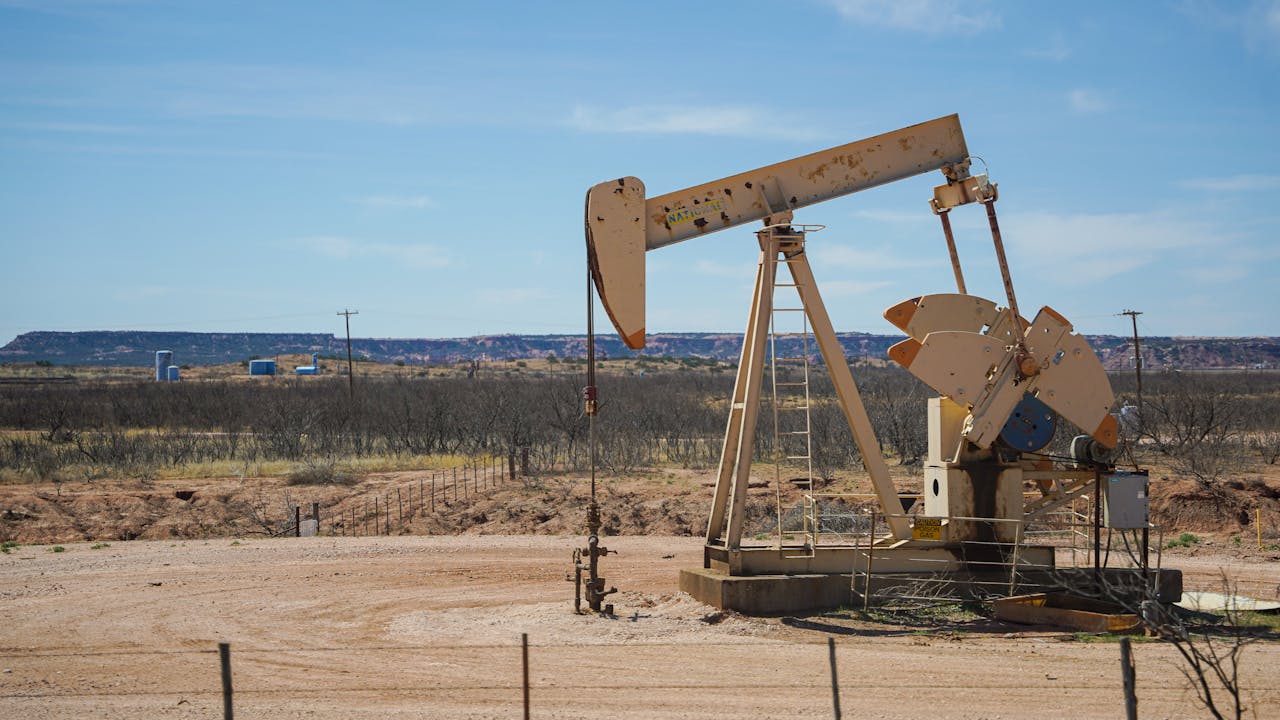
Oil prices are heading for their largest monthly gains in years as escalating Middle East tensions fuel concerns over potential supply disruptions, particularly involving Iran, one of the world’s largest OPEC producers. Global crude benchmarks rose sharply this week, driven by growing geopolitical risk and tighter supply conditions across several key producing regions.
Brent crude futures eased slightly on Friday but remained near multi-month highs, trading around $70 a barrel after a strong rally in the previous session. U.S. West Texas Intermediate (WTI) crude also pulled back modestly but stayed close to its highest level since late September. Despite the minor daily declines, both Brent and WTI are on track for their first monthly gains in six months. Brent has climbed more than 16% in January, marking its strongest monthly performance since early 2022, while WTI is up over 14%, its biggest jump since mid-2023.
Market sentiment has been shaped by rising fears of a possible U.S. military strike on Iran. President Donald Trump has warned Tehran to return to nuclear negotiations or face potential military action, prompting threats of retaliation from Iran. Analysts note that this standoff has added a clear risk premium to oil prices, as traders factor in the possibility of disruptions to Iranian exports or shipping through the strategically vital Strait of Hormuz.
At the same time, supply issues elsewhere have tightened the global oil market. Disruptions in Kazakhstan, Russia, and Venezuela have removed an estimated 1.5 million barrels per day from global supply this month. Severe winter weather in the United States has further reduced crude output, while Kazakhstan is gradually restarting production at the Tengiz oilfield following recent operational setbacks. Russia’s exports have been hit by adverse weather, and Venezuela has faced production challenges amid political upheaval, despite recent moves to ease U.S. sanctions that could support future output growth.
Major banks expect any military action involving Iran to be limited, suggesting that prolonged supply outages remain unlikely. Still, with geopolitical risks elevated and supply constraints lingering, oil markets remain volatile, supporting higher prices in the near term.







