


 Asian Currencies Mixed as Dollar Holds Near Two-Month High
  US 10-Year Treasury Yield at 6% Emerges as New Market Risk Threshold
  Australia Unemployment Hits Five-Year High Despite Strong Jobs Growth
  Asian Stocks Fall as Bond Yields Surge Ahead of Trump-Xi Summit
  Mexico-US Trade Talks Delayed to October as Tariff Negotiations Continue
  Japanese Bank Stocks Surge as Bond Yields Fuel Rate Hike Bets
  Fed Unveils Stablecoin Rules Under GENIUS Act
  China’s ‘Lipstick King’ Says AI Won’t Replace Livestream Hosts
  Gold Holds Near $4,275 as Rising Treasury Yields Fuel Fed Rate Hike Bets
  Wall Street Ends Flat as Oil, Treasury Yields and Fed Jitters Rattle Markets
  Trump, Xi Focus on Trade and AI at White House Summit
  Oil Prices Surge as U.S.-Iran Diplomacy Hopes Fade
  Fed Unveils Stablecoin Rules Under GENIUS Act
  European Stocks Fall as Bond Yields and Geopolitical Risks Weigh
  Russian Envoy Dmitriev Heads to US for Ukraine Talks
  Wall Street Falls as Treasury Yields Surge, Oil Rebounds on Iran Tensions


 Add as a preferred source on Google
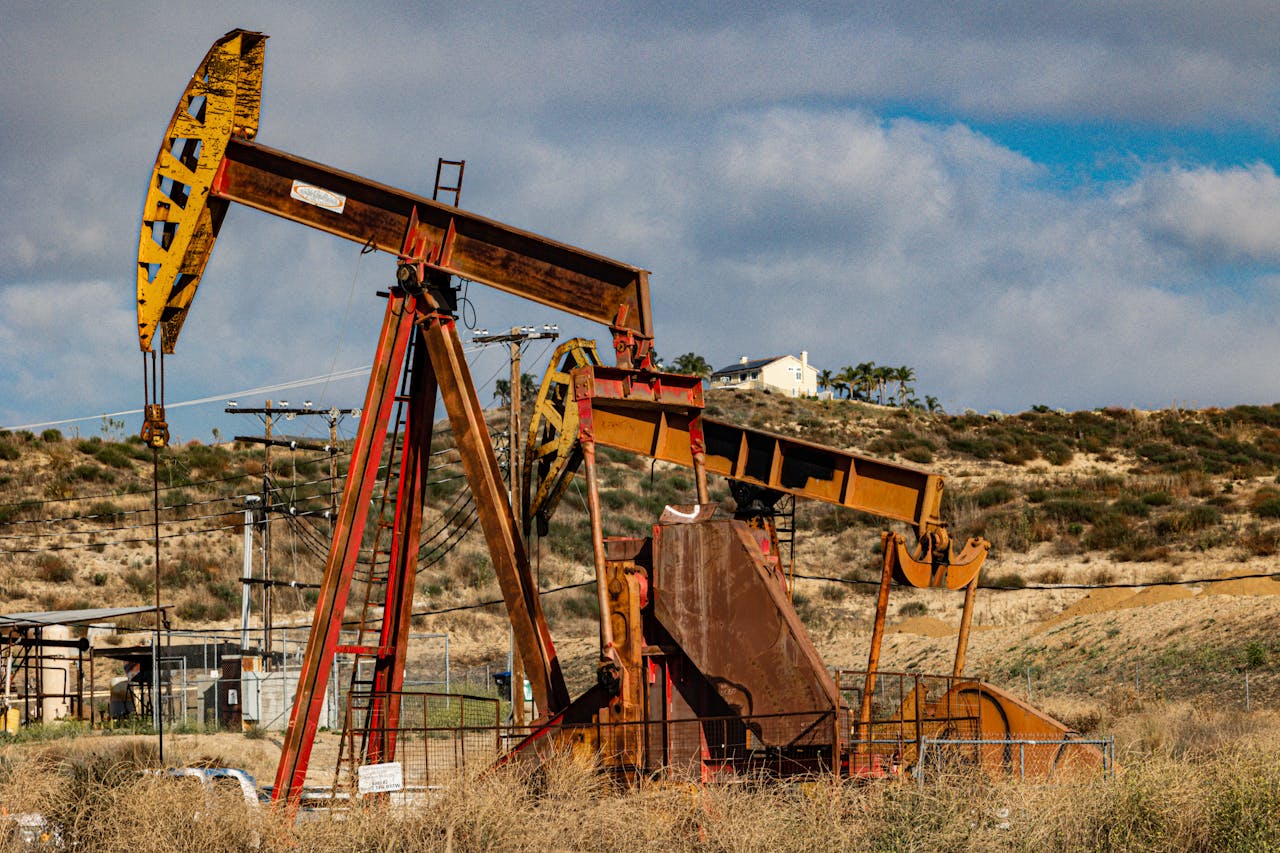
Oil prices fell sharply on Monday, retreating nearly 3% as signs of potential diplomatic engagement between the United States and Iran eased fears of escalating geopolitical conflict. The decline came after U.S. President Donald Trump said over the weekend that Iran was “seriously talking” with Washington, raising hopes of a negotiated nuclear agreement and reducing the risk premium that had recently supported crude prices.
Brent crude futures dropped $1.90, or 2.8%, to $67.39 per barrel by late Monday trading, while U.S. West Texas Intermediate crude also fell $1.90, or 2.9%, to $63.32 per barrel. The pullback followed a strong rally in the previous session, when Brent reached a six-month high and WTI hovered near its strongest level since late September amid heightened U.S.-Iran tensions.
Those earlier gains were driven by concerns that worsening relations between Washington and Tehran could disrupt global oil supply. President Trump had repeatedly warned of possible intervention if Iran failed to agree to a nuclear deal or continued violent crackdowns on protesters. However, sentiment shifted over the weekend after Trump expressed optimism about negotiations, saying he hoped for an agreement that would prevent Iran from obtaining nuclear weapons. Tehran also signaled progress, with senior security official Ali Larijani stating that arrangements for talks were underway.
Market analysts said the softer tone was enough to trigger profit-taking across the oil market. According to IG market analyst Tony Sycamore, traders are interpreting the comments as a step back from confrontation, easing geopolitical risks that were priced into crude during last week’s rally.
Adding to the downward pressure, OPEC+ agreed at a meeting on Sunday to keep oil output unchanged for March. The producer group had already paused previously planned supply increases through March 2026, citing seasonally weaker demand. Analysts note that ample global supply continues to weigh on prices despite periodic geopolitical shocks.
Capital Economics recently described the oil market as fundamentally bearish, warning that even geopolitical flare-ups may have limited long-term impact. With supply well balanced and demand growth uncertain, the firm expects downward pressure on Brent crude prices to persist toward the end of 2026.







