


 Asian Stocks Fall as Surging Bond Yields Rattle Markets
  US, China Extend Trade Truce to Jan. 10 Ahead of Trump-Xi Summit
  Asian Stocks Fall as Bond Yields Surge Ahead of Trump-Xi Summit
  European Stocks Fall as Bond Yields and Geopolitical Risks Weigh
  US Stock Futures Fall as Treasury Yields Surge Ahead of Trump-Xi Summit
  US 10-Year Treasury Yield at 6% Emerges as New Market Risk Threshold
  Oil Prices Ease as Iran Tensions Clash With Diplomacy Hopes
  China’s ‘Lipstick King’ Says AI Won’t Replace Livestream Hosts
  South Korea, US Discuss Warship Building Cooperation
  Australia Unemployment Hits Five-Year High Despite Strong Jobs Growth
  Fed Unveils Stablecoin Rules Under GENIUS Act
  Dollar Holds Near Two-Month High as Yen Approaches 160
  Japanese Bank Stocks Surge as Bond Yields Fuel Rate Hike Bets
  U.S. Dollar Hits Two-Month High as Oil, Treasury Yields Surge
  Soybean Futures Slip as Traders Await Trump-Xi Trade Signals
  Asian Currencies Mixed as Dollar Holds Near Two-Month High
  Mexico-US Trade Talks Delayed to October as Tariff Negotiations Continue


 Add as a preferred source on Google
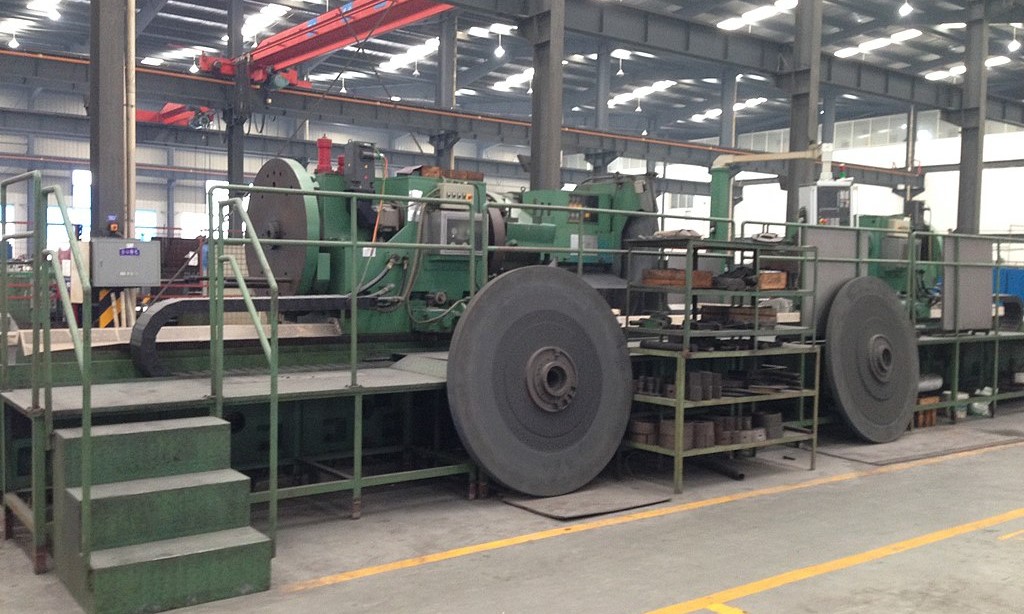
China’s manufacturing activity contracted in January, signaling renewed economic pressure as weak domestic demand weighed heavily on production and orders, according to official data released on Saturday. The official purchasing managers’ index (PMI) for manufacturing fell to 49.3 in January, down from 50.1 in December, slipping below the critical 50-point threshold that separates expansion from contraction. The figure also came in below market expectations, as analysts had forecast a reading of 50.1, highlighting growing concerns about the pace of China’s economic recovery.
The decline in manufacturing PMI was accompanied by notable weakness in key sub-indexes, pointing to softening demand both at home and abroad. The new orders index dropped to 49.2 in January from 50.8 in December, suggesting a slowdown in overall demand. At the same time, new export orders fell further into contraction territory, declining to 47.8 from 49.0, underscoring continued challenges facing China’s export sector amid global economic uncertainty.
Signs of broader economic softness were also evident outside the manufacturing sector. The official non-manufacturing PMI, which measures activity in services and construction, slipped to 49.4 in January from 50.2 in December. This marked its lowest level since December 2022, reflecting weaker momentum in consumer-facing industries and infrastructure-related activity.
Despite these headwinds, China’s economy managed to meet the government’s official growth target of around 5% last year. Growth was largely supported by resilient exports, which held up even as U.S. President Donald Trump’s tariff measures added pressure to global trade flows. However, domestic consumption remained a key drag on growth. Retail sales continued to lose steam in the final quarter of 2025, contributing to fourth-quarter GDP growth slowing to a three-year low.
The latest PMI data suggests that China may need additional policy support to stabilize manufacturing output, boost domestic demand, and restore confidence across both industrial and consumer sectors as it navigates a challenging economic environment in early 2026.







