


 Oil Prices Surge as U.S.-Iran Diplomacy Hopes Fade
  Trump, Xi Focus on Trade and AI at White House Summit
  Asian Stocks Fall as Surging Bond Yields Rattle Markets
  US Stock Futures Fall as Treasury Yields Surge Ahead of Trump-Xi Summit
  Fed Unveils Stablecoin Rules Under GENIUS Act
  Japanese Bank Stocks Surge as Bond Yields Fuel Rate Hike Bets
  Oil Prices Ease as Iran Tensions Clash With Diplomacy Hopes
  European Stocks Fall as Bond Yields and Geopolitical Risks Weigh
  Asian Stocks Fall as Bond Yields Surge Ahead of Trump-Xi Summit
  Russian Envoy Dmitriev Heads to US for Ukraine Talks
  Gold Prices Fall as Treasury Yields Rise on Fed Rate Hike Bets
  Fed Unveils Stablecoin Rules Under GENIUS Act
  U.S. Dollar Hits Two-Month High as Oil, Treasury Yields Surge
  RBI Uses $10 Billion Currency Swaps to Drain Excess Rupee Liquidity
  Japan Private-Sector Growth Slows as Domestic Demand Weakens
  Soybean Futures Slip as Traders Await Trump-Xi Trade Signals
  U.S. Treasury Yields Surge as 30-Year Hits 22-Year High


 Add as a preferred source on Google
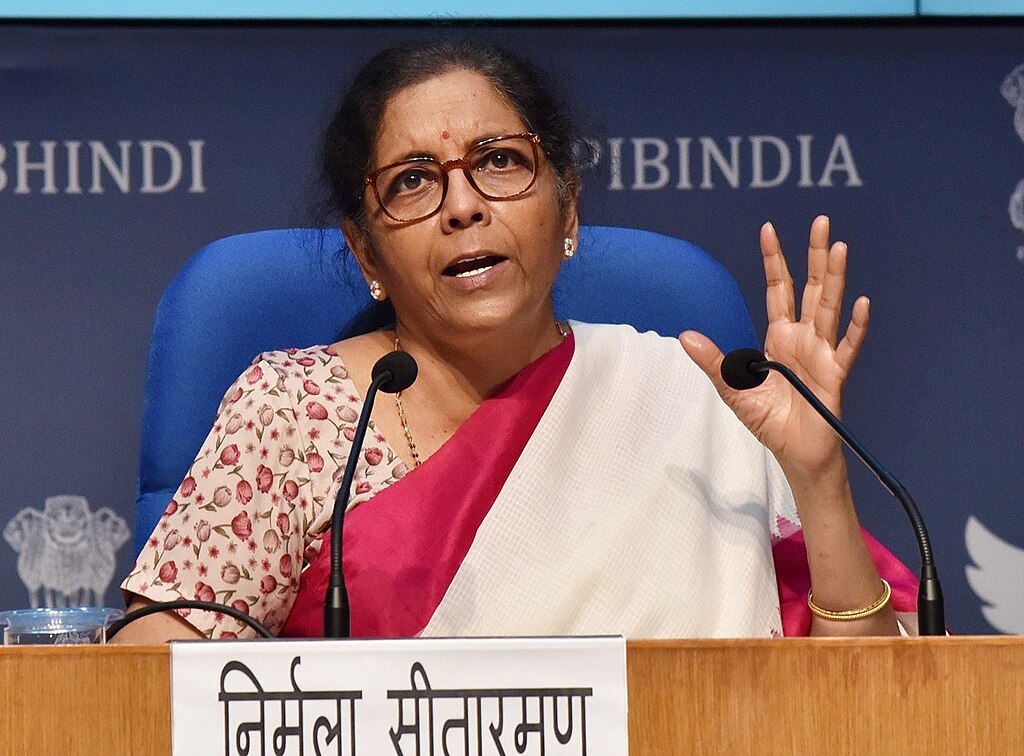
India’s central government is set to present its annual budget on Sunday, a closely watched event as Prime Minister Narendra Modi’s administration seeks to accelerate domestic reforms while navigating rising global uncertainties. Finance Minister Nirmala Sitharaman will unveil the budget for the next fiscal year at 11 a.m. local time, with expectations that it will focus on strengthening India’s economic resilience amid challenges such as steep U.S. tariffs, slowing global growth, and heightened geopolitical tensions.
The budget comes at a time when the government must balance reform ambitions with fiscal discipline. Recent income and consumption tax cuts are expected to reduce government revenue by around 1.5 trillion rupees, or roughly $16 billion, in the current fiscal year. As a result, New Delhi is under pressure to control spending as a share of gross domestic product while sticking to its deficit target of 4.4% of GDP for the 12 months ending in March.
Speaking ahead of the release of the government’s annual economic survey, Prime Minister Modi emphasized a shift toward long-term solutions aimed at fostering predictability and global trust. The survey projected India’s economic growth at between 6.8% and 7.2% for the fiscal year beginning in April, underscoring the country’s position as one of the world’s fastest-growing major economies.
In recent months, the Modi government has introduced a series of policy reforms to boost private investment and domestic demand. These include tax relief measures, a sweeping overhaul of labour laws, and initiatives to open up the traditionally tightly regulated nuclear power sector. More reforms are widely expected in the upcoming budget, particularly those aimed at improving ease of doing business and attracting foreign investment.
Manufacturing remains a central focus of the government’s economic strategy. Officials are preparing a third major push to raise manufacturing’s share of the economy, alongside plans to ease investment rules in defence manufacturing. Gross government borrowing is projected to increase to between 16 trillion and 16.8 trillion rupees in the next fiscal year, up from 14.6 trillion rupees currently.
On the global front, India is pursuing trade diversification to cushion the impact of external shocks, including recently imposed U.S. tariffs of up to 50% on certain Indian exports. A landmark trade agreement with the European Union is among the steps being taken to protect growth and strengthen India’s long-term economic outlook.







