


 Oil Prices Climb as Iran Reviews U.S. Peace Proposal Amid Middle East Tensions
  Oil Prices Plunge Over 6% as Middle East Ceasefire Hopes Ease Supply Fears
  J.P. Morgan Now Expects Two ECB Rate Hikes Amid Inflation Pressures
  Bank of Japan Holds Rates Steady Amid Inflation Concerns and Yen Weakness
  Asian Stocks Gain Amid Iran Conflict Uncertainty
  Bank of Japan Officials Signal Continued Interest Rate Hikes Amid Inflation Concerns
  Australia's Inflation Eases in February but Core Pressures Persist
  U.S. Futures Slide as Iran Denies Nuclear Talks with Washington
  Australia-EU Free Trade Deal Signed After Years of Negotiations
  Global Central Banks Hold Rates Amid Iran War-Driven Energy Price Surge
  RBA Set to Hike Rates Again Amid Inflation Surge and Global Uncertainty
  Wall Street Slides as Iran War Uncertainty, Oil Surge, and AI Fears Rattle Markets
  Federal Reserve Balance Sheet Reduction: Brookings Research Outlines Possible Path Forward
  Goldman Sachs Raises ECB Rate Hike Forecast Amid Persistent Energy-Driven Inflation


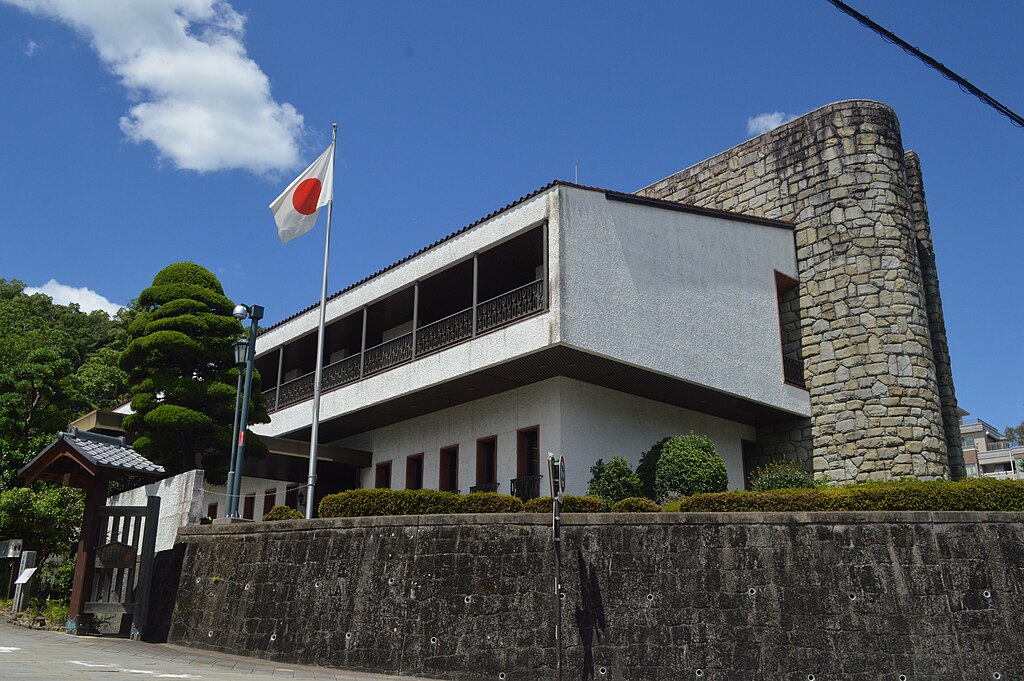
Bank of Japan (BOJ) policymakers are increasingly concerned that persistent price pressures driven by a weak yen could leave the central bank “behind the curve” in managing inflation, according to a summary of opinions from its January policy meeting released on Monday. The discussions highlight growing debate within the BOJ over the timing and pace of future interest rate hikes as Japan navigates a changing global interest rate environment.
Several policymakers warned that shifts in overseas interest rates could intensify inflationary risks at home. One member cautioned that if global financial conditions change this year, the BOJ could unintentionally lag in responding to rising inflation, stressing the importance of gradually lifting Japan’s real interest rates out of negative territory. Another opinion echoed this concern, noting that while the risk of falling behind the curve has not yet fully materialized, acting too late could undermine price stability. As a result, the need for timely interest rate increases is becoming more critical.
At its January 22–23 meeting, the BOJ decided to keep its policy interest rate steady at 0.75%. This followed a recent rate hike in December that brought borrowing costs to their current level. Despite holding rates unchanged, the central bank maintained a hawkish stance, reaffirming its inflation forecasts and signaling readiness to continue tightening monetary policy if price pressures persist.
The weak yen has been a key factor in pushing up import costs, contributing to higher consumer prices and complicating the BOJ’s long-standing efforts to normalize policy after years of ultra-loose monetary settings. With inflation remaining above the central bank’s target and global interest rates still elevated, markets are closely watching for signals on when the BOJ might raise rates again.
The latest BOJ commentary underscores a delicate balancing act: supporting economic growth while preventing inflation from becoming entrenched. As external conditions evolve, policymakers appear increasingly aware that delaying action could heighten risks, reinforcing expectations that Japan’s era of near-zero interest rates may be drawing closer to a decisive shift.













