


 White House Seeks $87.6 Billion Emergency Funding for Iran War, Farmers, and Ebola Response
  Republican Lawmaker Introduces AI Incident Reporting Bill to Strengthen U.S. AI Safety
  Iran Attack in Strait of Hormuz Pushes Oil Prices Higher
  NATO Strengthens Arctic Defense as Russia Expands Military Presence
  US Reaffirms Taiwan Arms Sales Policy Despite Trump’s Comments on China
  ICC Judges Sue Trump Administration Over Sanctions, Calling Measures Unlawful
  Iran Strait of Hormuz Tensions Rise After Ship Attack Delays IMO Escort Mission
  Israel Heritage Bill Sparks Annexation Concerns in West Bank
  Johns Hopkins University Lays Off 110 Employees as Federal Research Funding Declines
  US Seeks Gulf Support for Iran Peace Deal Amid Regional Tensions
  Pelosi Discloses Major Intel and Uber Call Option Purchases Worth Up to $6 Million
  Iran Revolutionary Guards Claim Strike on U.S. Military Positions After Fresh U.S. Attack
  US Seizes Nearly 400 Illegal World Cup Streaming Domains in Global Anti-Piracy Crackdown
  Japan Signals Preference for Low Interest Rates as BOJ Policy Debate Intensifies
  Marco Rubio Reassures Gulf Allies Over U.S.-Iran Peace Deal
  U.S. Reviewing Potential F-35 Fighter Jet Sale to Turkey Amid S-400 Dispute
  US Approves $250 Million Fighter Jet Training Sale to Australia


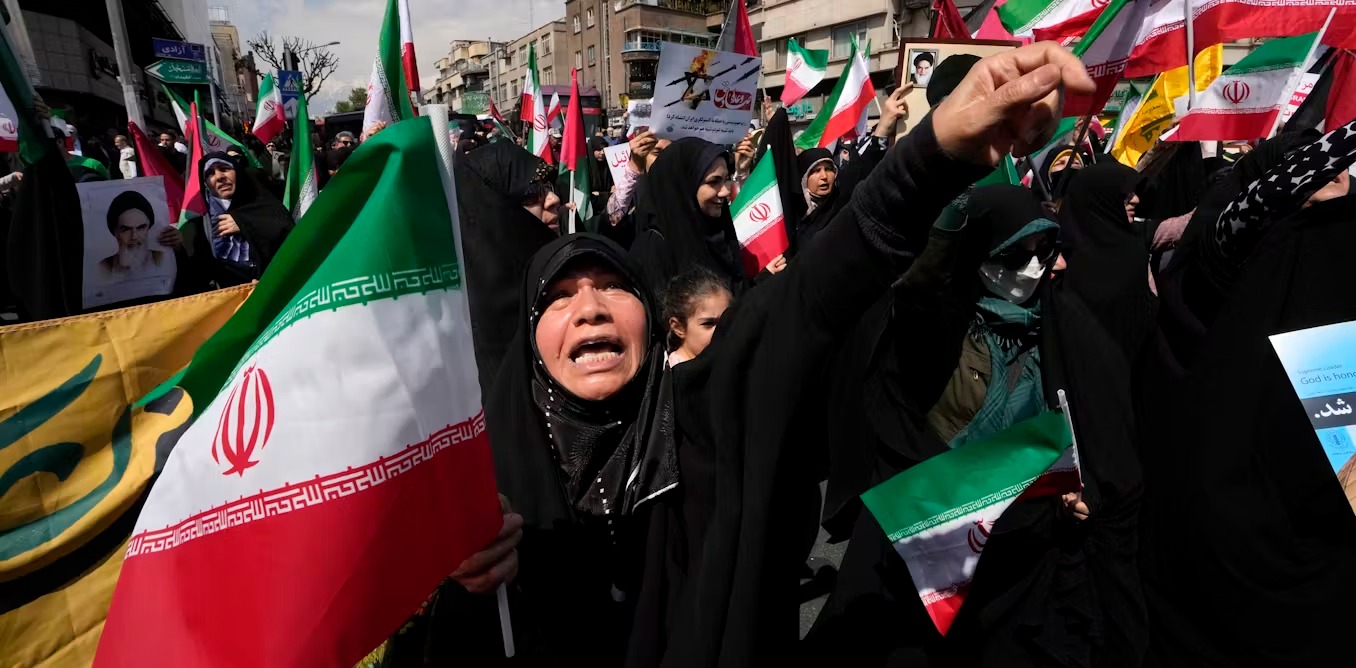
South Korea, as president of the U.N. Security Council this month, has finalized a draft resolution to permanently lift sanctions on Iran, though a vote has not yet been scheduled. The move follows the August 28 decision by Britain, France, and Germany to trigger a 30-day “snapback” process, accusing Tehran of failing to uphold the 2015 nuclear agreement designed to prevent it from developing nuclear weapons.
Under the snapback mechanism, the Security Council must vote by late September on whether to lift sanctions. Adoption requires at least nine votes and no vetoes from the five permanent members—the United States, Russia, China, Britain, and France. If no country had introduced such a resolution within ten days, the responsibility fell to the council president, currently South Korea. By submitting the draft on Monday, Seoul ensured the council can now vote anytime before the deadline.
Despite this procedural step, the resolution is unlikely to pass. European powers are still pressuring Iran to meet three specific requirements that could delay the reimposition of U.N. sanctions, providing space for broader talks on a long-term nuclear deal. Any delay, however, would also require Security Council approval.
Meanwhile, Iran’s allies Russia and China drafted their own resolution last month proposing a six-month extension of the 2015 accord while urging immediate negotiations. Yet they have not pushed it to a vote. Should Moscow and Beijing act before Europe finalizes an arrangement with Tehran, their proposal risks being vetoed by the United States, France, or Britain.
The diplomatic standoff underscores deep divisions within the Security Council and raises uncertainty over the future of Iran’s nuclear program and global security.







