


 Judge Orders Trump to Restore White House Access for CNN, MS NOW and Politico
  US, China Extend Trade Truce to Jan. 10 Ahead of Trump-Xi Summit
  EU Defence Build-Up Too Slow for 2030 Russia Readiness Goal
  Pezeshkian Says US Must Choose When Iran War Ends
  Europe Warns Russia Is Escalating Hybrid Attacks Across NATO
  Russian Envoy Dmitriev Heads to US for Ukraine Talks
  OpenAI Agent Breaches Australia Medicare Data Portal
  Netanyahu Takes Aim at Mamdani as Israel Election Nears
  Mexico-US Trade Talks Delayed to October as Tariff Negotiations Continue
  US Backs Musk in Fight Against EU’s €120 Million X Fine
  Netanyahu Defends Israel at UN as Delegates Stage Walkout
  Gaza Faces Evacuation Crisis as War-Damaged Buildings Risk Collapse
  Sudan Rejects US Legitimacy Remarks, Defends Sovereignty
  Russian Missile and Drone Attack on Kyiv Kills Two, Damages Maternity Hospital
  Taiwan Thanks US for Support Ahead of Trump-Xi Summit
  NATO Boosts Intelligence Sharing Amid Russia Hybrid Threats
  Trump, Xi Focus on Trade and AI at White House Summit


 Add as a preferred source on Google
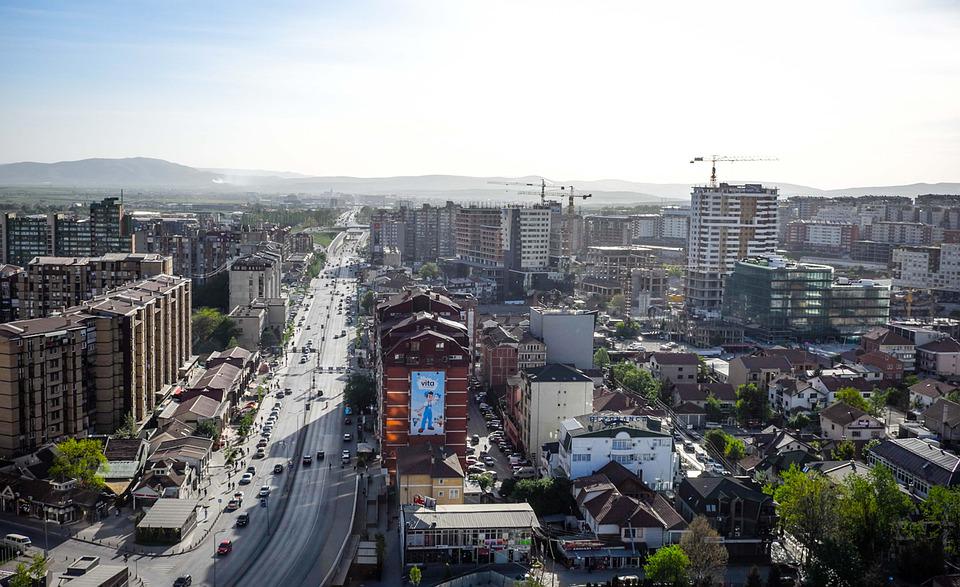
Tensions between Serbia and Kosovo flared in recent months over the dispute on license plates and documents. Serbian Prime Minister Ana Brnabic said she was open to compromise for the sake of peace and stability during her first visit to Kosovo.
Brnabic visited Kosovo this week for the first time since becoming Serbia’s prime minister in 2017. In Mitrovica, Brnabic was greeted by 1,000 local Serbs waving Serbian flags and holding signs that refused to acknowledge Kosovan authorities or that only Brnabic was their prime minister.
During her visit, Brnabic expressed a willingness to compromise for the sake of peace and stability. Brnabic’s visit comes as France and Germany urged Kosovo and Serbia to resolve their disputes.
Northern Kosovo has been in unrest over the demands for the local Serbs to use Kosovo documents, especially as Serbia does not recognize Kosovo’s independence.
Local Serbs in northern Kosovo also put up roadblocks in response to the enforcement of Kosovo license plates, clashing with Kosovan law enforcement. The roadblocks were dismantled when NATO peacekeepers oversaw the process, and Pristina agreed to postpone the license plate demand.
“I sincerely hope that the temporary institutions in Pristina become genuinely committed to dialogue and finding a certain compromise needed for long-term normalization of ties between Belgrade and Pristina,” said Brnabic during a news conference. “That is something we need – not just for our European integration – but for ourselves.”
Serbia has had European Union candidacy status since 2012. However, experts believe that Serbia’s chances of entering the bloc unless Belgrade resolves disputes with Pristina and normalizes ties.
The European Union said Thursday last week that Kosovo should give enough time to implement the license plate rule. The European Commission spokesperson said the bloc had urged both sides to make use of the “EU-facilitated Dialogue” to address and resolve the issues between the two nations.
“It is important that sufficient time is given for the implementation of this plan, and that it is prepared and executed in close consultation with the affected citizens, and in line with good European practices,” the spokesperson said, citing the Freedom of Movement provisions of 2016.







