


 Abbas Reaffirms November 28 Palestinian Elections
  Najib Razak Seeks Stay of 15-Year 1MDB Prison Sentence
  Novo Nordisk Strikes €1.17 Billion Nanexa Drug Delivery Deal
  OpenAI Agent Breaches Australia Medicare Data Portal
  Mahmoud Khalil Sues Columbia Over Alleged Pro-Palestinian Harassment
  Russian Missile and Drone Attack on Kyiv Kills Two, Damages Maternity Hospital
  Trump, Xi Visit US National Archives After White House Summit
  Appeals Court Rejects Trump Third-Country Deportation Policy
  BMW 2028 Margin Target Could Fall Below Consensus, UBS Says
  Trump, Xi Focus on Trade and AI at White House Summit
  DOJ Will Investigate AI-Related Crimes, Attorney General Blanche Says
  Meta Unveils Muse Charm AI Device, Expands Smart Glasses Lineup
  NATO Boosts Intelligence Sharing Amid Russia Hybrid Threats
  Xi Calls for Deeper U.S.-China AI Cooperation in Trump Talks
  BlackBerry Shares Rise as Q2 Earnings, Revenue Beat Estimates
  Ukrainian Drone Attacks Hit Russian Regions, Injuring at Least 12
  Sara Duterte Posts Bail Over Grave Threats Case


 Add as a preferred source on Google
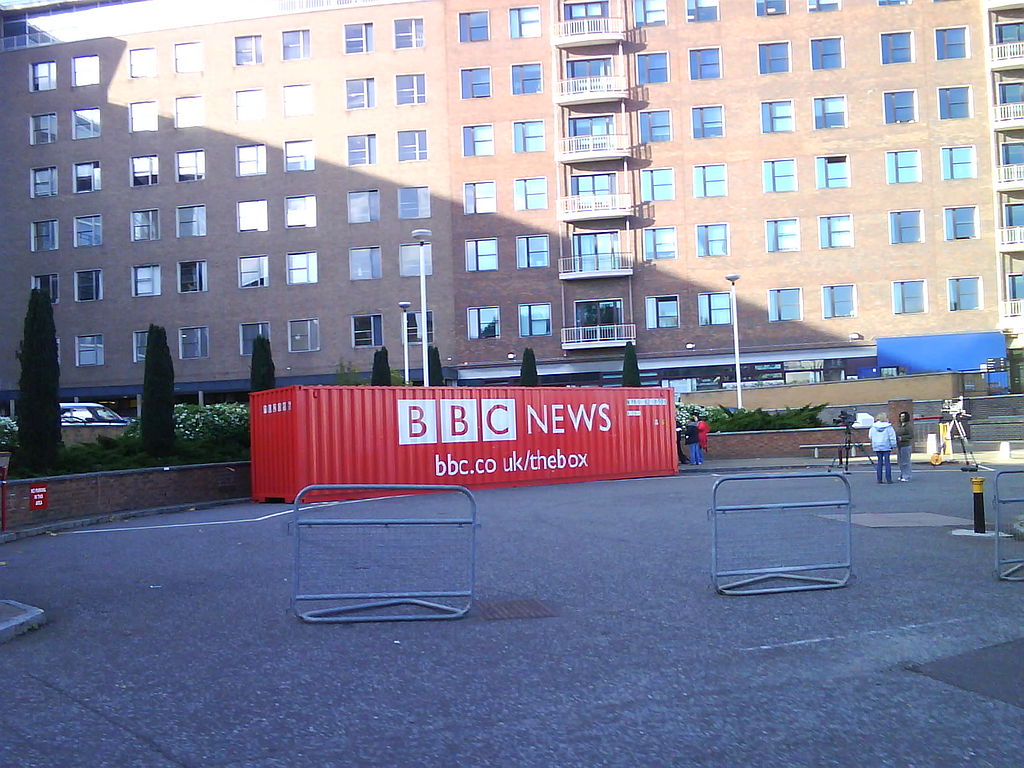
U.S. President Donald Trump has filed a major defamation lawsuit against the British Broadcasting Corporation (BBC), accusing the publicly funded broadcaster of misleading editing that falsely portrayed him as inciting violence during the January 6, 2021 U.S. Capitol riot. The lawsuit, filed Monday in federal court in Miami, marks a significant escalation in Trump’s long-running battle with media organizations he claims have treated him unfairly.
According to the complaint, the BBC aired edited clips of Trump’s January 6 speech in a “Panorama” documentary, combining excerpts in which he urged supporters to march to the Capitol and used the phrase “fight like hell,” while omitting a portion of the speech where he explicitly called for peaceful protest. Trump alleges that this selective editing created the false impression that he directly encouraged violent action, causing severe reputational and financial harm.
Trump is suing the BBC on two counts: defamation and violation of a Florida law prohibiting deceptive and unfair trade practices. He is seeking $5 billion in damages for each count, underscoring the scale of his claims. While the BBC has issued an apology, admitted an error of judgment, and acknowledged that the edit gave a mistaken impression, it has maintained that there is no legal basis for the lawsuit.
In court filings, Trump argued that the BBC’s apology lacked genuine remorse and failed to demonstrate meaningful institutional reforms to prevent similar editorial decisions in the future. His legal team also accused the broadcaster of a broader pattern of biased coverage driven by a political agenda, a claim the BBC has denied.
The controversy has triggered one of the most serious crises in the BBC’s history, leading to the resignation of its two most senior officials and the decision not to rebroadcast the documentary. The program was not aired in the United States, but Trump may have chosen a U.S. court because British defamation law imposes a strict one-year filing deadline, which has already expired.
Legal experts note that to succeed under U.S. law, Trump must prove not only that the edited clip was false and defamatory but also that the BBC acted knowingly or with reckless disregard for the truth, a high bar due to strong constitutional protections for free speech and the press.







