


 Mexico-US Trade Talks Delayed to October as Tariff Negotiations Continue
  North Korea Rejects Nuclear Test Warning, Calls Nuclear Status Irreversible
  Netanyahu Defends Israel at UN as Delegates Stage Walkout
  What ‘Taiwan Independence’ Means as Xi Presses Trump on US Policy
  Ghana Says Western Support Growing for Slave Trade Reparations
  US Senate Rejects Iran War Powers Resolution in 50-49 Vote
  South Korea, US Discuss Warship Building Cooperation
  Xi Calls for Deeper U.S.-China AI Cooperation in Trump Talks
  Najib Razak Seeks Stay of 15-Year 1MDB Prison Sentence
  Trump Asks Supreme Court to Restore Third-Country Deportations
  Abbas Reaffirms November 28 Palestinian Elections
  NATO Boosts Intelligence Sharing Amid Russia Hybrid Threats
  Russian Missile and Drone Attack on Kyiv Kills Two, Damages Maternity Hospital
  OpenAI Agent Breaches Australia Medicare Data Portal
  Taiwan Thanks US for Support Ahead of Trump-Xi Summit
  EU Defence Build-Up Too Slow for 2030 Russia Readiness Goal
  Netanyahu’s Brief US Trip Highlights Strains With Trump


 Add as a preferred source on Google
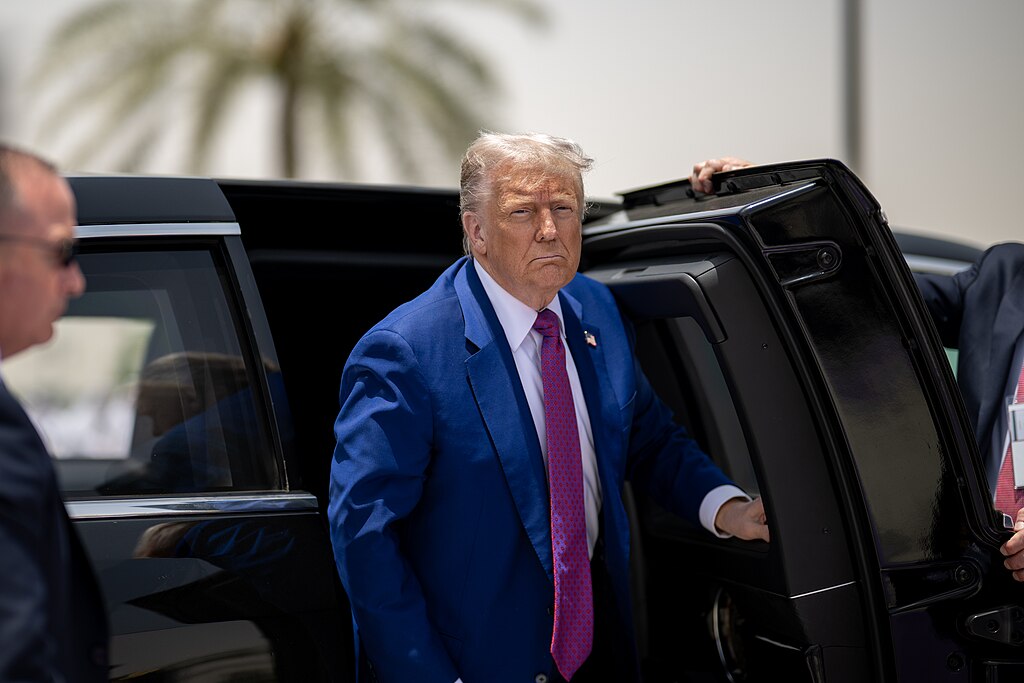
The United States has suspended a major technology partnership with the United Kingdom that was designed to strengthen cooperation in artificial intelligence, quantum computing, and civil nuclear energy, according to a report by the Financial Times. The move marks a significant setback in U.S.-UK tech relations and highlights growing trade tensions between the two allies.
British officials confirmed that the U.S. halted the agreement last week. The deal, known as the “Tech Prosperity Deal,” was originally agreed upon in September during U.S. President Donald Trump’s visit to Britain. It aimed to deepen collaboration in cutting-edge technologies, boost innovation, and reinforce strategic ties between the two countries in key future-facing sectors.
According to the Financial Times, the Trump administration is now pressing Britain to make concessions beyond the scope of the technology agreement, particularly in broader trade negotiations. U.S. officials have reportedly grown increasingly frustrated with what they see as Britain’s reluctance to address non-tariff trade barriers. These include regulatory frameworks governing food standards, agricultural imports, and industrial goods, which Washington views as obstacles to freer trade.
The suspension reflects a broader pattern in U.S. trade policy under President Trump, who has consistently pushed trading partners to reduce regulatory barriers and open markets to American goods and services. While the technology deal focused on cooperation rather than tariffs, U.S. negotiators appear to be leveraging it as part of a wider strategy to extract trade-related concessions.
Reuters noted that it was unable to independently verify the Financial Times report. Both the White House and the British government declined to immediately comment on the matter, leaving uncertainty about how long the suspension may last or what specific concessions the U.S. is seeking.
The United States remains Britain’s largest trading partner, and American technology companies have invested billions of dollars in the UK, particularly in areas such as cloud computing, artificial intelligence research, and digital infrastructure. Analysts warn that prolonged tensions could undermine investor confidence and slow progress in emerging technologies that both countries consider strategically vital.
As negotiations continue, the future of the U.S.-UK tech partnership will likely depend on whether broader trade disputes can be resolved without derailing cooperation in critical innovation-driven sectors.







