


 Trump and Merck KGaA Partner to Slash IVF Drug Costs and Expand Fertility Coverage
  FDA Lifts REMS Requirement for CAR-T Cell Cancer Therapies
  Blue Origin’s New Glenn Achieves Breakthrough Success With First NASA Mission
  NASA Partners with Katalyst to Save Swift Observatory with Innovative Docking Mission
  Tabletop particle accelerator could transform medicine and materials science
  Neuralink Expands Brain Implant Trials with 12 Global Patients
  NASA Astronauts Wilmore and Williams Recover After Boeing Starliner Delay
  Trump Signs Executive Order to Boost AI Research in Childhood Cancer
  Lost in space: MethaneSat failed just as NZ was to take over mission control – here’s what we need to know now
  SpaceX Starship Explodes in Texas During Test, Citing Nitrogen Tank Failure
  SpaceX’s Starship Completes 11th Test Flight, Paving Way for Moon and Mars Missions


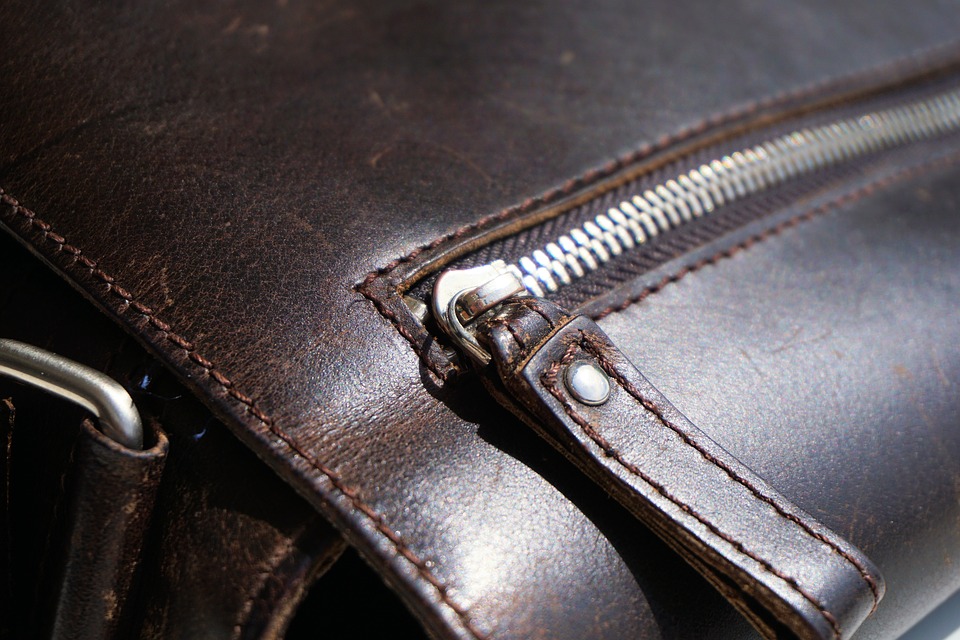
Leather has become a much more controversial topic over the last few decades than it was centuries ago when it was more a product of necessity than a luxury. These days, people use leather for bags, shoes, belts, jackets and upholstery, which is a practice that vegans and animal rights activists are livid about. In an attempt to find a middle ground, scientists have created two ways to create leather using mushrooms and a popular tea.
The first artificial leather breakthrough on the agenda is the work of MycoWorks, which makes use of the fungi called mycelium. Using its unique properties of having naturally adaptive microfibers, the company is able to manipulate the properties of the mushroom to suit their needs. As the company’s CTO Phil Ross explains, this made it perfect for turning into leather.
“Fungi are very sensitive; they will change their growth in relationship to how they’re being poked and things like that,” Ross said. “You put it in a cup, it would take the shape of a cup.”
In the case of altering the mushroom’s properties to take on the aspects of animal leather, the scientists had to change things like humidity, diet, the level of exposure to light, and even the gasses that it would be exposed to. Depending on how much or how little they changed, the scientists could make the byproduct as strong and as flexible as they wanted.
Another artificial method of creating leather was developed by researchers and fashion designers in Australia. Speaking to Huffington Post, Alice Payne explained how she and her team managed to use kombucha tea to create vegan leather.
The team combined the rising tea product’s liquid state with yeast in order to create something called a “pellicle,” which is a stretchy and tough byproduct. Once dried, this becomes the leather substitute that practically anyone can make.













