


 Neuralink Expands Brain Implant Trials with 12 Global Patients
  Tabletop particle accelerator could transform medicine and materials science
  NASA Resumes Cygnus XL Cargo Docking with Space Station After Software Fix
  Eli Lilly’s Inluriyo Gains FDA Approval for Advanced Breast Cancer Treatment
  Is space worth the cost? Accounting experts say its value can’t be found in spreadsheets
  FDA Lifts REMS Requirement for CAR-T Cell Cancer Therapies
  Blue Origin’s New Glenn Achieves Breakthrough Success With First NASA Mission
  Trump Signs Executive Order to Boost AI Research in Childhood Cancer
  Lost in space: MethaneSat failed just as NZ was to take over mission control – here’s what we need to know now
  SpaceX Starship Test Flight Reaches New Heights but Ends in Setback
  CDC Vaccine Review Sparks Controversy Over Thimerosal Study Citation


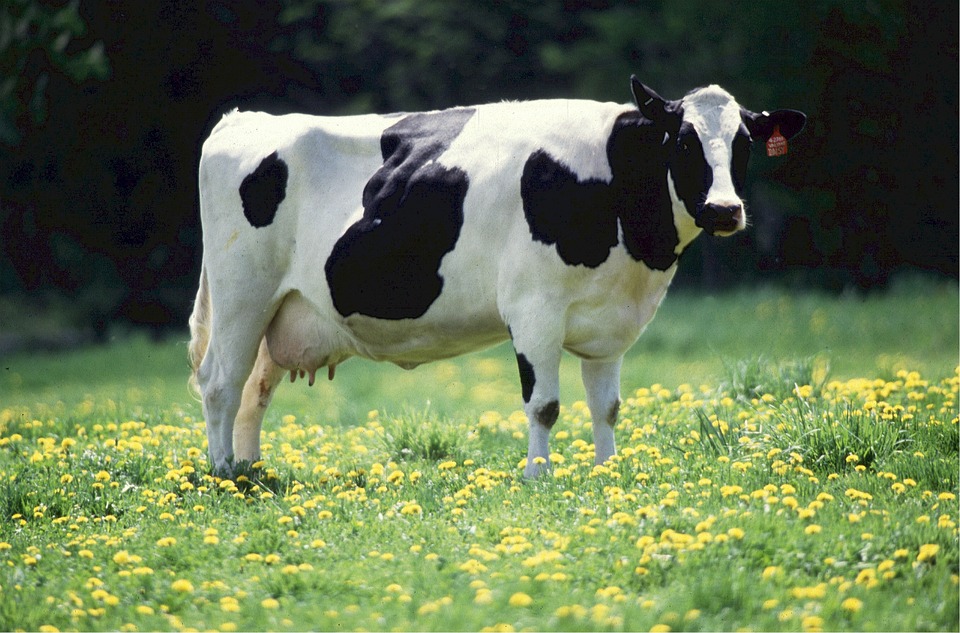
By using a powerful gene-editing tool in CRISPR, scientists were able to immunize cows to bovine tuberculosis, which is a dangerous disease that can actually be transmitted to humans. This development could have a huge impact on how livestock is raised all over the world, especially with regards to the use of antibiotics.
Injecting cows and other livestock with antibiotics, mixing antibiotics in their feeds, and even spraying them with antibiotics is a fairly common practice in farms all over the world with the simple goal being to keep as many of them alive as possible. Unfortunately, this has resulted in the widespread complaint of meat having too much antibiotic and the growth of drug-resistant bacteria, Futurism reports.
Then again, there is still a very real threat when it comes to cross-contamination, which scientists can’t simply ignore. This is why the development of methods to genetically make animals immune to diseases via CRISPR has become so important.
Researchers from China’s Northwest A&F University were the ones who made certain cow specimens immune to the deadly respiratory disease. The scientists basically injected 20 bovines with cells that were genetically edited in order to have considerable resistance against TB. Although 9 cows died after 3 months, 11 lived to become even more resistant.
According to Suk See De Ravin, a Laboratory of Host Defenses researcher, which falls under the U.S. National Institutes of Allergy and Infectious Diseases, this new method offers a much safer alternative to what farmers are currently doing. For one thing, it’s basically immunizing the cows instead of pumping them full of chemicals.
“I think this is a very neat study that demonstrates the feasibility of introducing a desired gene of interest via a potentially safer way,” De Ravin explains.
De Ravin did add that more study is needed in order to confirm safety anyway. Farmers can’t simply start injecting cows with strange cells and expect everything to turn out fine.













