


 Senate Democrats Say Tether USDT Helps Iran Evade Sanctions
  California Bans Memecoins Issued by Public Officials Under New Law
  OpenAI, Anthropic CEOs Summoned to Australia AI Inquiry
  Taiwan Says U.S. Arms Sales Protect Chip Supply
  Germany Political Risks Rise as Merz Faces Coalition Pressure
  Iran Holds Firm on Hormuz Reopening Terms Despite Trump Rejection
  Russian Bomb Strike on Kharkiv Injures 22, Including Children
  National Rally Secures French Senate Caucus for First Time
  China, US Extend Trade Truce Through January 10 After Trump-Xi Summit
  Colombia Extradites FARC Dissident Leader ‘Spider’ to US
  South Africa Seeks US Talks Despite Visa Restrictions
  Evan Gershkovich Says FSB Set Trap for 2023 Russia Arrest
  UK Police Arrest Five in RAF Fairford Terror Probe
  Iran Says Diplomacy Only Path to End U.S.-Israel Conflict
  UK PM Burnham to Unveil Economic Vision at Labour Conference
  UK PM Burnham Signals Social Care Tax Changes, Questions Heathrow Expansion
  Taiwan Pushes Back on China’s World War Two Narrative After Trump-Xi Summit


 Add as a preferred source on Google
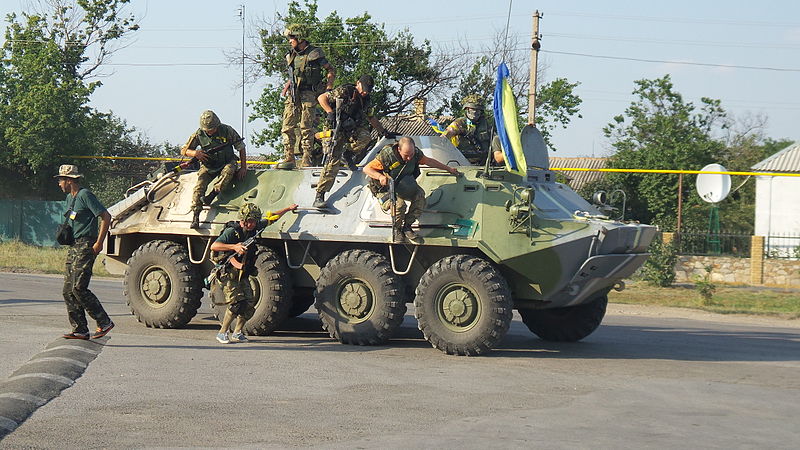
As tensions mount between Russia, the US, and Ukraine, officials from Moscow and Washington are to address the situation this week. The discussions between Russian and US officials center around the situation at the border between Russia and Ukraine, as well as the demands Moscow has made.
The negotiations this week come as a buildup of Russian troops at the border it shares with Ukraine has led to fears of a possible invasion. It also comes as Moscow demands wide-ranging guarantees from the US and NATO. The US has repeatedly warned that Russia would face severe sanctions if it decides to invade Ukraine.
US Deputy Secretary of State Wendy Sherman and her Russian counterpart, Deputy Foreign Minister Sergei Ryabkov opened their discussion at the US mission in Geneva, Switzerland. Both have already previously met Sunday though informally. Ryabkov told Russian media that their first meeting was “difficult.”
State news agency RIA Novosti reported Monday that Ryabkov said that he does not think Washington is taking Moscow’s demands for NATO to cease expanding the alliance eastward seriously.
“Are they ready to give legal guarantees that this country, as well as other countries…will not join NATO?” said Ryabkov, referring to a pledge made in 2008 by NATO to consider offering Georgia and Ukraine membership into the alliance. “I have a rather pessimistic forecast in this regard.”
The US State Department said that Sherman stressed the “freedom of sovereign nations to choose their own alliances,” during the discussions with Ryabkov.
Ahead of the discussions between the US and Russia, NATO Secretary-General Jens Stoltenberg warned to be prepared for the possibility of the talks falling through. Stoltenberg also reiterated the warning that should Russia use military force against Ukraine, severe sanctions will follow.
“We need to be prepared for the possibility that the talks break down and that diplomacy will fail, And that’s exactly why we are sending a very clear message to Russia that if they once again decide to use military force against a neighbor, then there will be severe consequences, a high price to pay – economic sanctions, financial sanctions, political sanctions,” said Stoltenberg.







