


 Abbas Reaffirms November 28 Palestinian Elections
  Gold Holds Near $4,275 as Rising Treasury Yields Fuel Fed Rate Hike Bets
  U.S. Dollar Hits Two-Month High as Oil, Treasury Yields Surge
  South Korea, US Discuss Warship Building Cooperation
  Kremlin Says No Decision Yet on Putin-Trump December Summit
  OpenAI Agent Breaches Australia Medicare Data Portal
  EU Defence Build-Up Too Slow for 2030 Russia Readiness Goal
  Mexico-US Trade Talks Delayed to October as Tariff Negotiations Continue
  Najib Razak Seeks Stay of 15-Year 1MDB Prison Sentence
  Asian Stocks Fall as Bond Yields Surge Ahead of Trump-Xi Summit
  Trump, Xi Focus on Trade and AI at White House Summit
  European Stocks Fall as Bond Yields and Geopolitical Risks Weigh
  Judge Orders Trump to Restore White House Access for CNN, MS NOW and Politico
  Yemen Violence Displaces 130,000 as Civilian Toll Rises
  France Defends Netanyahu Airspace Clearance Despite ICC Warrant
  What ‘Taiwan Independence’ Means as Xi Presses Trump on US Policy
  Sudan Rejects US Legitimacy Remarks, Defends Sovereignty


 Add as a preferred source on Google
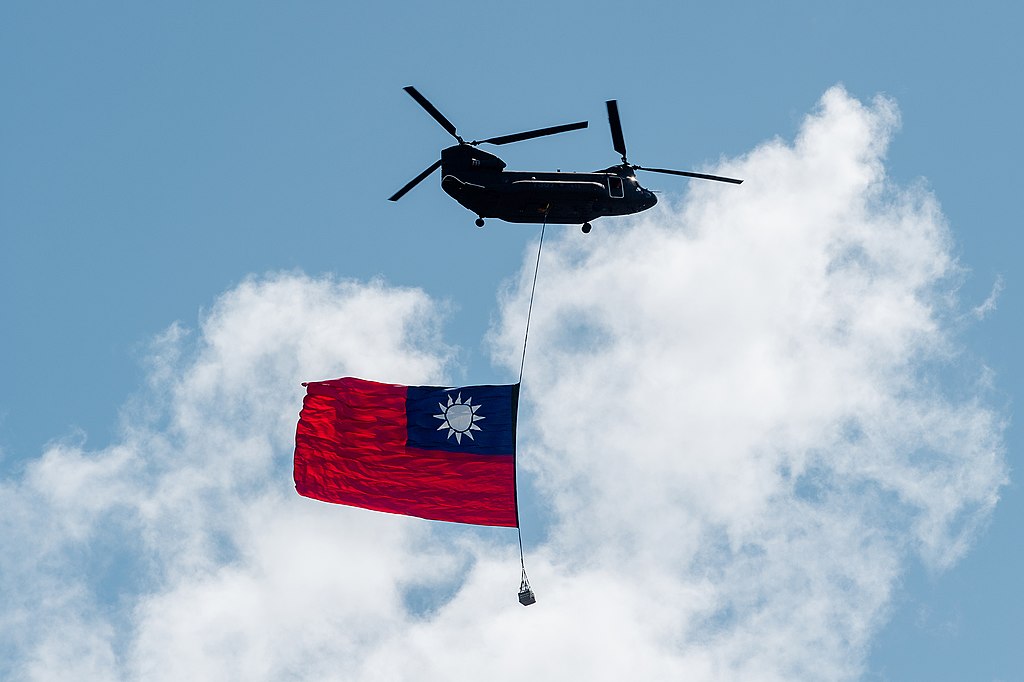
Foreign investors are increasingly viewing a potential Chinese invasion of Taiwan as a real, if remote, risk under Donald Trump’s presidency. While once unthinkable, tensions across the Taiwan Strait have intensified, leaving investors struggling to find hedging strategies for a worst-case scenario.
The island’s geopolitical sensitivity has been heightened by Trump’s aggressive trade policies and his ambiguous stance on U.S. defense commitments. Betting platform Polymarket now places the odds of a China-Taiwan conflict at 12%, up from near zero earlier this year. Meanwhile, foreign investors have withdrawn nearly $11 billion from Taiwan stocks in 2025, mostly due to trade and economic concerns.
For global fund managers, Taiwan’s significance largely revolves around Taiwan Semiconductor Manufacturing Co (TSMC), a linchpin of the global tech supply chain. TSMC, which supplies giants like Apple and Nvidia, has long buoyed investor confidence—underpinned by the belief that the U.S. would intervene militarily to protect the island and its vital chip industry.
However, geopolitical uncertainty has left investors with binary choices: remain exposed to extreme volatility or exit Taiwan markets to preserve capital. Goldman Sachs’ Cross-Strait Risk Index, based on media coverage, has surged since Trump’s election win, reflecting growing concerns.
Local analysts, however, caution against overestimating invasion risks. Li Fang-kuo of Uni-President suggests that tariff concerns, not war, are the primary driver of market sentiment. Still, asset managers like Mercer advocate for increased diversification and crisis stress-testing as the best available strategy.
Despite Taiwan’s long-standing tension with China, no direct conflict has erupted since 1949. Yet recent Chinese military drills and harsh rhetoric toward President Lai Ching-te have investors on edge. As regional uncertainty rises, global markets remain watchful for any escalation.







