


 Netanyahu Takes Aim at Mamdani as Israel Election Nears
  US, China Extend Trade Truce to Jan. 10 Ahead of Trump-Xi Summit
  North Korea Rejects Nuclear Test Warning, Calls Nuclear Status Irreversible
  North Korea Warns South Korea Over US-Led Defense Role
  Europe Warns Russia Is Escalating Hybrid Attacks Across NATO
  Sudan Rejects US Legitimacy Remarks, Defends Sovereignty
  Pezeshkian Says US Must Choose When Iran War Ends
  France Defends Netanyahu Airspace Clearance Despite ICC Warrant
  Ghana Says Western Support Growing for Slave Trade Reparations
  US Officials Split Over Response to Israeli West Bank Settlements
  Gaza Faces Evacuation Crisis as War-Damaged Buildings Risk Collapse
  Taiwan Thanks US for Support Ahead of Trump-Xi Summit
  Judge Orders Trump to Restore White House Access for CNN, MS NOW and Politico
  Trump Asks Supreme Court to Restore Third-Country Deportations
  Russian Envoy Dmitriev Heads to US for Ukraine Talks
  NATO Boosts Intelligence Sharing Amid Russia Hybrid Threats
  Trump, Xi Focus on Trade and AI at White House Summit


 Add as a preferred source on Google
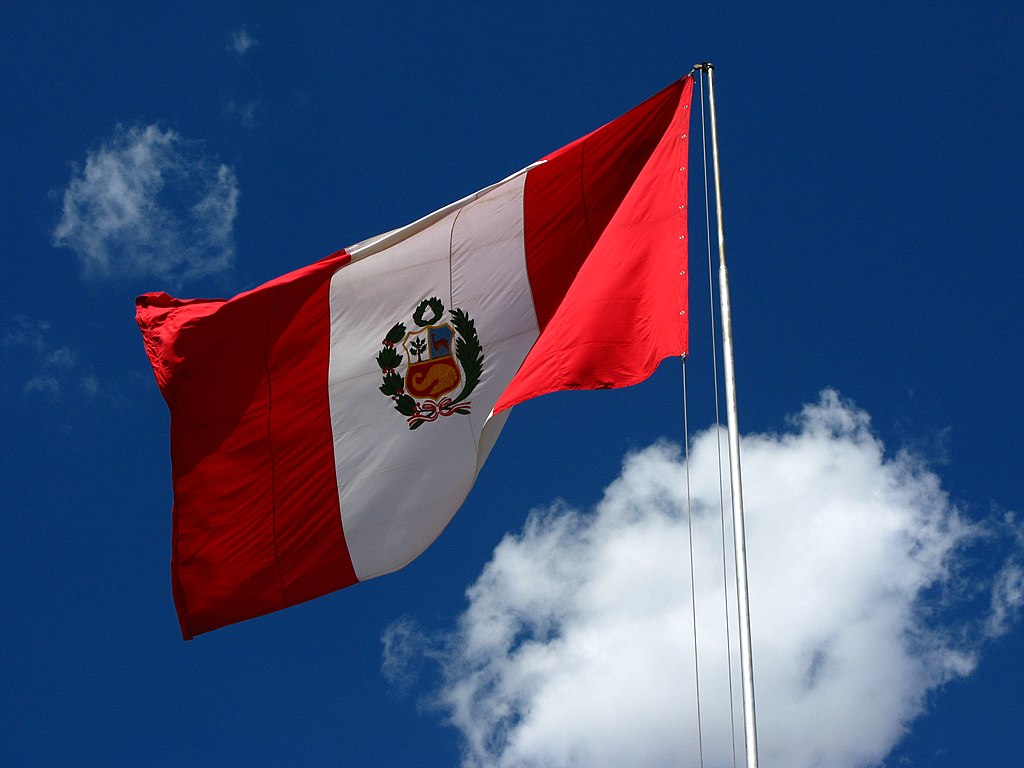
Peru’s political uncertainty intensified after Piero Corvetto, head of the country’s electoral authority, officially resigned following mounting pressure over delays in the April 12 general election results. The prolonged vote count has sparked widespread concern, raising questions about transparency and fueling allegations of electoral fraud from various political groups.
Corvetto announced his resignation through a public letter shared on X, stating that stepping down was “necessary and unavoidable” to restore public trust ahead of the presidential runoff scheduled for June 7. While he acknowledged logistical setbacks in the election process, he firmly denied any irregularities, emphasizing that the integrity of the vote remains intact. He also highlighted the need for an “impartial and exhaustive investigation” to address unresolved concerns and ensure credibility moving forward.
The delay in finalizing election results has drawn criticism from business leaders, lawmakers, and candidates, many of whom demanded leadership changes within Peru’s electoral system. Despite these claims, European Union election observers reported no evidence of fraud, reinforcing confidence in the legitimacy of the electoral process.
Authorities began reviewing thousands of contested ballots earlier this week, further slowing the official vote count. These ballots were challenged due to inconsistencies, missing data, or errors in tally sheets. As a result, the race for second place remains highly competitive, with no confirmed challenger yet to face conservative frontrunner Keiko Fujimori in the upcoming runoff.
With approximately 94% of votes counted, Fujimori leads with around 17% support. Meanwhile, left-wing congressman Roberto Sanchez and conservative candidate Rafael Lopez Aliaga are locked in a tight battle for second place, separated by a narrow margin of about 14,000 votes.
Peru’s National Jury of Elections (JNE) has accepted Corvetto’s resignation and confirmed that final election results are expected by May 15. As the country navigates this critical period, restoring voter confidence remains a top priority.







