


 Trump Unveils $3 Billion U.S. Critical Minerals Push
  Trump Demands Iran Pay Compensation Over Deaths and Injuries
  Bezalel Smotrich Faces Election Battle as Israel’s Far-Right Vote Fractures
  Iran-Oman Near Strait of Hormuz Deal as Shipping Tensions Persist
  Ukraine Agrees to Protect Kazakhstan Oil Exports via Black Sea
  New Zealand MMP Electoral System Faces Fresh Referendum Debate
  Colombia President Abelardo De La Espriella Pledges Drug Crackdown, Economic Reforms
  SEC Moves to Dismiss Insider Trading Case Against Trump-Pardoned Terren Peizer
  Houthi Attack on Yemen’s Mocha Port Kills Seven, Injures 30
  South Korea, US Set Major Military Drills for August
  Trump Media Says Truth API Draws 10+ Customers as Conflict Concerns Grow
  Houthi Attack on Yemen’s Mocha Port Kills 7, Injures 30
  Germany Warns of Daily Hybrid Warfare Threats
  Trump Administration Weighs Executive Order on Vaccines and Autism Research
  Russian Missile Attack on Kyiv Sparks Fires in City Centre


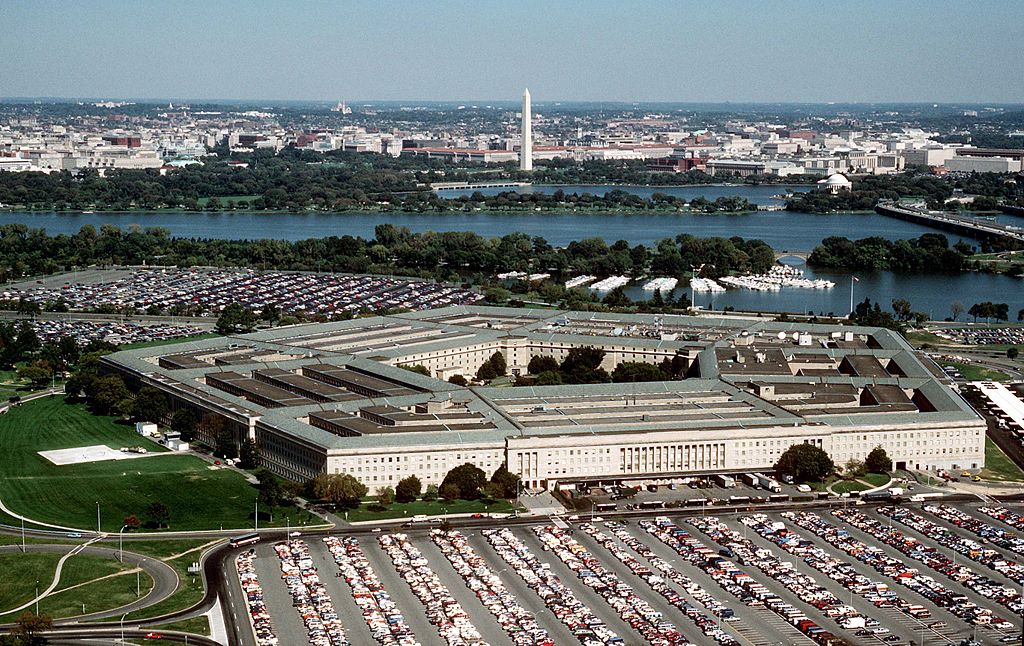
The Pentagon is pressing Japan and Australia to clarify their roles in a potential U.S.-China conflict over Taiwan, the Financial Times reported. Elbridge Colby, U.S. under-secretary of defense for policy, has reportedly raised the issue in recent talks with defense officials from both nations.
The push reportedly surprised Tokyo and Canberra, as Washington itself has no formal defense treaty with Taiwan and does not guarantee military intervention if Beijing attacks. However, the U.S. remains Taiwan’s key arms supplier and has increased defense cooperation with allies in the Indo-Pacific to counter growing Chinese military assertiveness.
China views Taiwan as a breakaway province and has ramped up military pressure, including repeated war games near the island. Taiwan rejects China's sovereignty claims and insists on its democratic autonomy. The rising threat has fueled broader regional security concerns, particularly as Beijing seeks to expand influence in the Asia-Pacific.
Colby, a prominent figure in President Trump’s Pentagon, is a leading advocate for shifting U.S. military priorities toward deterring China. In a recent post on X, he emphasized the need for allies to increase defense spending and support the U.S. mission of “peace through strength,” in line with the “America First” agenda.
The report highlights a strategic shift as the U.S. seeks greater commitment from regional partners in preparing for potential flashpoints like Taiwan. While neither Japan nor Australia has made public commitments, Washington’s message is clear: stronger allied cooperation is critical to maintaining deterrence and regional stability.
As U.S.-China tensions escalate, particularly over Taiwan’s future, America’s allies are being urged to step up and share responsibility in safeguarding Indo-Pacific security.







