


 US Northeast Airports Resume Operations After Telecom Outage Disrupts Thousands of Flights
  Nvidia-Groq AI Chip Deal Faces U.S. Antitrust Probe
  Colombia Extradites FARC Dissident Leader ‘Spider’ to US
  Abbas Reaffirms November 28 Palestinian Elections
  Judge Orders Trump to Restore White House Access for CNN, MS NOW and Politico
  FDA Approves Mirum’s Atebrioz for Rare Bone Disorder FOP
  Yemen Violence Displaces 130,000 as Civilian Toll Rises
  Appeals Court Rejects Trump Third-Country Deportation Policy
  Pope Leo Backs Press Freedom After White House Media Ban
  Trump Warns China Against Supporting Iran in Xi Talks
  North Korea Warns South Korea Over US-Led Defense Role
  NATO Boosts Intelligence Sharing Amid Russia Hybrid Threats
  Putin Says Ukraine Peace Proposals Remain on Table
  What ‘Taiwan Independence’ Means as Xi Presses Trump on US Policy
  US Immigration Arrests Surge as Deportations Lag Behind
  US Judge Dismisses Imran Ahmed Deportation Lawsuit
  Trump Bans CNN, MS NOW and Politico From White House


 Add as a preferred source on Google
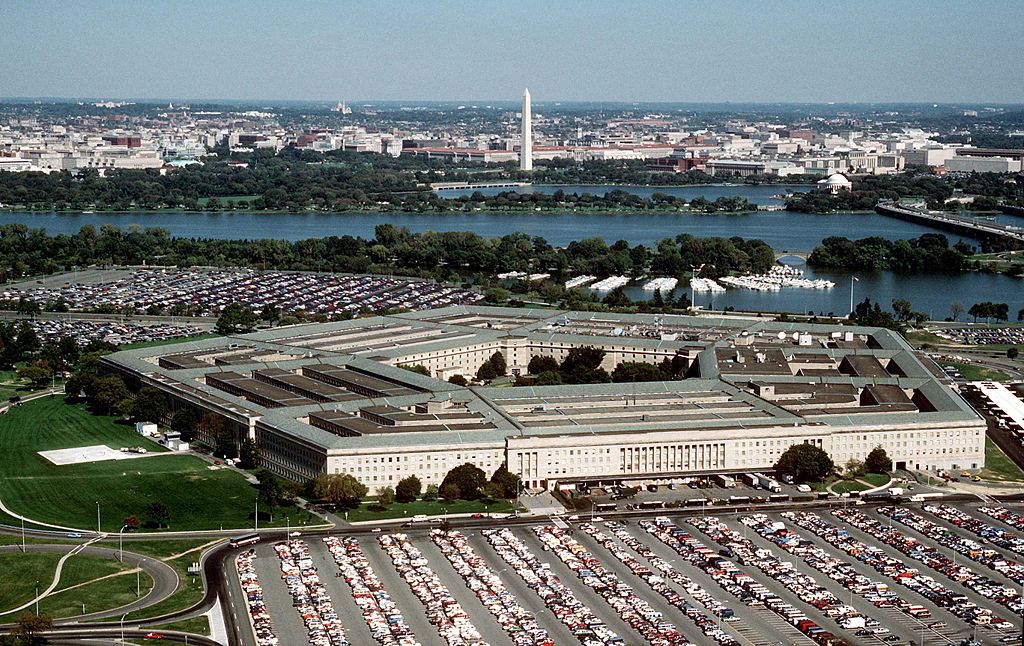
The Pentagon Press Association (PPA) has condemned the U.S. Department of Defense’s new press access policy, warning it could severely limit journalists’ ability to cover military affairs. The policy, which may take effect as early as next week, has drawn criticism from major media outlets including Reuters, The New York Times, ABC News, and Fox News.
According to the PPA, the new policy “conveys an unprecedented message of intimidation,” suggesting that unapproved communication with reporters could be considered criminal. The association said such language threatens press freedom and could deter defense officials from speaking with the media, even when sharing unclassified information.
While the Pentagon revised parts of the policy following media negotiations, key restrictions remain. Reporters are no longer required to initial certain policies but must still affirm that they “understand” them — a change the PPA says could unlawfully restrict newsgathering and expose journalists to prosecution.
The updated rules also mandate relocating all media offices from their current Pentagon spaces, which the PPA argues will isolate reporters and hinder interactions with authorized spokespeople. The policy requires any information shared by defense personnel to be pre-approved by an “appropriate authorizing official,” even if it is not classified.
Pentagon spokesperson Sean Parnell defended the changes, saying they were designed to protect national security and prevent the solicitation of illegal disclosures. He claimed the PPA’s objections stem from opposition to new limits on press engagement.
The move follows a series of actions under Defense Secretary Pete Hegseth, a former Fox News host, and aligns with former President Donald Trump’s broader campaign against the media, including several multimillion-dollar lawsuits against major news outlets.
Press freedom advocates, including the Reporters Committee for Freedom of the Press, maintain that the new policy remains overly restrictive and poses “a significant impediment” to independent reporting.







