


 Trump-Xi Summit Puts Trade Truce and Taiwan in Focus
  Saudi Arabia Shuts East-West Oil Pipeline After Drone Attack
  Zelenskiy Meets CIA Chief John Ratcliffe at Ireland’s Shannon Airport
  Trump Plans Military Complex Inside Washington Triumphal Arch
  Appeals Court Rejects Trump Third-Country Deportation Policy
  US Bans Canadian Alcohol, Motorcycles as Trade War Escalates
  Australia Defends Social Media Algorithm Law Amid US Concerns
  Canada Unveils Bill to Fast-Track Major Resource Projects
  US Judge Dismisses Imran Ahmed Deportation Lawsuit
  ICE Agent Arrested in Minneapolis Over Venezuelan Man Shooting
  Macron, Trump Discuss Ukraine-Russia Energy Strike Moratorium
  SEC Seeks ISS Client Voting Records in Proxy Adviser Probe
  Who should own the knowledge that underpins AI technology?
  Trump Scales Back Endangered Species Act Protections
  FDA Names Permanent Drug and Biologics Center Chiefs
  Trump, Iran Trade Threats as Middle East Tensions Escalate
  Synthetic data could ease people’s concerns about privacy breaches. But who gets to create it?


 Add as a preferred source on Google
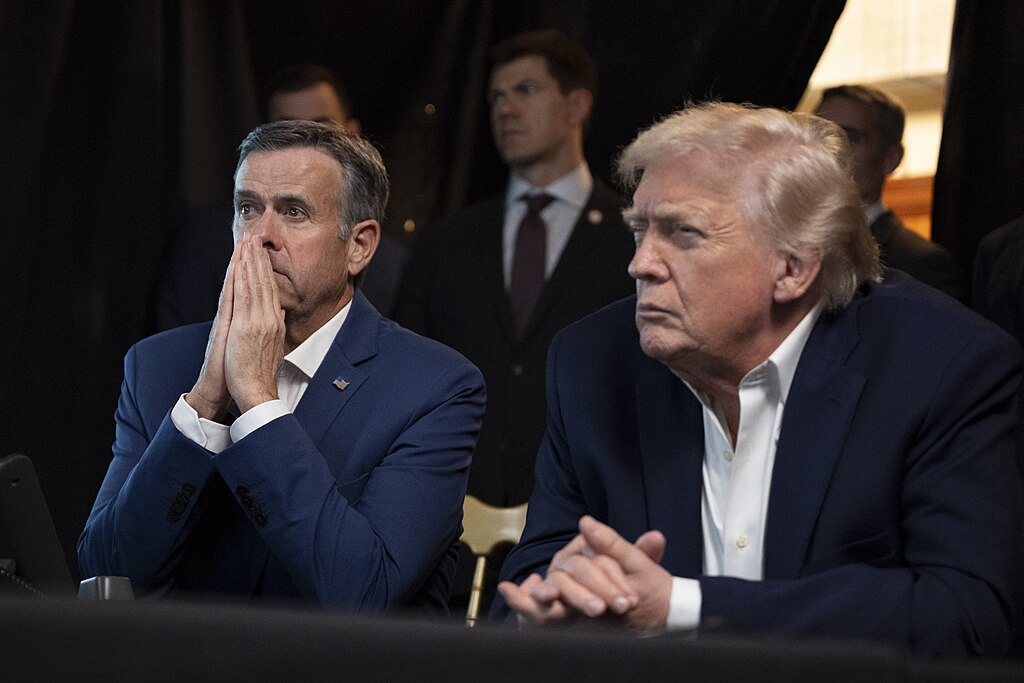
U.S. President Donald Trump said on Saturday that he has instructed the Department of Homeland Security (DHS) to stay out of protests in Democratic-led cities unless local leaders request federal assistance or federal property is at risk. The directive comes amid escalating protests and unrest tied to the Trump administration’s aggressive immigration enforcement actions, particularly in Minnesota.
The announcement follows weeks of demonstrations sparked by the deployment of thousands of U.S. Immigration and Customs Enforcement (ICE) and Border Patrol agents to the Minneapolis area. Tensions intensified after two U.S. citizens, Renee Good and Alex Pretti, were fatally shot by federal agents. Authorities claimed the agents acted in self-defense, but bystander videos circulating online have raised serious questions. Footage of Pretti’s death, verified by Reuters, appears to contradict claims that he brandished a weapon before being shot.
Protests have grown as activists and community members in Minneapolis and other cities attempt to closely monitor immigration raids and federal law enforcement activity. Thousands took to the streets on Friday demanding the withdrawal of ICE and Border Patrol from Minnesota, arguing that the federal presence has increased violence and fear rather than improving public safety.
While Trump’s order suggests DHS should avoid direct confrontations with protesters during street demonstrations or raids, the president emphasized that federal officers will continue to act forcefully to defend federal buildings and courthouses. In a social media post, Trump said the administration would not allow any damage to federal property “in any way, shape, or form.”
Trump also placed responsibility on state and local governments to protect their own facilities, while urging them to assist in safeguarding federal assets. He said the federal government would intervene only if requested, promising any response would be handled “easily and methodically.”
The Trump administration has previously deployed federal law enforcement and National Guard units to cities such as Los Angeles, Chicago, Washington, D.C., and Portland, arguing the moves are necessary to enforce immigration laws and curb crime. Local leaders in many of those cities, including Minnesota officials, have strongly disputed that claim.
On Saturday, a federal judge denied a request from Minnesota Attorney General Keith Ellison and other officials to temporarily halt the federal immigration operation, allowing the crackdown to continue despite mounting opposition.







