


 Netanyahu’s Brief US Trip Highlights Strains With Trump
  Evan Gershkovich Says FSB Set Trap for 2023 Russia Arrest
  Saudi Arabia, Turkey and Pakistan Plan Urgent Defence Talks Over Houthi Attacks
  Trump, Xi Visit US National Archives After White House Summit
  Pezeshkian Says US Must Choose When Iran War Ends
  EU Agrees €6.6 Billion Military Aid Funding for Ukraine
  Abbas Reaffirms November 28 Palestinian Elections
  Trump, Xi Focus on Trade and AI at White House Summit
  Putin Says Ukraine Peace Proposals Remain on Table
  Saudi Arabia Seeks Military Support as Houthi Attacks Escalate
  US Comfortable With Canada Trade Standoff as Import Bans Loom
  Ukrainian Drone Attacks Hit Russian Regions, Injuring at Least 12
  Najib Razak Seeks Stay of 15-Year 1MDB Prison Sentence
  US Senate Rejects Iran War Powers Resolution in 50-49 Vote
  Iran Rejects Nuclear Concessions in Hormuz Deal
  Trump Warns China Against Supporting Iran in Xi Talks
  Netanyahu Defends Israel at UN as Delegates Stage Walkout


 Add as a preferred source on Google
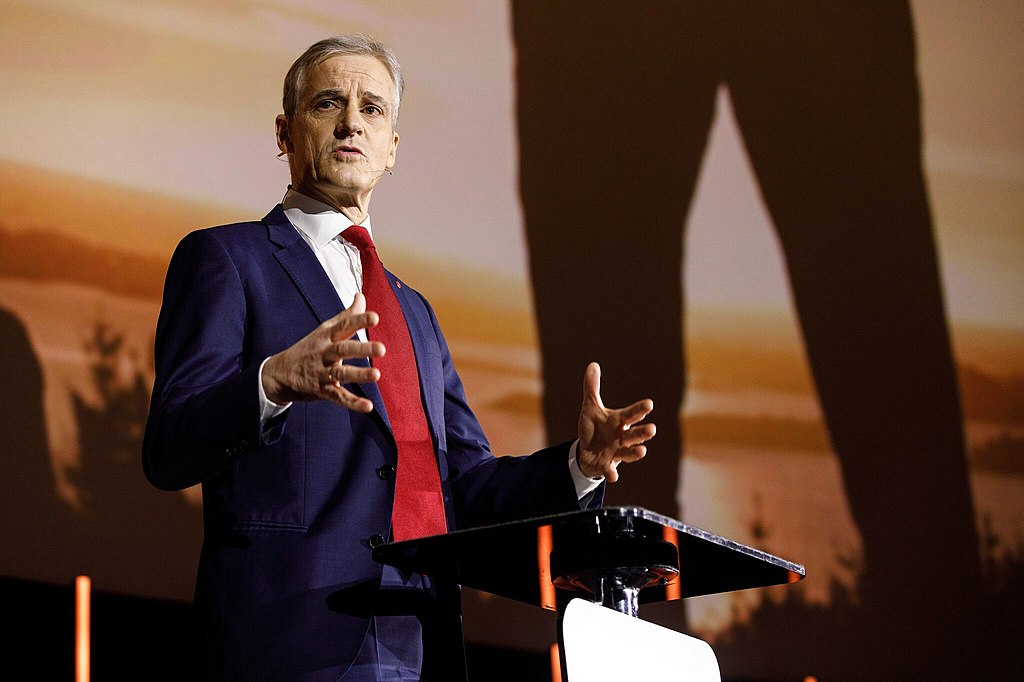
Norway heads to the polls on Monday in a parliamentary election shaped by rising living costs, global conflicts, and debates over the nation’s vast oil wealth. Prime Minister Jonas Gahr Stoere’s Labour Party, leading a centre-left bloc, is slightly favoured to remain in power, though polls show a tight race.
Recent surveys suggest Labour and four smaller allies could secure 88 seats, just above the 85 needed for a majority, though down from 100 in 2021. The opposition—led by the Conservatives and the right-wing Progress Party—appears set for 81 seats, leaving the outcome within the margin of error.
Key campaign issues include inflation, taxes, and the quality of public services. The result could significantly influence Norway’s oil and gas policies, its role in European energy supply, and the management of its $2 trillion sovereign wealth fund. International challenges such as the wars in Ukraine and Gaza, and Donald Trump’s political comeback, also weigh heavily on voters’ minds.
Analysts say Labour benefits from Stoere’s reputation as a steady leader in turbulent times. Labour is polling around 27%, keeping it the largest single party. Meanwhile, the Progress Party, led by Sylvi Listhaug, has surged to about 21% with a strong anti-immigration stance, overtaking the Conservatives at 14%. However, disagreements between Listhaug and Conservative leader Erna Solberg on who should be prime minister could divide right-wing voters.
If Labour prevails, Stoere may need support from both the Greens and Communists, who could push for stricter limits on oil exploration, higher taxes for the wealthy, and increased use of the wealth fund. With at least nine parties expected to enter parliament, coalition building will be decisive in shaping Norway’s political and economic direction.







