


 China Tightens Fentanyl Rules Ahead of Trump-Xi Summit
  Taiwan Vows to Advance US Arms Sales Ahead of Trump-Xi Meeting
  Kremlin Says No Decision Yet on Putin-Trump December Summit
  Russian Envoy Dmitriev Heads to US for Ukraine Talks
  US Officials Split Over Response to Israeli West Bank Settlements
  Russian Missile and Drone Attack on Kyiv Kills Two, Damages Maternity Hospital
  Trump Board of Peace Unveils $2.45 Billion Gaza Recovery Plan
  Trump to Press Xi on Release of US Nuclear Expert Held in China
  Netanyahu Takes Aim at Mamdani as Israel Election Nears
  Sudan Rejects US Legitimacy Remarks, Defends Sovereignty
  Macron Challenges Trump’s Gaza Peace Claims at UN
  Trump Administration Plans Faster FDA Reviews for Smoke-Free Nicotine Products
  US, China Extend Trade Truce to Jan. 10 Ahead of Trump-Xi Summit
  Ghana Says Western Support Growing for Slave Trade Reparations
  Europe Warns Russia Is Escalating Hybrid Attacks Across NATO
  Marco Rubio to Meet Russia’s Lavrov in New York
  Iran Vows ‘Crushing’ Response as US Talks Continue


 Add as a preferred source on Google
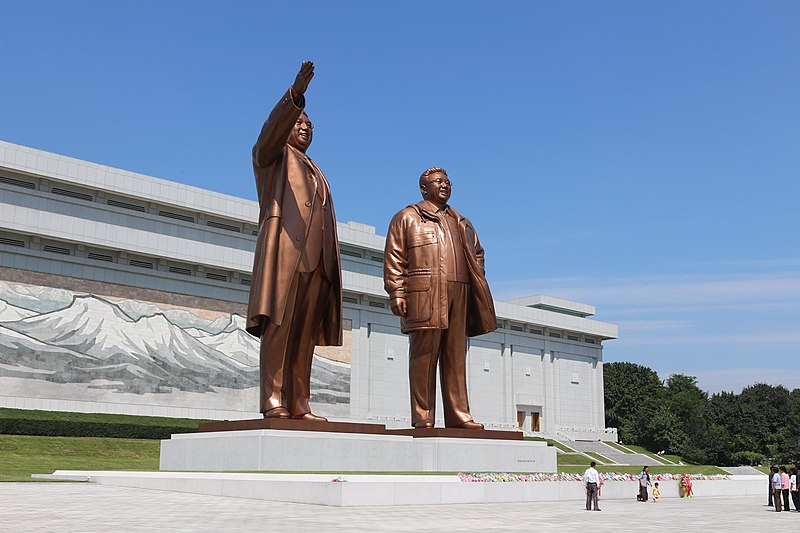
Countries and international organizations have offered to assist North Korea as it deals with an outbreak of COVID-19 since it was first reported a few weeks ago. Despite offers to assist in combating the coronavirus, Pyongyang appears to continue rejecting help from organizations and other countries, including South Korea.
South Korean officials said that Pyongyang did not respond to their offers to aid the nation in its outbreak of COVID-19, as well as the offers from Washington. The World Health Organization has also said that Pyongyang did not respond to their request for information even as the organization expressed concerns about the risk of the further spread of the virus in the isolated nation.
While there are no responses from Pyongyang, there appear to be signs that North Korea is instead turning to its allies Russia and China for help, but this has yet to be confirmed.
North Korea became one of the first countries to close off its borders in January of 2020 upon news of the COVID-19 outbreak. Pyongyang has also repeatedly refused offers of COVID-19 vaccines from the international community, including the UN–led COVAX.
The number of people in North Korea who are reportedly having symptoms of “fever” went past 2.2 million cases. It has yet to be seen how many of those have tested positive for COVID-19. To note, North Korea is notorious for concealing internal crises from the international community.
Former UK ambassador to North Korea Alastair Morgan told Al Jazeera that Pyongyang’s refusal to accept help from the international community may be out of fears that they could be seen as being beholden to other countries.
Aside from the pandemic, North Korea’s continuous weapons tests have caused tensions to flare up in the Korean peninsula. Over the weekend, South Korean President Yoon Suk-yeol and US President Joe Biden announced an agreement to expand the scope and the scale of their annual joint military exercises.
The two leaders announced the agreement in a joint statement, also detailing other measures such as a pledge to deploy strategic US assets like fighter jets, bombs, and missiles to South Korea.







