


 Kremlin Says No Decision Yet on Putin-Trump December Summit
  What ‘Taiwan Independence’ Means as Xi Presses Trump on US Policy
  Russian Missile and Drone Attack on Kyiv Kills Two, Damages Maternity Hospital
  Trump, Xi Focus on Trade and AI at White House Summit
  North Korea Rejects Nuclear Test Warning, Calls Nuclear Status Irreversible
  Trump Asks Supreme Court to Restore Third-Country Deportations
  Mexico-US Trade Talks Delayed to October as Tariff Negotiations Continue
  Pezeshkian Says US Must Choose When Iran War Ends
  South Korea, US Discuss Warship Building Cooperation
  Ghana Says Western Support Growing for Slave Trade Reparations
  Netanyahu Takes Aim at Mamdani as Israel Election Nears
  Trump, Xi Visit US National Archives After White House Summit
  Judge Orders Trump to Restore White House Access for CNN, MS NOW and Politico
  US Senate Rejects Iran War Powers Resolution in 50-49 Vote
  US Backs Musk in Fight Against EU’s €120 Million X Fine
  Netanyahu Defends Israel at UN as Delegates Stage Walkout
  Netanyahu’s Brief US Trip Highlights Strains With Trump


 Add as a preferred source on Google
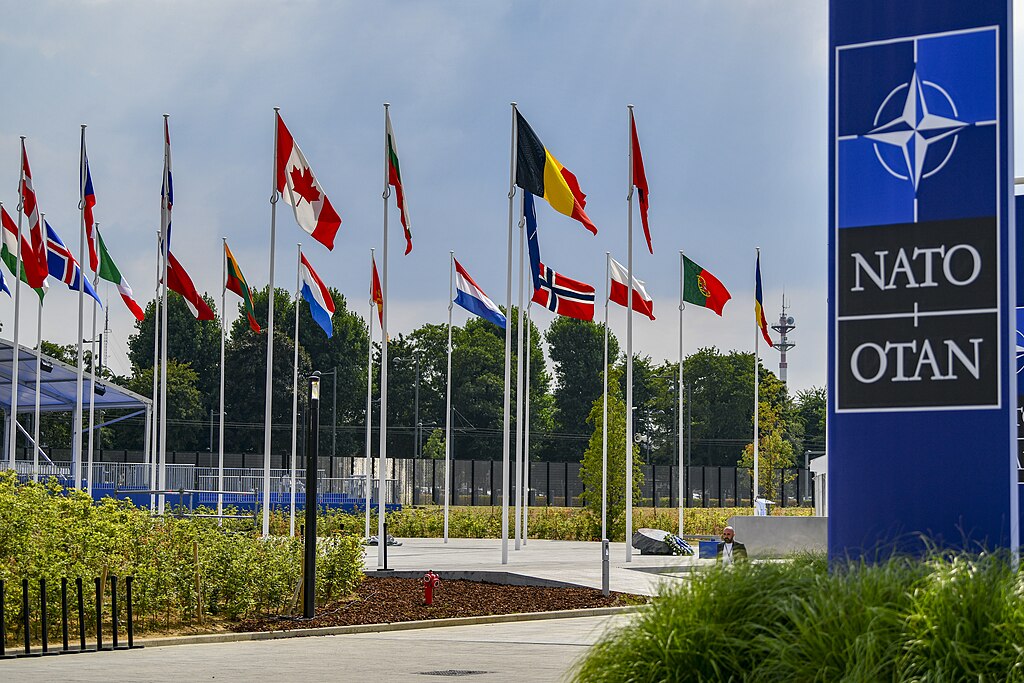
The United States has offered Ukraine NATO-style security guarantees as negotiations involving U.S., European, and Ukrainian officials showed signs of progress toward ending Russia’s war in Ukraine. Talks held in Berlin between envoys of U.S. President Donald Trump and Ukrainian President Volodymyr Zelenskiy marked a notable shift in Washington’s stance, though disagreements over territorial concessions continue to block a final deal.
According to U.S. officials, the proposed guarantees would resemble Article 5 of the NATO treaty, which obliges allies to defend any member under attack. While the offer is unprecedented for Ukraine, American negotiators warned it would not remain available indefinitely. European leaders cautiously welcomed the development, viewing it as a potentially meaningful step toward a ceasefire in Europe’s deadliest conflict since World War Two.
Trump said the United States is closer than ever to securing an agreement, citing multiple conversations with Russian President Vladimir Putin. European officials echoed guarded optimism, with German Chancellor Friedrich Merz suggesting a ceasefire is now conceivable, while Polish Prime Minister Donald Tusk said U.S. commitments to Ukraine’s security sounded more credible than before.
Despite the progress, major obstacles remain. Territorial concessions are the most sensitive issue, particularly pressure from Washington for Ukraine to withdraw from parts of the eastern Donetsk region. Zelenskiy reiterated that Ukraine will not recognize Russian control over Donbas, either legally or in practice, calling territorial concessions “painful” but unacceptable. Ukraine has consistently said it will not cede territory seized by Russia since the 2022 invasion.
Zelenskiy also warned that if Moscow rejects the proposals, he would urge the U.S. to impose tougher sanctions and supply Ukraine with additional weapons, including long-range systems. Kyiv supports a potential ceasefire, especially regarding strikes on energy infrastructure during the Christmas period.
U.S. officials said agreement has been reached on roughly 90% of the issues, with several proposed solutions aimed at bridging remaining gaps. However, European sources noted that Russia has yet to shift its position on territorial demands. Moscow has emphasized that preventing Ukraine from joining NATO remains a core requirement in any peace settlement.
While the Berlin talks boosted hopes for progress, the path to a lasting ceasefire remains uncertain, with security guarantees, territorial disputes, and Russia’s willingness to compromise still unresolved.







