


 Nvidia CEO Jensen Huang Expected at Trump-Xi State Dinner
  What is Zionism? The different meanings of a contested term
  Kim Jong Un Pledges Deeper Russia Cooperation
  Ukraine Tests New Anti-Drone Weapon After Successful Shahed Intercept
  Banking scandal rocks Brazil’s politics and the country’s presidential election in October
  Saudi Arabia Raises Security Alerts as Houthi Attacks Threaten Oil Routes
  Judge Blocks Trump Rule Limiting Foreign Student Visas
  U.S. Imposes New Visa Restrictions Over South Africa Policies
  Global Poll Shows Rising Trust in Institutions as US-China Leadership Support Falls
  Mahmoud Khalil Sues Columbia Over Alleged Pro-Palestinian Harassment
  Takaichi-Backed Koja Wins Okinawa Governor Race
  Trump Open to Chinese Automakers Building Cars in US
  Trump Rejects Calls for Tougher AI Regulation
  Ovechkin Faces Scrutiny Over United Russia Campaign Video
  Guterres Urges Stronger Global AI Safeguards Ahead of UN Assembly
  Houthis Escalate Saudi Attacks as Red Sea Oil Risks Grow
  Europe can’t achieve space sovereignty alone. Here’s why


 Add as a preferred source on Google
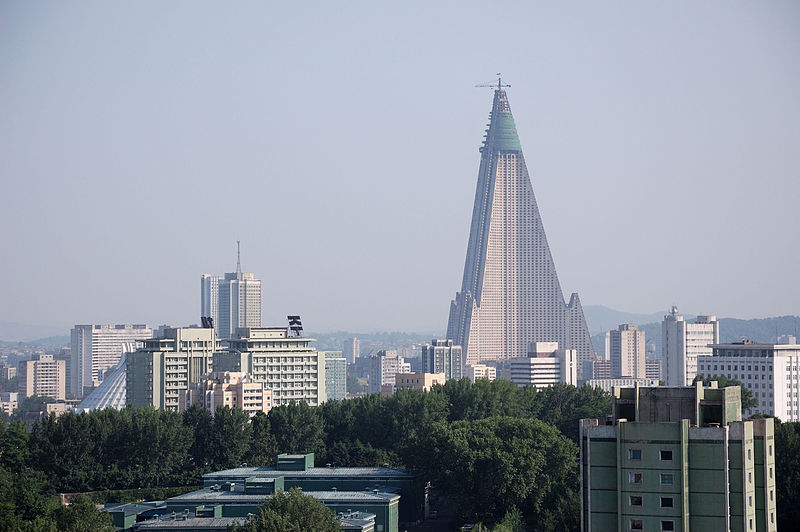
The North Korean rubber-stamp parliament has set plans to meet its economic goals and normalize its industrial production following the “upheaval” from the COVID-19 pandemic. The legislature’s plans aim to boost production in all key industrial sectors of the country this year.
North Korean state media outlet KCNA reported on Thursday that the isolated nation’s rubber-stamp parliament held a two-day meeting beginning Tuesday to discuss the government budget, economic policy, and personnel changes. Kim Tok-hun, the cabinet premier, was present during the meeting and reviewed the work done in 2022 and set tasks for key industries for this year.
Kim said the country was able to tackle what he described as the “worst-ever upheaval” since the founding of North Korea during the COVID-19 outbreak, even as there were “shortcomings” in implementing the plans that were set last year. Kim said the cabinet is looking to fast-track the production of overall sectors to make this year “a year of great turn and change in the course of development” for the country that is set to commemorate the 75th anniversary of its founding.
“It will make sure the economic indices and 12 major goals to be attained by all sectors of the national economy are carried without fail,” said Kim, according to KCNA.
Kim also called for normalizing production in metal factories, reinforcing iron mines and steel plants, and for all chemical plants that are currently operating to be “at full capacity” to fast-track construction projects. Kim said North Korea would also take steps to supply the needed equipment, materials, and funds to boost the production of coal.
On Friday, trade data by China’s General Administration of Customs showed that exports to North Korea increased by 245.7 percent year-on-year to $894 million in 2022, more than triple compared to 2021. The increase comes as freight trains to and from China and North Korea resumed following a suspension of operations due to the pandemic.
The top exports were soybean oil, rubber tires, granulated sugar, tobacco, and medicines. North Korea previously stockpiled supplies of medical goods from China, including masks and ventilators, early in 2022.







