


 Judge Blocks Trump Rule Limiting Foreign Student Visas
  South Korea’s Cho Hyun to Meet Rubio in Washington
  Trump Rejects Calls for Tougher AI Regulation
  Trump Open to Chinese Automakers Building Cars in US
  Banking scandal rocks Brazil’s politics and the country’s presidential election in October
  US Confirms Weapons in Orbit as Space Tensions Rise
  Vietnam, U.S. Firms Plan 29 Deals Across Energy, Tech and Aviation
  Ukraine Tests New Anti-Drone Weapon After Successful Shahed Intercept
  Houthis Escalate Saudi Attacks as Red Sea Oil Risks Grow
  U.S. Imposes New Visa Restrictions Over South Africa Policies
  Saudi Arabia Raises Security Alerts as Houthi Attacks Threaten Oil Routes
  Ovechkin Faces Scrutiny Over United Russia Campaign Video
  Houthi Red Sea Gains Strengthen Iran’s Leverage Over Gulf States
  Bill Gates Warns Governments Are Unprepared for AI Disruption
  Philippines Holds Historic Bangsamoro Election Amid Tight Security
  Lula, Flavio Bolsonaro Deadlocked in Brazil Election Polls
  Trump Touts $5,000 Checks if Republicans Win Congress


 Add as a preferred source on Google
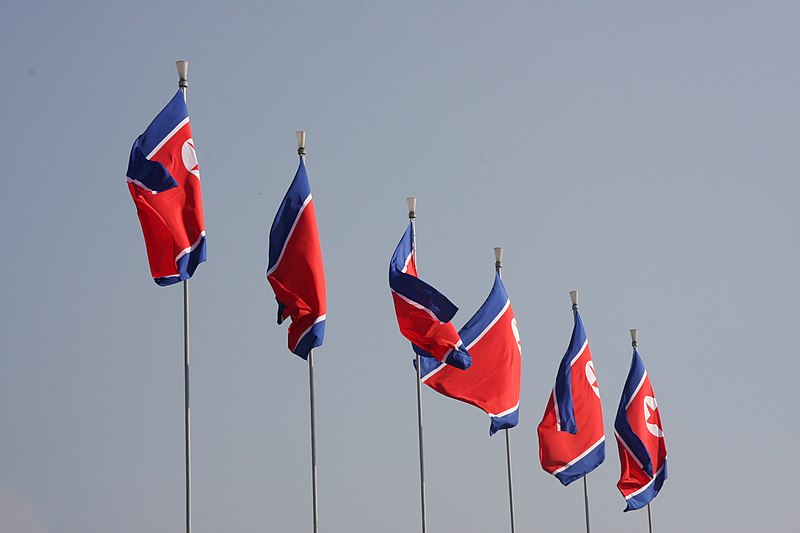
South Korean lawmakers said North Korean leader Kim Jong-un has dismissed his former foreign minister this week. The former top diplomat in Pyongyang played a major role in North Korea’s summits with the United States in 2018-2019.
On Thursday, South Korean lawmakers said Kim has dismissed his former foreign minister Ri Yong-ho, citing intelligence officials. Ri played a major role in the failed denuclearization summits between Pyongyang and Washington under President Donald Trump from 2018 to 2019. Ri has stayed out of the public eye since the failed talks in Vietnam in 2019.
Yoo Sang-bum, a member of the South Korean parliamentary intelligence committee, said the National Intelligence Service told lawmakers that Ri was purged. However, contrary to the report by Japan’s Yomiuri Shimbun on Wednesday, it was not clear if Ri was executed last year.
There have been reports of the executions of several officials involved in the failed summit. However, some reappeared in state media after some time.
“They confirmed Ri’s purge but not his execution,” Yoo told reporters after the briefing. Yoo added that the intelligence agency did not explain the reason for Pyongyang’s purging of Ri, and lawmakers could not confirm the report by Yomiuri that also said other diplomats at the North Korean Embassy in the United Kingdom were also executed.
Yoo also said that the intelligence agency linked the dismissal of Kim’s number two military official, Pak Jong-chon, to inadequate readiness during military and a lack of leadership.
“Kim has replaced the military leadership altogether and that’s ultimately aimed at tightening his grip over the military,” said Yoo.
Meanwhile, the South Korean military said a North Korean drone briefly breached the no-fly zone that surrounds the presidential office when it made an incursion in South Korean airspace last week. The drone was one of the five North Korean drones that breached South Korean airspace, prompting South Korea to scramble jets and fire warning shots.
The military later faced criticism for failing to shoot down the drones that were flying over South Korea for hours. A spokesperson for the Joint Chiefs of Staff said there was a change in its initial analysis that a drone did not enter the no-fly zone close to the presidential office following an inspection of the military’s readiness posture during the incursion.







