


 Ghana Says Western Support Growing for Slave Trade Reparations
  Taiwan Thanks US for Support Ahead of Trump-Xi Summit
  US, China Extend Trade Truce to Jan. 10 Ahead of Trump-Xi Summit
  Gaza Faces Evacuation Crisis as War-Damaged Buildings Risk Collapse
  Trump to Press Xi on Release of US Nuclear Expert Held in China
  US Invites Putin to Miami G20, Opening Door to Trump Summit
  Marco Rubio to Meet Russia’s Lavrov in New York
  Trump Meets Venezuela’s Delcy Rodriguez at UN Assembly
  Venezuela Promises Elections as Delcy Rodriguez Pledges Democratic Transition
  Taiwan Vows to Advance US Arms Sales Ahead of Trump-Xi Meeting
  Mexico-US Trade Talks Delayed to October as Tariff Negotiations Continue
  Netanyahu Takes Aim at Mamdani as Israel Election Nears
  Kremlin Says No Grounds Yet for Ukraine Peace Talks
  Trump Board of Peace Unveils $2.45 Billion Gaza Recovery Plan
  Trump Administration Plans Faster FDA Reviews for Smoke-Free Nicotine Products
  Lula and Flavio Bolsonaro Tied in Brazil Runoff Poll
  US Officials Split Over Response to Israeli West Bank Settlements


 Add as a preferred source on Google
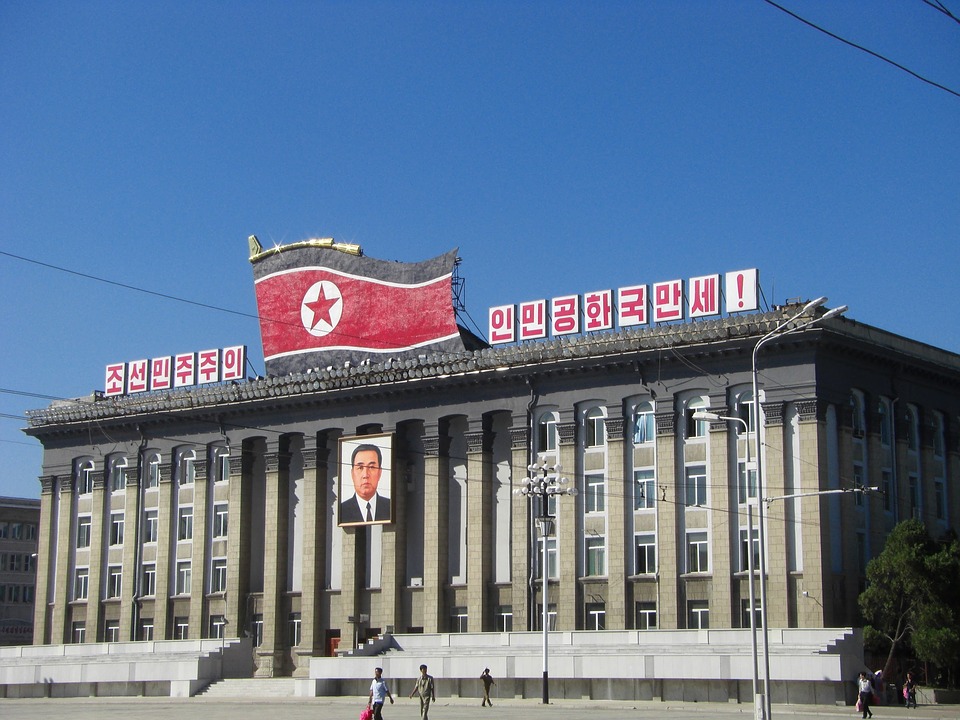
Pyongyang has taken efforts to diminish its fears of its citizens getting influenced by South Korean culture. North Korea further continues its crackdown on South Korean influence in the isolated nation, by forcing women to call their lovers by a different term of endearment.
There is an ongoing campaign by North Korea to rid the nation of its southern counterpart’s influence on culture, having already banned fashion, music, and hairstyles from South Korea on its citizens. South Korean slang has also been added to what is supposedly forbidden now in North Korea. Last June, South Korean politician Ha Tae Keung reported that intelligence reports have now revealed that North Korean women are no longer allowed to call their lovers “oppa” but rather “male comrades.”
To note, “oppa” is commonly used by women to call their romantic partners in South Korea as well as a term to call a man who is older than the woman.
This comes as North Korean outlet Roding Sinmun published a piece denouncing any South Korean influence on its citizens. The piece said that the state’s thought and spirit are reflected in clothing, hairstyles, and language. The piece said that North Korean youth must stick to the language used in Pyongyang that is deemed “superior.”
The editorial went on to further say that losing the culture war would bring consequences that are more serious compared to the conflict in war. Kim Jong Un’s regime has since resorted to stricter penalties on North Koreans who are caught consuming South Korean culture. The death penalty is included in the possible punishment.
Previously, North Korea’s foreign ministry published a rebuke of US humanitarian aid on an official website. Senior researcher Kang Hyon Cheol, who is from the ministry-affiliated Promotion of International Economic and Technological Exchange, cited that humanitarian aid has a direct correlation to the foreign policy goals of the US or its pressure on human rights issues.
“This vividly reveals that the American ulterior intention of linking ‘humanitarian assistance’ with ‘human rights issue’ is to legitimize their pressure on the sovereign states and achieve their sinister political scheme,” wrote Kang. Kang also cited the recent withdrawal of US troops from Afghanistan as an example.







